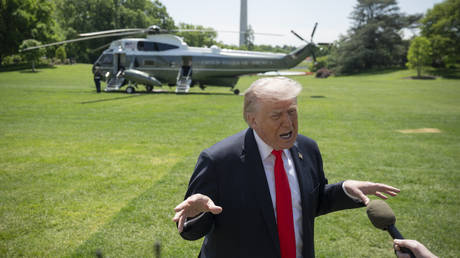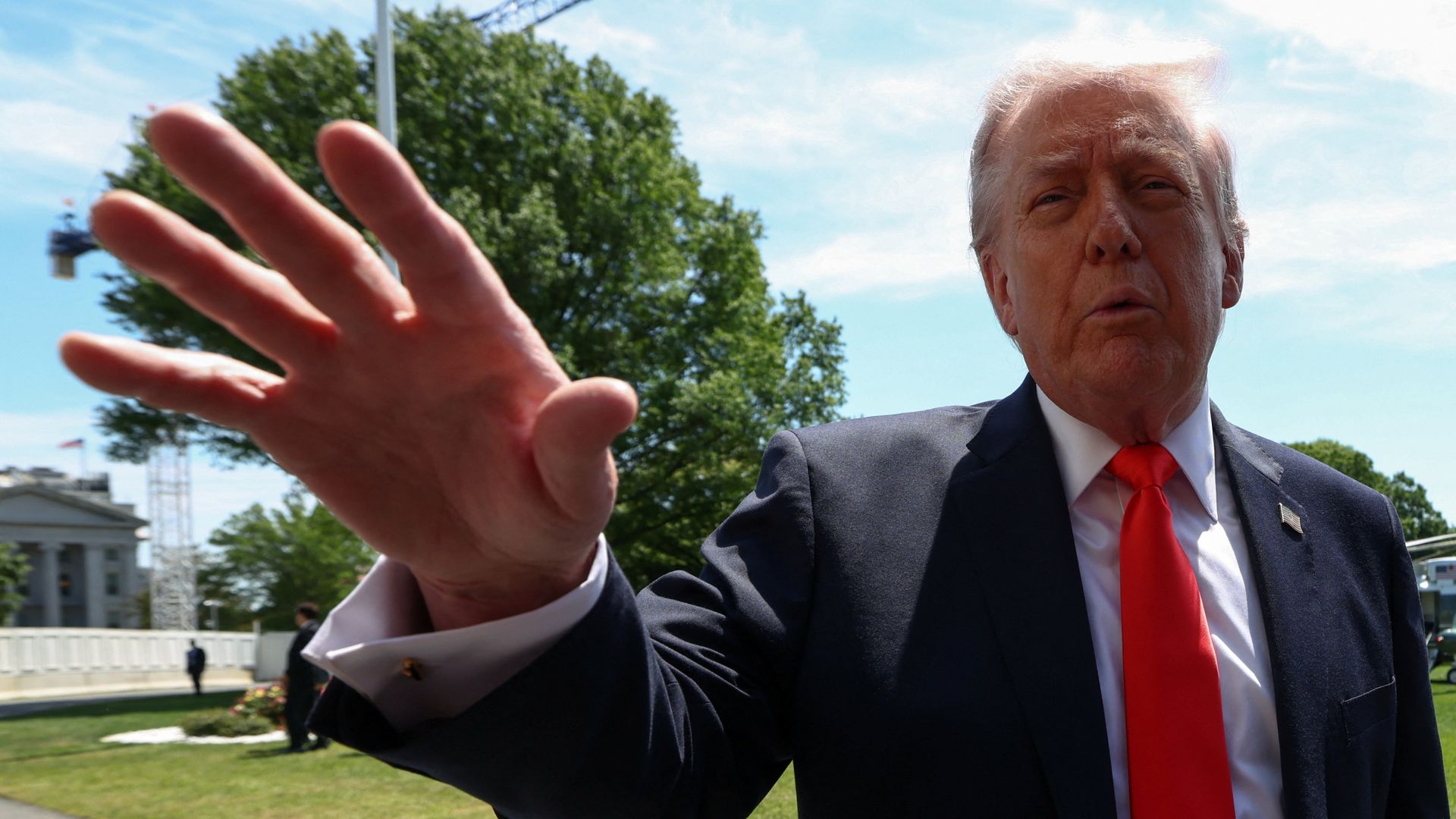
The fragile peace in transatlantic trade has finally shattered. On May 1, 2026, President Donald Trump used his Truth Social platform to signal a 25% tariff on European cars and trucks, effective immediately. This move effectively torches the Turnberry deal signed in July 2025, which had capped most duties at 15%. Brussels is no longer just "deeply concerned." The European Commission is now dusting off its "trade bazooka"—the anti-coercion instrument designed specifically to fire back when negotiations fail.
The immediate fallout is a logistics nightmare. For months, importers have been playing a high-stakes timing game, rushing shipments to beat the June escalation deadline. Now that the timeline has been moved up, billions of euros in German machinery, French luxury goods, and Italian automotive parts are caught in a pricing vacuum. You might also find this related article useful: The Strategic Petroleum Reserve Is No Longer Strategic and Washington Is Pretending Not to Notice.
The Turnberry Collapse
The 2025 Turnberry agreement was always a house of cards. It relied on a "gentleman’s agreement" between Ursula von der Leyen and Donald Trump to keep the peace while the European Parliament dragged its feet on ratification. That delay proved fatal. By the time the Parliament approved the deal in March 2026, they had larded it with sunset clauses and "sunrise" conditions that Washington viewed as a provocation rather than a partnership.
The White House sees the EU's hesitation as a breach of faith. From the American perspective, the €198 billion trade deficit in goods is not a statistical quirk; it is a structural failure of reciprocity. The EU’s insistence on protecting its agricultural sector while demanding low tariffs for its cars has exhausted the patience of an administration that views trade as a zero-sum battle. As highlighted in detailed coverage by Bloomberg, the results are notable.
Why the Automotive Sector is the Primary Target
Cars are the heart of the European economy, particularly for Germany. A 25% tariff is not just a tax; it is a market-exit event for many mid-range models. While luxury giants like BMW and Porsche have already begun implemented $400 to $1,500 price hikes to absorb the initial 15% duty, a jump to 25% forces a much more brutal calculation.
Unlike the pharmaceutical sector, where the U.S. relies on European innovation for life-saving drugs, the automotive market is saturated with domestic and Asian alternatives. If a German SUV suddenly costs $10,000 more due to a "Trump Tax," the American consumer will simply walk across the street to a Cadillac or Lexus dealership. The German manufacturing model, built on high-volume exports to the U.S., cannot survive this level of friction without massive layoffs in the Ruhr valley.
The Luxury Dilemma
Luxury groups like LVMH and Kering face an even more existential threat. You cannot move the production of a "Made in France" Hermès bag to Ohio without destroying the brand's soul. Provenance is the product.
These brands are currently trapped between two collapsing pillars. Demand in China has failed to return to its 2021 peaks, and now their most resilient market—the United States—is being fenced off. Boardrooms in Paris are reportedly discussing US-based manufacturing "feasibility," but such a shift takes years, not weeks. In the short term, these companies will have to choose between eating the cost and watching their margins evaporate, or raising prices and testing the absolute limit of consumer loyalty.
The Trade Bazooka and Retaliation
Brussels is not defenseless. The EU's anti-coercion instrument allows the Commission to bypass the slow-moving World Trade Organization and hit back with lightning speed. The target list is already circulating. It covers roughly €95 billion in U.S. imports, focusing on politically sensitive sectors.
Expect to see heavy duties on:
- U.S. LNG and Coal: Striking at America’s energy exports, though this risks raising energy prices for European factories.
- Agriculture: Products like soya bean oil and processed foods (ketchup, cocoa, biscuits) are easy targets for retaliation.
- Tech and Services: The EU may leverage its regulatory power over U.S. tech giants as a secondary front in this trade war.
This is the "eye for an eye" philosophy that usually ends with everyone going blind. If the EU retaliates, the U.S. has already threatened Section 301 investigations that could push tariffs even higher than 25%.
The Invisible Inflation
While politicians talk about "protecting jobs," the average citizen pays the bill. We are entering a period of "tariff shadow inflation." This isn't just about the price of a Mercedes. It’s about the cost of the specialized German valves in American water treatment plants and the Italian components in U.S. medical devices.
Supply chains are already re-routing. Companies are splitting product components across multiple shipments to exploit customs loopholes, a practice the EU Commission is already vowing to crack down on as "abuse of law." The friction alone is enough to dampen GDP growth across the Eurozone, which was already struggling with high energy costs and stagnant productivity.
The Structural Shift
We are witnessing the end of the globalized era of the 1990s. The transatlantic relationship is no longer based on shared values of free trade, but on managed competition and economic security. The EU is pivoting toward a "Made in Europe" plan, but internal divisions between member states—those who want to fight and those who want to appease Washington—are deepening.
The next round of trilateral negotiations is set for May 6. Given the current temperature, those talks are likely to be a formality before the real trade war begins. Companies that haven't already diversified their supply chains or secured their currency hedges are about to learn a very expensive lesson in geopolitical risk.
The era of easy exports is over. The "Trade Bazooka" is loaded, the tweets are sent, and the global economy is about to get a lot more expensive.