The announcement of a 92.5 million barrel release from the Strategic Petroleum Reserve (SPR) isn't a masterstroke of economic stabilization. It is a desperate accounting trick disguised as energy policy. We are watching the slow-motion liquidation of a critical national security asset to fix a short-term political optics problem, and the math doesn't even work in the favor of the consumer.
Most analysts look at a headline like "US to Release Millions of Barrels" and start calculating the cents-per-gallon drop at the pump. They are looking at the wrong variable. The real story isn't the price of gas next Tuesday; it’s the structural degradation of the United States' ability to respond to a genuine, catastrophic supply disruption. We are burning our insurance policy to pay for a cheap lunch.
The Myth of Price Control via SPR Liquidation
The primary argument for these massive releases is to "lower prices for American families." It sounds noble. It’s also largely a fantasy. The global oil market consumes roughly 100 million barrels every single day. Dumping 90 million barrels over several months is a rounding error in the face of global demand.
When the Department of Energy floods the market with SPR crude, it doesn't solve the underlying problem of underinvestment in refining capacity or the geopolitical instability of the OPEC+ bloc. It provides a temporary sugar high. Traders price in the release within forty-eight hours, and then the market returns to its fundamental reality: we aren't producing enough of the right kind of molecules.
I have spent years watching energy desks react to these headlines. The smart money doesn't sell when the SPR release is announced; they wait for the dip and buy the long-term contracts. Why? Because every barrel exited from the salt caverns in Texas and Louisiana is a barrel that eventually has to be bought back. Washington is essentially shorting the market with a massive position that everyone knows they have to cover. If you are a producer in Riyadh or Moscow, you aren't scared of a 92.5 million barrel release. You are salivating at the thought of the US government having to bid the price back up when they realize the caverns are half-empty.
Hard Truths About Crude Quality
Not all oil is created equal. The SPR was designed decades ago to handle a specific type of supply shock. It holds a mix of sweet and sour crudes. Modern US refineries have spent billions of dollars optimizing their "crackers" for heavy, sour crude—the kind we used to import in massive quantities from places like Venezuela.
The light, sweet crude coming out of the Permian Basin isn't a perfect 1:1 replacement for the SPR’s contents or what our domestic refineries actually need to produce diesel at scale. By dumping SPR reserves into the market, we are often providing the wrong grade of oil for the specific bottlenecks in our refining system. This is like trying to fix a shortage of truck tires by flooding the market with bicycle wheels. Both are rubber, both are round, but one won't keep the supply chain moving.
The Opportunity Cost of National Security
The SPR was created in 1975 following the Arab oil embargo. Its purpose was singular: to ensure the US could keep the lights on and the military moving if the global supply chain was severed. It was never intended to be a piggy bank for presidents facing low approval ratings during an election cycle.
By draining the reserve to its lowest levels since the 1980s, we are effectively stripping the "Strategic" out of the name. Imagine a scenario where a conflict in the Strait of Hormuz actually shuts down 20% of the world’s oil flow. In that world, 92.5 million barrels isn't a "cushion." It’s a few days of breathing room that we’ve already spent trying to shave ten cents off a gallon of mid-grade.
We are trading long-term existential security for short-term retail comfort. It is the height of strategic illiteracy.
The Refill Trap
The "lazy consensus" says that the government will just buy back the oil when prices are lower. This assumes a level of market timing that the federal government has never demonstrated.
To refill the SPR, the government must become a massive buyer in an already tight market.
- If they wait for oil to hit $60, they might wait forever while the caverns degrade.
- If they buy at $80, they are admitting the "release" was a net loss for taxpayers.
- The act of buying itself drives the price higher.
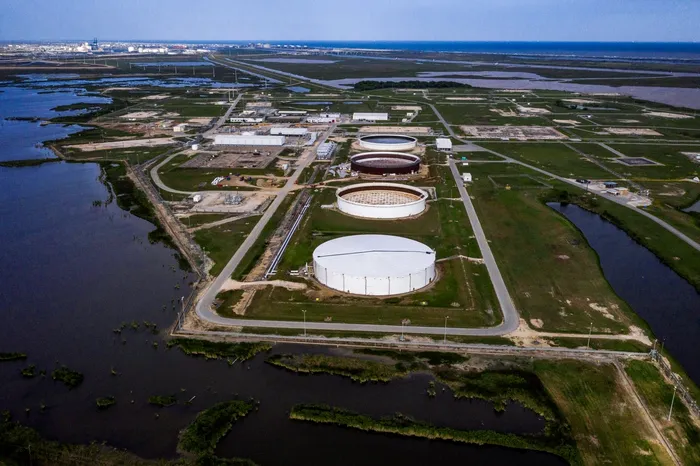
There is a technical risk here that nobody talks about. These salt caverns aren't just empty rooms. They are geological structures maintained by pressure and specific liquid levels. If you leave them empty for too long, or cycle them too frequently, you risk structural collapse. We are literally breaking our storage jars because we’re too impatient to fix the kitchen.
Why Domestic Production Is the Only Real Lever
The obsession with the SPR distracts from the real culprit: the regulatory war on domestic infrastructure. We can release all the oil we want, but if we don't have the pipelines to move it or the refineries to process it, the price at the pump will remain decoupled from the price of a barrel of WTI.
The US has the resources to be a global energy hegemon, yet we treat our energy industry like a pariah while begging for releases from a 50-year-old storage unit. It’s a cognitive dissonance that would be funny if it wasn't so dangerous. We should be fast-tracking permits for refineries and pipelines, not patting ourselves on the back for emptying the emergency pantry.
The Real Cost to the Taxpayer
When the government sells oil from the SPR, the revenue often gets sucked into the general fund to offset other spending. It’s a shell game. The taxpayer sees a marginal, temporary benefit at the pump but inherits a massive future liability. We are selling an asset today that we will almost certainly have to buy back at a premium tomorrow.
If a private corporation managed its emergency reserves this way, the board would be sued for breach of fiduciary duty. In Washington, it’s just another Tuesday.
Stop asking when the SPR release will lower your gas bill. Start asking what happens when a real crisis hits and we find out we’ve already burned through the fire extinguisher to stay warm for one night.
The SPR isn't a tool for price discovery. It's a tool for survival. Using it to manipulate the CPI is not just bad economics; it is a dereliction of duty.
Refill the caverns. Build the refineries. Stop the theater.