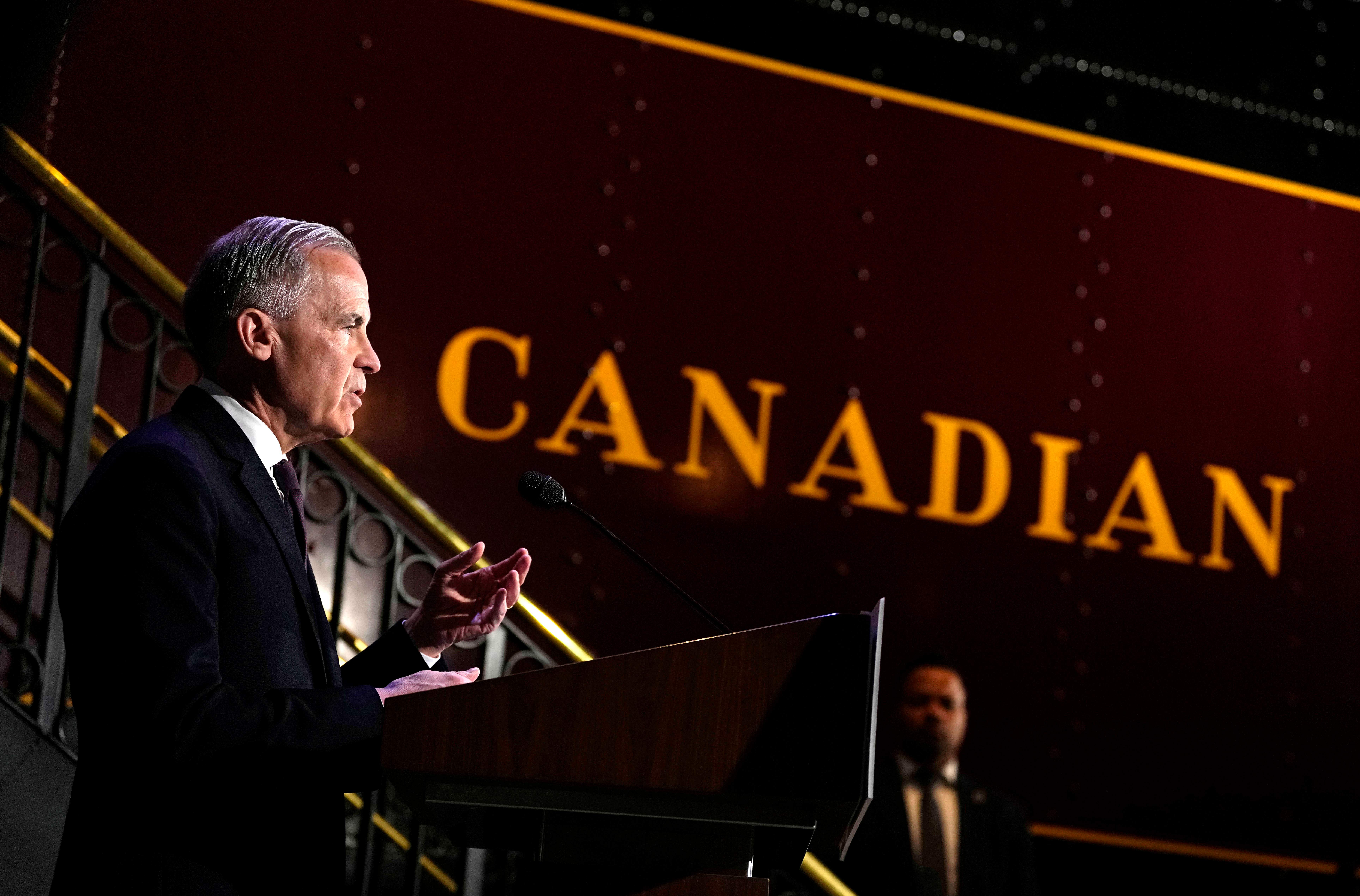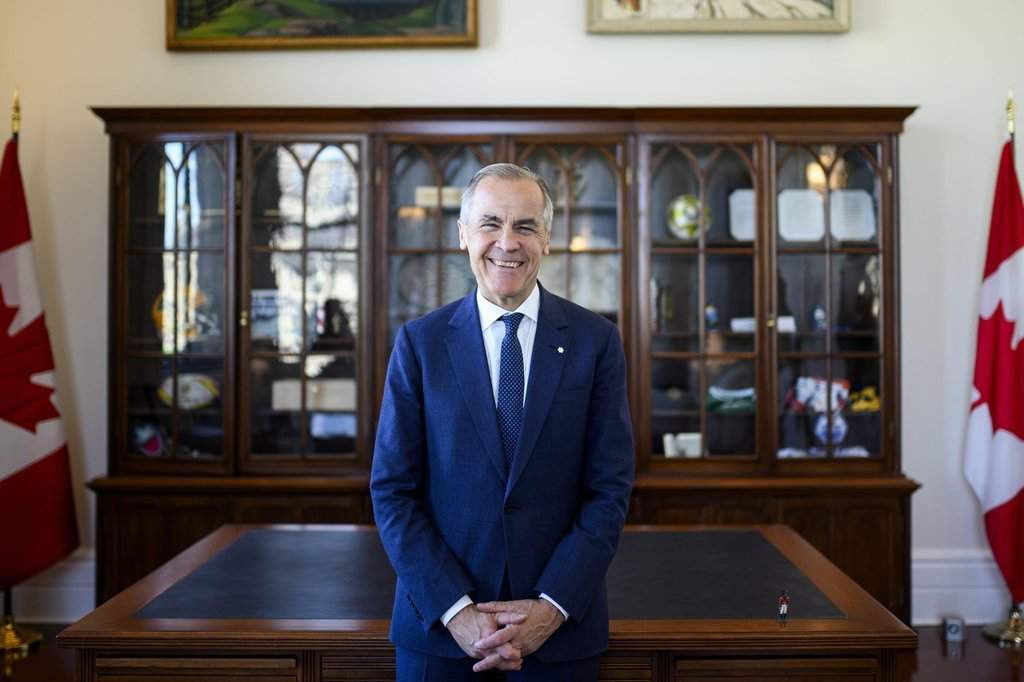
Mark Carney says Canada won't "leverage" energy and critical minerals in U.S. trade talks. He calls it a sign of stability. I call it a white flag disguised as a press release.
In the high-stakes theater of global trade, especially with a protectionist-leaning Washington, showing your hand before the cards are even dealt isn't "predictable leadership." It is strategic malpractice. For decades, the Ottawa consensus has been built on the polite fiction that if we play by the rules, the neighborhood bully will leave us alone. History suggests otherwise.
When you sit across from a trade representative who views imports as a personal affront, you don't lead with what you won't do. You lead with what they can’t live without.
The Myth of the Reliable Partner
The "lazy consensus" pushed by Carney and the current political establishment is that Canada’s value lies in being a "steady, reliable supplier." They argue that threatening to throttle energy exports or gatekeep critical minerals would damage our reputation.
Here is the truth: Reputation doesn't pay the bills. Supply chains do.
The U.S. doesn't buy Canadian crude or Quebec lithium because they like our "values." They buy it because of geography and geology. By taking these assets off the table as bargaining chips, Canada is essentially entering a knife fight with a wet noodle. We are volunteering to be a price-taker in a world where the biggest players are aggressively rewriting the rules of the game.
Energy is the Only Language Washington Speaks
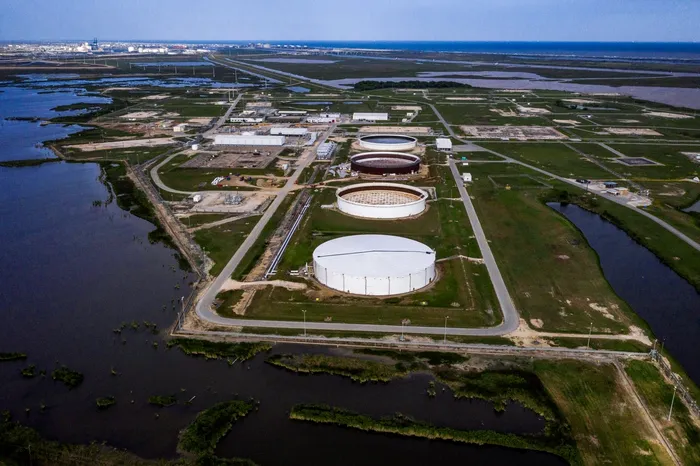
Look at the math. The U.S. is the world’s largest consumer of oil, and Canada provides roughly 60% of its crude imports. That is not just a commercial relationship; it is a structural dependency.
When American politicians talk about "energy independence," they are usually talking about independence from the Middle East, not from the pipes running south from Alberta. Yet, Canada treats this massive flow of BTUs like a utility bill we're lucky they pay.
Imagine a scenario where Canada tied energy security directly to steel and aluminum tariffs. Or tied the flow of hydroelectricity to the removal of "Buy American" provisions. The moment the lights flickered in the Midwest or gas prices spiked in the Northeast because of "regulatory friction" on the northern border, the tone in Washington would shift from condescension to cooperation.
Soft power is a luxury for countries that don't have something the world actually needs. Canada has the goods. It’s time we acted like it.
The Critical Mineral Delusion
The new gold rush is for the periodic table. Cobalt, copper, lithium, and nickel are the oxygen of the 21st-century economy. The U.S. is terrified of China’s stranglehold on these materials.
Carney’s approach suggests we should just be the "safe" alternative. This is a tactical error. If we offer our minerals up on a silver platter without demanding specific, ironclad concessions on automotive trade and manufacturing, we are simply subsidizing American industrial policy at the expense of our own.
The Real Price of "Stability"
- Stagnant Innovation: When you compete on being "reliable and cheap," you don't invest in value-added processing. You stay a hewer of wood and a drawer of water.
- Political Irrelevance: If Washington knows Canada will never bark, let alone bite, they will always put Canada at the back of the line behind more aggressive negotiators like Mexico or the EU.
- Economic Leakage: We export the raw materials and import the high-margin finished products. This isn't a trade strategy; it’s a colonial-era business model.
Stop Asking for Permission
People often ask: "Wouldn't the U.S. just retaliate?"
The premise of the question is flawed. They are already retaliating. They are subsidizing their domestic industries to the tune of hundreds of billions through the Inflation Reduction Act. They are challenging our dairy quotas. They are keeping the softwood lumber dispute on life support for the 40th year in a row.
The U.S. pursues its interests with zero regard for "polite" diplomacy. Canada’s refusal to use its natural resource hegemony as a shield is a dereliction of duty.
I’ve watched trade delegations spend millions on "charm offensives" in D.C., hosting cocktail parties and talking about "shared history." Meanwhile, the lobbyists for U.S. industry are in the next room over, getting laws passed that gut Canadian competitiveness. You don't win a trade war with a better brand story. You win it by making the alternative too expensive for the other side to contemplate.
The Counter-Intuitive Play: Controlled Friction
Instead of promising never to use minerals as a lever, we should be creating "bottlenecks by design."
This doesn't mean a total embargo. It means making it clear that access to Canadian resources is contingent on a reciprocal, borderless economic zone. It means saying: "If you tax our cars, we tax your access to our grid."
It’s uncomfortable. It’s "un-Canadian." It’s also the only way to survive an era of crumbling multilateralism.
We are currently operating on a 1990s playbook in a 2026 reality. The "stability" Carney clings to is actually a slow-motion decline. We are trading away our biggest advantages for a seat at a table where we aren't even being served a meal.
The biggest risk isn't that we might upset our neighbors by playing hardball. The biggest risk is that we continue to be so agreeable that we become irrelevant.
Trade isn't about friendship. It's about leverage. If you refuse to use yours, don't be surprised when you're the one being squeezed.
Pick up the lever. Use it. Or get out of the way for someone who will.