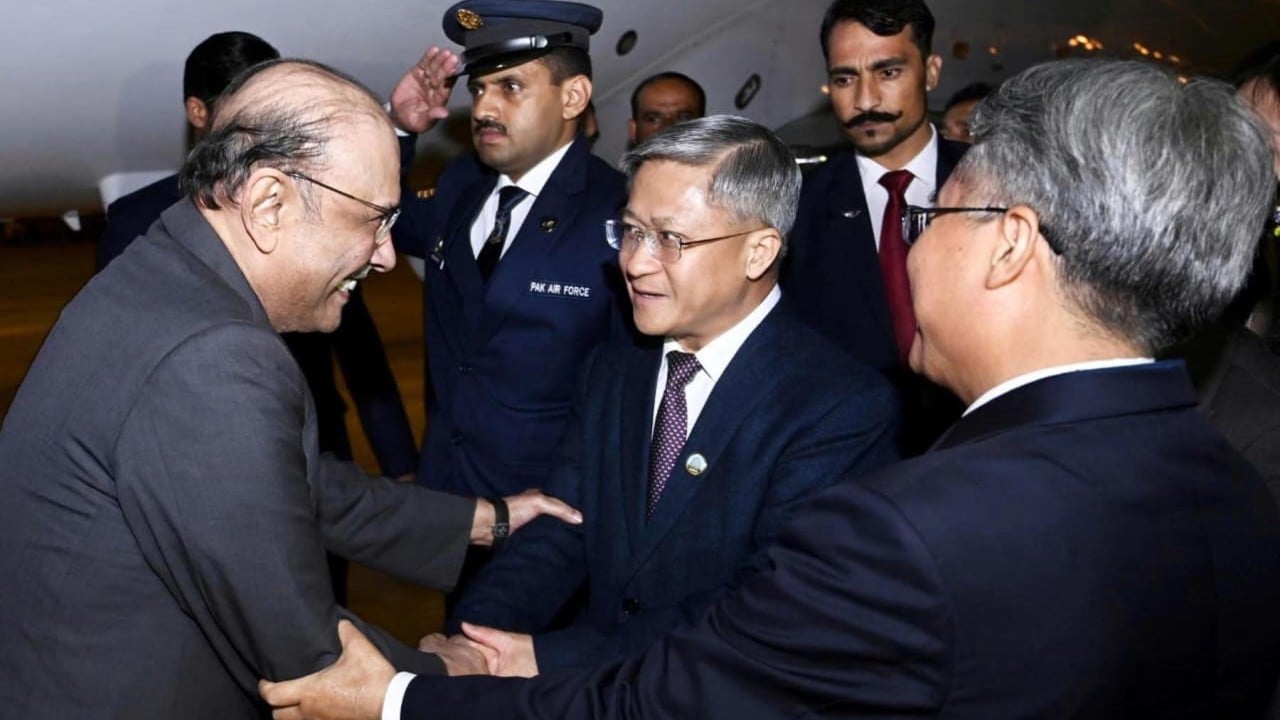
Pakistan’s President Asif Ali Zardari didn't just hop on a plane for a routine photo op this week. His week-long trip to China, spanning from April 25 to May 1, 2026, marks a deep dive into the next chapter of the "all-weather" friendship. While the talking heads in mainstream media focus on the formal handshakes, the real story lies in the shift from building massive highways to building actual industry.
The visit comes at a massive milestone: the 75th anniversary of diplomatic relations. It’s not just about history, though. Pakistan’s economy is in a spot where it can’t afford symbolic gestures. It needs cash, tech, and stable trade. By landing in Changsha, Hunan province, instead of heading straight to the capital, Zardari sent a clear message. He’s looking for the engines of Chinese growth, not just the political polish of Beijing.
Moving Beyond Asphalt and Concrete
For years, the China-Pakistan Economic Corridor (CPEC) was basically a giant construction site. We saw power plants and long stretches of motorway. That was Phase 1. Now, we’re seeing the transition to Phase 2. This is where things get interesting for the average Pakistani.
Phase 2 focuses on industrialization and agricultural tech. During his meetings in Hunan, Zardari didn't just talk about "ties." He specifically pushed for collaboration in seed technology and modern farming. Hunan is a powerhouse in agricultural machinery. If Pakistan wants to fix its food security issues, it needs that tech on its own soil.
The President also visited Shaoshan, the birthplace of Mao Zedong. Sure, it’s a tribute to history, but it’s also a nod to the ideological glue that keeps these two very different systems stuck together. Zardari mentioned his own family’s history with China—citing Zulfikar Ali Bhutto and Benazir Bhutto. It’s a way of saying, "We’ve been here since the start, and we aren't going anywhere."
The Sanya Stop and Maritime Ambitions
After wrapping up in Hunan, the President is heading to Sanya in Hainan province. This isn't just about the tropical weather. Hainan is a massive free-trade port and a hub for maritime cooperation.
Pakistan’s own Gwadar port is the crown jewel of CPEC, but it hasn't reached its full potential yet. By engaging with the leadership in Sanya, Zardari is looking for a blueprint. He wants to know how a regional hub turns into a global trade engine. Here’s what’s actually on the table:
- Mineral Processing: Pakistan has the raw materials; China has the tech to refine them.
- Digital Remittances: There’s already talk of using stablecoins for remittances to bypass clunky banking systems.
- Information Technology: 12 cooperation agreements between Hunan universities and Pakistani institutions are already in play.
It’s about more than just roads now. It’s about fiber optics, software, and specialized labs.
Why This Trip Matters More Than Last Year
You might remember Zardari took a 10-day trip last year. So, why go back so soon? Because the regional landscape is shifting. With tensions in West Asia and the 75-year anniversary celebrations, Pakistan needs to ensure it’s not just a "client" but a partner.
There’s a lot of noise about Pakistan’s debt to China. Critics love to bring up the "debt trap" narrative. However, from Islamabad's perspective, there isn't much of a choice. China is the only major power consistently putting skin in the game when it comes to Pakistani infrastructure. By broadening the scope of cooperation to include provincial-level deals—like the ones in Hunan and Hainan—Zardari is trying to diversify the relationship.
What Actually Happens Next
If you’re looking for the tangible results of this trip, don’t look at the joint statements. Look at the industrial zones. The success of this visit will be measured by whether Chinese firms actually set up factories in Pakistan rather than just selling products there.
The Government of Sindh is expected to sign several MoUs during this trip. These aren't just pieces of paper; they’re supposed to be the green light for manufacturing projects. If you’re an investor or just someone following the news, watch the "Special Economic Zones" (SEZs). If we see Chinese agricultural machinery being assembled in Pakistan by next year, then this trip was a win.
Don't expect a sudden flood of cash. Instead, look for small, specialized tech transfers. The goal is to move Pakistan up the value chain. It’s a long game. Zardari is betting that by doubling down on provincial partnerships, he can bypass some of the bureaucratic sludge that usually slows down CPEC projects.
Stay tuned to the updates coming out of Sanya on May 1. That’s when we’ll see the full list of trade expansion agreements. For now, the focus is clear: agriculture, industry, and tech. The "all-weather" friendship is getting a digital and industrial upgrade.
If you want to track the actual progress, keep an eye on the CPEC Authority’s project updates specifically regarding the Rashakai and Dhabeji SEZs. That’s where the rubber meets the road—literally. Keep an eye on the upcoming joint ventures in seed technology; those will be the first real indicators of whether this Hunan trip paid off.