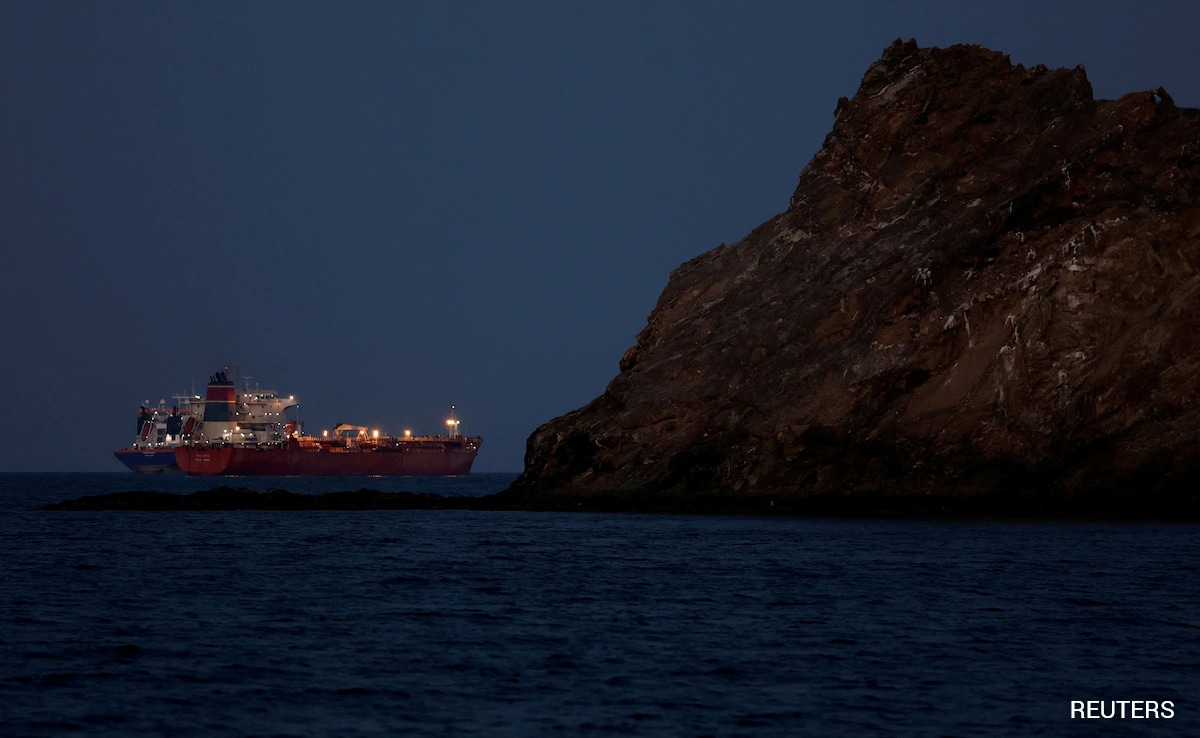
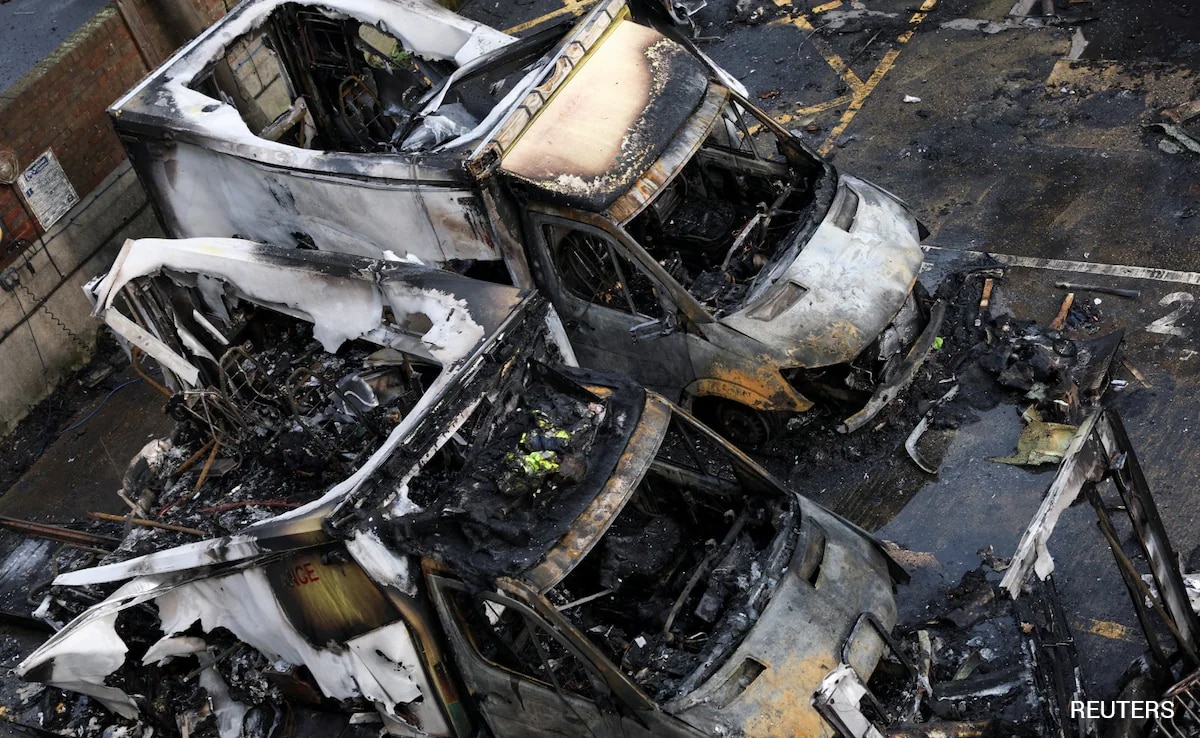
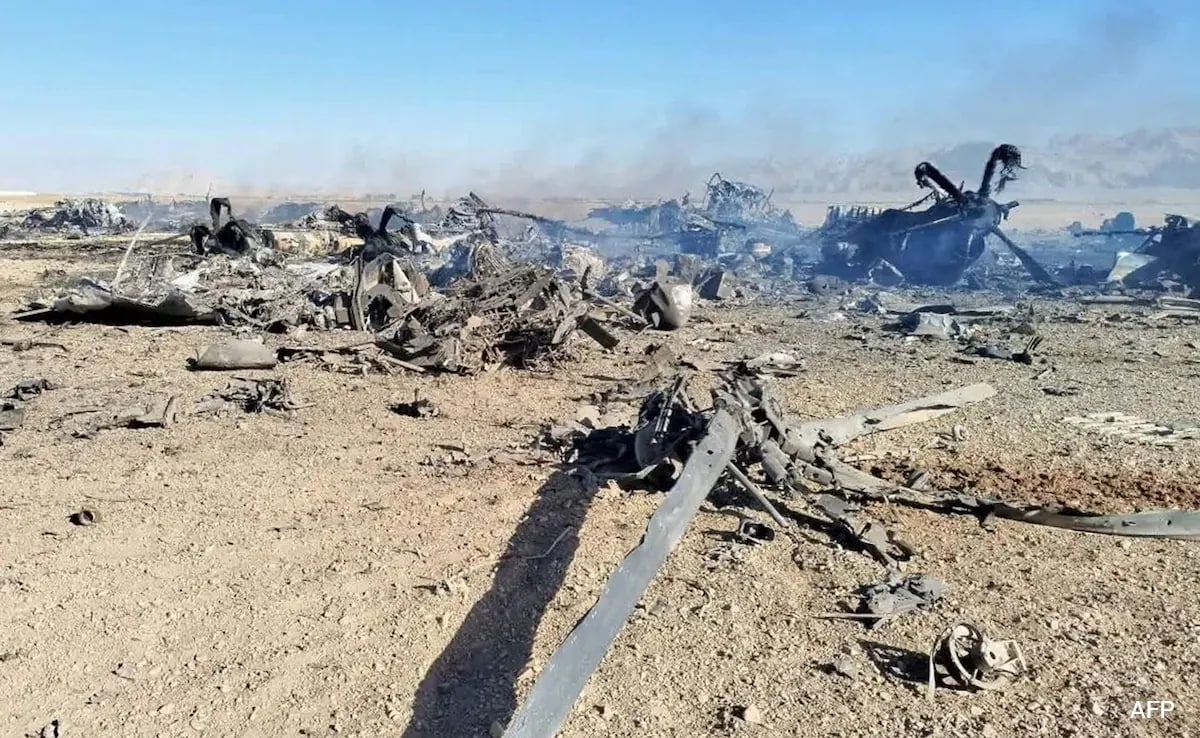
An American F-15E Strike Eagle pilot is back on safe ground after a high-stakes rescue mission inside Iranian territory. This isn't a movie plot. It's a massive escalation in a region that's been simmering for years. Reports of a "heavy firefight" during the extraction suggest that Iranian ground forces or proxies didn't just stand by while U.S. Special Operations moved in. They fought back. Hard.
The pilot’s jet reportedly went down during a combat sortie, though the Pentagon has been tight-lipped about whether it was a mechanical failure or a lucky shot from an adversary. What we do know is that the rescue—often called a Combat Search and Rescue (CSAR) mission—was a chaotic, violent success. If you're looking for the sanitized version of military operations, this isn't it. This was a messy, loud, and dangerous gamble that barely paid off. For a different perspective, consider: this related article.
Breaking Down the F-15E Crash
The F-15E Strike Eagle is a workhorse. It's a dual-role fighter designed for long-range interdiction and ground attacks. It’s fast. It’s heavy. And it’s usually incredibly reliable. Seeing one go down over hostile soil is a rare, gut-punching event for the Air Force. While the initial headlines focused on the "rescue," we need to look at why the plane was there.
Regional tensions have hit a breaking point. U.S. assets are frequently flying over or near Iranian borders to monitor proxy movements. When an engine fails or a surface-to-air missile (SAM) finds its mark, the pilot has seconds to eject. Once that canopy blows and the seat fires, the clock starts. In Iran, that clock ticks faster than almost anywhere else on earth. The terrain is unforgiving. The local forces are highly motivated to capture a "high-value asset" for leverage. Related analysis on this trend has been provided by BBC News.
The "heavy firefight" mentioned in early reports tells us the pilot wasn't just hiding in a bush waiting for a ride. The rescue team likely encountered immediate resistance. When you send in Pave Hawks or Ospreys to grab a downed flyer, you're essentially kicking a hornet's nest. The noise alone gives away the position. The fact that they got him out means the U.S. committed significant air cover—likely A-10s or other F-15Es—to suppress the area with overwhelming force.
The Brutal Reality of Combat Search and Rescue
CSAR is the most stressful mission in the military. It's not just about flying a helicopter to a GPS coordinate. It’s about coordinating a "package" of aircraft to shield the rescue bird. You have the "Sandy" pilots—A-10 flyers who specialize in loitering over a crash site—and the Pararescuemen (PJs) who actually hit the dirt.
These PJs are some of the most highly trained medical and combat specialists in the world. Their job is to stabilize the pilot and get them on the bird under fire. In this specific Iranian incident, the firefight suggests that the extraction zone was "hot." This means the rescue team had to use their own door guns and likely called in precision strikes within meters of their own position to keep Iranian forces at bay.
You don't just "rescue" someone in that environment. You fight for them. Every minute spent on the ground is a minute where the enemy can bring in more reinforcements, more heavy weapons, and more eyes. The success of this mission rests on the speed of the decision-making at the Command and Control level. Someone had to green-light a risky breach of Iranian sovereignty within minutes of the crash.
Geopolitical Fallout of a Hot Extraction
Let's be honest about the politics. Crossing into Iranian airspace to grab a pilot is a violation of sovereignty that Tehran won't ignore. They'll call it an act of war. The U.S. will call it a necessary recovery of personnel. Both are right, depending on which side of the border you’re sitting on.
This event puts the White House in a corner. If they acknowledge the pilot was on a sensitive mission, they risk escalating a direct conflict. If they play it down as a routine flight gone wrong, they look like they’re hiding the scale of American involvement in Iranian internal affairs.
Iran’s response will likely be asymmetric. Don't expect them to launch a full-scale invasion. Instead, look for increased drone strikes on U.S. bases in Iraq or Syria. Look for maritime "incidents" in the Strait of Hormuz. They’ll try to extract a price for the "heavy firefight" that likely left Iranian personnel dead on their own soil.
Why the F-15E is Still Relevant
People ask why we’re still using the F-15E when the F-35 exists. The answer is simple: payload and range. The Strike Eagle can carry a staggering amount of ordnance. It can stay in the air longer. It’s the "bomb truck" that the U.S. relies on when things get ugly.
However, the F-15E lacks the stealth of the newer generation. In a sophisticated environment like Iran’s—which is packed with Russian-made S-300 systems and indigenous radar—the Strike Eagle is vulnerable. This crash might be the final piece of evidence the Pentagon needs to push for faster retirement of non-stealth assets in "contested" airspace. If we can't keep the F-15E safe from Iranian defenses, we can't keep it in the fight.
What Happens to the Pilot Now
Surviving the crash and the firefight is only the beginning. That pilot is going through a "decompression" process right now. They’ll be debriefed by intelligence officers to find out exactly what went wrong. Did the plane's electronic warfare suite fail? Was there a cyber-attack on the avionics?
The military also has to deal with the "Golden Hour" of intelligence. Everything the pilot saw on the ground—troop movements, types of weapons used against the rescue team, the reaction time of Iranian forces—is gold for planners. This pilot isn't just a survivor; they're a witness to the current state of Iranian readiness.
The Risks of Future Missions
This rescue was a win, but it was a close one. We can't assume the next one will go as smoothly. Iran has likely learned more from this failure than the U.S. has from its success. They’ll adjust their response times. They’ll move more mobile SAM sites into "blind spots" they didn't know existed.
The U.S. military is now in a position where they have to decide if the risk of flying manned missions over Iran is worth the potential for another "hot" rescue. Every time a pilot goes down, you're risking a dozen more lives to get them back. At some point, the math doesn't work.
Moving Forward After the Firefight
The dust hasn't settled on this yet. Expect more details to leak out about the specific units involved—likely the 160th Special Operations Aviation Regiment (SOAR) or Air Force Special Operations Command (AFSOC). These are the quiet professionals who make these rescues look possible, even when they shouldn't be.
Keep an eye on the official statements from Tehran. If they show footage of the wreckage, pay attention to the debris. It will tell us if the plane was shot down or suffered a mechanical failure. That distinction changes everything about how the U.S. operates in the region for the next decade.
If you're following this, stop looking at the "miracle" of the rescue and start looking at the map. The location of the crash tells you exactly what the U.S. was looking at before things went south. The proximity to sensitive Iranian sites is the real story here. We’re not just patrolling; we’re probing. And sometimes, when you probe, you get bit.
Check the latest updates from independent defense analysts who track transponders and satellite imagery. They usually find the "truth" days before the Pentagon holds a press conference. Monitor the movement of Carrier Strike Groups in the Arabian Sea. If they move closer to the coast, the "heavy firefight" was just the opening act of a much longer play.