Vietnam isn't just a transit point for illegal wildlife anymore; it’s becoming a place where smugglers actually face the music. A court in the central province of Nghe An recently handed down prison sentences to a group involved in trafficking a massive 900kg haul of pangolin scales. This wasn't some minor slap on the wrist or a small fine that could be brushed off as a "cost of doing business." It’s a signal that the legal gears are finally turning in a country that has long been criticized for its porous borders and flourishing black markets.
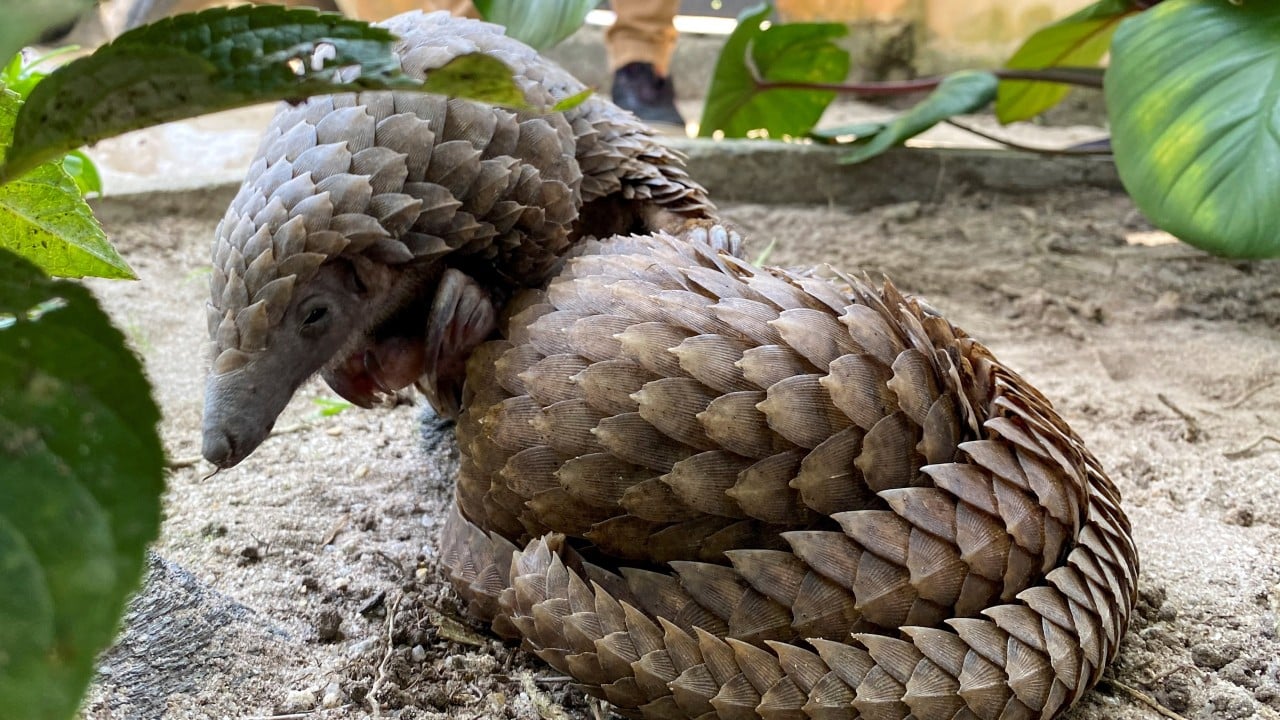
The seizure of 900kg of scales is staggering when you do the math. Experts estimate that it takes roughly three to four pangolins to produce just one kilogram of scales. We’re talking about the deaths of nearly 3,000 animals for a single shipment. These creatures are shy, nocturnal, and completely defenseless. Their only move is to roll into a ball, which makes them incredibly easy for poachers to simply pick up and toss into a bag.
The Reality of the Nghe An Sentencing
Nghe An has a reputation. For years, it’s been known as a hotspot for wildlife transit, specifically for scales and ivory coming in from Africa or neighboring Southeast Asian nations. This recent case saw several individuals jailed, with sentences reflecting the severity of the 2018 Penal Code updates. Under these laws, trafficking endangered species can land you in prison for up to 15 years.
Seeing a court actually follow through with multi-year sentences is what conservationists call a "meaningful deterrent." In the past, the "big fish" often escaped while low-level couriers took the fall. While we're still waiting to see if the kingpins behind these 900kg shipments get caught, jailing the mid-level operators disrupts the logistics of the entire criminal network.
Why the Demand for Scales Persists
You've probably heard the claim that pangolin scales have medicinal properties. Let’s be clear: they don’t. They’re made of keratin. That’s the exact same protein found in your fingernails and hair. There is zero scientific evidence that consuming them cures cancer, helps with lactation, or improves circulation. Yet, the myth persists, fueled by tradition and a lucrative underground industry.
The trade is roughly divided into two streams:
- Traditional Medicine: Scales are dried, roasted, and sold in pharmacies.
- Luxury Status: In some circles, eating pangolin meat is a way to flaunt wealth.
Because the scales are easy to store and don't rot like meat, they’re the preferred currency for international traffickers. They can be stashed in shipping containers for months, hidden under piles of timber or cashews, waiting for the right moment to cross the border.
Vietnam's Shifting Role in Global Conservation
It’s easy to be cynical about wildlife laws in Southeast Asia. I get it. For a long time, the enforcement was a joke. But things are changing. Organizations like Education for Nature Vietnam (ENV) have been relentless in tracking these cases and pushing for transparency. They don't just report the seizures; they follow the suspects through the court system to make sure they don't just "disappear" before sentencing.
Vietnam has also ramped up its cooperation with CITES (the Convention on International Trade in Endangered Species). All eight species of pangolin—four in Asia and four in Africa—are listed under Appendix I. This means international commercial trade is strictly prohibited. By jailing these smugglers, Vietnam is showing the international community it’s serious about its treaty obligations.
What This Means for the Future
Does this sentencing stop the trade? No. But it makes it riskier. When the risk of a seven-year prison term outweighs the potential profit, the "business model" of trafficking starts to crumble.
We need to see more of this. Conservationists are hailing this specific case because it represents a successful "chain of custody"—from the initial intelligence and the raid to the final gavel in the courtroom. It proves that the laws on the books aren't just for show.
If you want to help, stop looking for "miracle" cures in traditional shops and support organizations that fund ranger patrols and legal monitoring in Vietnam. The survival of the most trafficked mammal on Earth depends on whether we can make the trade too expensive—and too dangerous—to continue.
Start by checking the labels of traditional products you buy and report any suspicious wildlife trade to local authorities or NGOs like ENV. Real change happens when the market for these products dries up and the people moving them realize the jail cell is the only thing waiting for them at the end of the line.