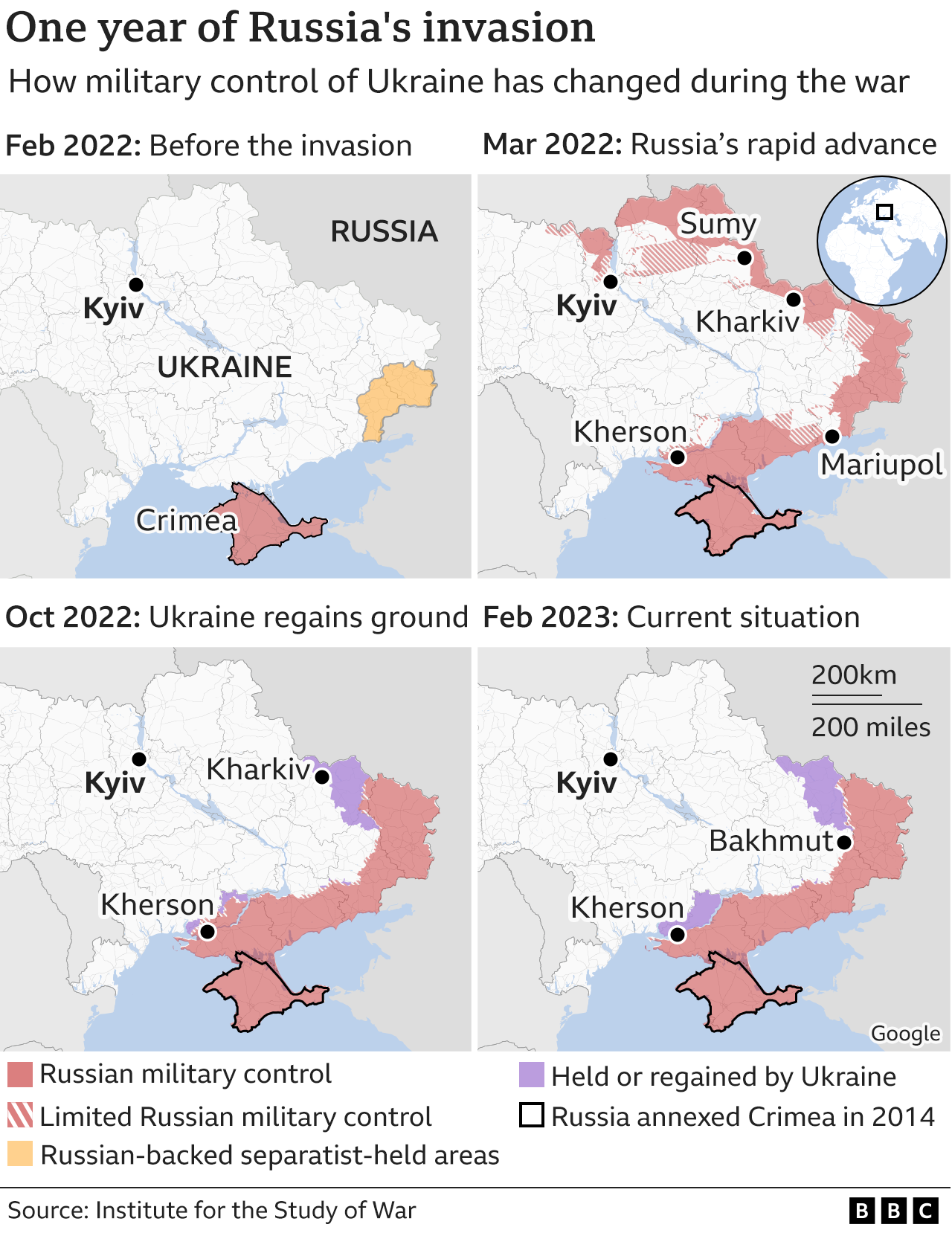
Ukraine just proved again that big ships don't always win. Early morning reports confirm the Ukrainian Navy successfully targeted two Russian patrol boats. These weren't just random vessels out for a stroll. They were the primary muscle guarding the Kerch Bridge. If you've followed this war, you know the bridge is Putin's favorite project and a massive supply artery. Taking out the guards is a loud statement.
Kyiv used sea drones to do the dirty work. It's a tactic they've mastered. While the Russian Ministry of Defense tries to downplay the damage, the reality on the water looks much grimmer for the Black Sea Fleet. These patrol boats, likely from the KS-701 Tunets series, are agile but they aren't invincible. When a high-speed drone packed with explosives meets a fiberglass hull, the boat loses every single time. Building on this theme, you can find more in: The Erasure of the Voting Rights Act and the New Architecture of American Power.
Why these patrol boats actually mattered
Most people look at a patrol boat and see a small, insignificant target compared to a cruiser. That's a mistake. These boats are the eyes and ears of the Kerch Strait. They're tasked with spotting exactly what hit them—uncrewed surface vessels (USVs). By knocking them out, Ukraine isn't just sinking metal. They're creating blind spots.
Russia uses these vessels to maintain a constant perimeter around the Crimean Bridge. They deploy sonar, visual observers, and rapid-response teams to intercept anything moving toward the bridge's support pillars. When you remove these guards, the bridge becomes a lot more vulnerable. It's like taking out the security cameras and the bouncers before you try to walk into a restricted building. Analysts at USA Today have also weighed in on this matter.
The Ukrainian Navy's "Group 13" special unit is becoming a nightmare for Russian sailors. They don't fight fair, and honestly, they shouldn't. They use swarming tactics. One drone might get picked off by machine-gun fire, but the second or third will find its mark. This specific strike happened near the Vuzka Bay area. That's deep enough into "protected" waters to make the Russian command extremely nervous.
The failure of Russian electronic warfare
Russia boasts about its "impenetrable" electronic warfare (EW) umbrellas. They claim they can jam any drone signal within miles of the Kerch Bridge. This strike shows that's largely theater. Ukraine is getting better at hardening their drones against jamming. They're using autonomous terminal guidance, which means once the drone is close enough, it doesn't even need a pilot's signal. It just sees the target and hits it.
The Black Sea has become a laboratory for modern naval combat. We're seeing the end of the era where a large, expensive navy can bully a smaller neighbor with impunity. Ukraine doesn't even have a traditional functional fleet of large warships. They have a "fleet of drones." And yet, they've managed to force the Russian Black Sea Fleet to retreat from its main base in Sevastopol to Novorossiysk. Think about that for a second. A nation without a navy is winning a naval war.
How this impacts the Crimean supply line
Everything in this region comes back to logistics. The Kerch Bridge is the umbilical cord for Russian forces in southern Ukraine. They need it for fuel, ammunition, and fresh troops. While the bridge is still standing, its capacity is lower than it used to be because of previous hits.
By targeting the patrol boats, Ukraine is preparing the battlefield for something bigger. You don't clear the guards unless you plan on going after the prize. The psychological toll on Russian crews is also massive. Imagine sitting on a small boat at 3:00 AM, knowing that a silent, explosive-laden "Magura V5" drone could be 50 yards away and you'd never see it until the flash.
The tech behind the strike
Ukraine's secret weapon is the Magura V5. It’s a multi-purpose uncrewed surface vessel.
- Range: Over 450 nautical miles.
- Payload: Roughly 250 kilograms of explosives.
- Profile: Very low to the water, making radar detection nearly impossible in choppy seas.
These aren't toys. They're sophisticated naval assets built in secret warehouses. Every time Russia adapts, Ukraine tweaks the software or the hull design. It’s a constant cat-and-mouse game where the mouse has a suicide vest.
The shifting power balance in the Black Sea
The Kremlin keeps saying everything is under control. But you don't move your billion-dollar frigates hundreds of miles away if you have things under control. The destruction of these two patrol boats is a micro-example of a macro-trend. Russia is losing the ability to project power in its own backyard.
Western intelligence agencies have noted that the Russian Navy is struggling with morale. It’s hard to stay motivated when your primary job is basically waiting to get hit by a remote-controlled boat. The "Tunets" boats are relatively easy to replace in terms of cost, but the trained crews are not. Each successful strike thins the ranks of experienced operators who know these waters.
What to watch for next
Don't expect Ukraine to stop here. They've found a vulnerability and they're going to hammer it until it breaks. The goal isn't just to sink boats; it's to make the occupation of Crimea so expensive and dangerous that it becomes untenable.
Watch the shipping insurance rates. Watch the movement of Russian landing ships. Every time a patrol boat goes down, the risk profile for every other Russian vessel in the area spikes. The "security" around the Kerch Bridge is now officially full of holes.
If you’re tracking this conflict, stop looking at the land maps for a day and look at the maritime charts. The real disruption is happening in the water. Kyiv is playing a long game of attrition, and so far, their drones are the MVP. Follow the official channels of the Ukrainian Main Intelligence Directorate (GUR) for the inevitable thermal footage of the strike—it usually drops within 24 hours of the operation. That video will tell you more than any Russian press release ever could. Keep an eye on the Vuzka Bay region specifically; it’s becoming a favorite hunting ground for the Navy's drone pilots.