The Gaza ceasefire has held for half a year, but the silence of the guns hasn't brought the "deal of the century" any closer to reality. Most people thought the pause in fighting would jumpstart phase two of the Trump administration's Middle East vision. It didn't. Instead, we're seeing a diplomatic ghost town where big promises about economic zones and regional integration used to live. The reality on the ground in April 2026 is a messy mix of stalled reconstruction and political paralysis that makes the original peace plan look like a relic from a different era.
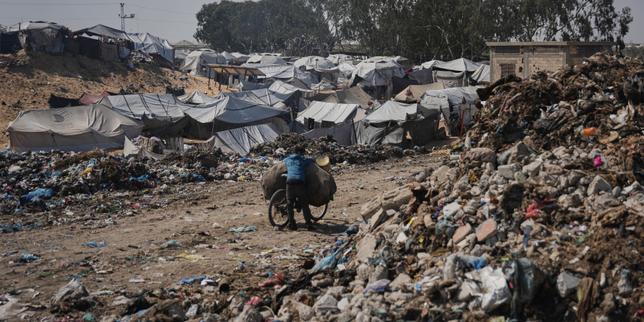
You can't build a new Middle East on top of rubble that hasn't been cleared. While the 2020 Abraham Accords set a foundation for normalization between Israel and several Arab nations, the specific "Peace to Prosperity" roadmap for Gaza and the West Bank is currently stuck in the mud. Six months of no rockets should have been the green light for the massive private investment the Trump team bragged about. Instead, investors are spooked, and the political framework is essentially on life support. Don't forget to check out our earlier coverage on this related article.
The disconnect between economic dreams and Gaza reality
The core of the Trump plan relied on a $50 billion investment fund. The idea was simple. If you pour enough money into infrastructure and jobs, the political grievances will fade away. It's a business-first approach to a blood-and-soil conflict. Six months into this ceasefire, we've seen that theory hit a hard wall. You're not going to get a tech hub in Gaza City when the basic electricity grid still flickers out every four hours.
The plan’s phase two specifically called for a "transportation corridor" linking Gaza to the West Bank. In the current climate, that's fantasy. Security concerns on the Israeli side remain at an all-time high despite the lack of active combat. No one is breaking ground on a high-speed rail link or a sunken highway through the Negev desert. The trust isn't there. Honestly, it's never been there, and six months of quiet hasn't magically manufactured it. If you want more about the background here, USA Today offers an excellent breakdown.
Money is cowardly. International donors and private equity firms from the Gulf are sitting on their hands. They want guarantees that a new factory won't be leveled in the next round of escalations. Without those guarantees, the "Prosperity" part of the plan is just a PDF sitting in a Washington archive.
Regional players are moving on without a map
What's actually happening is a shift in how regional powers like Egypt, Qatar, and the UAE handle the situation. They aren't waiting for a formal phase two rollout from a Western capital. They're doing their own thing. Egypt has taken the lead on the physical rebuilding of northern Gaza, mostly because they want to prevent a refugee crisis on their own border. It's practical. It's messy. And it doesn't follow the slick brochures of the 2020 plan.
The Trump plan assumed a level of Palestinian Authority (PA) cooperation that never materialized. Right now, the PA is struggling with its own legitimacy issues in the West Bank, while Hamas still maintains its grip on Gaza’s internal security. You have two different Palestinian governments, and neither is interested in the "Peace to Prosperity" terms. They see it as a surrender dressed up as a bank loan.
If you look at the Abraham Accords partners, their interest in Gaza is strictly about containment. They'll fund some humanitarian aid, but they aren't going to bankroll a grand political experiment that has no buy-in from the local leadership. The "outside-in" strategy—where Arab neighbors pressure the Palestinians to settle—has hit its limit. You can't force a deal if the people living in the territory feel like they're being bought off.
Why the phase two timeline is a total mess
Phase two was supposed to be the "political" phase. It involved the final status of borders and the recognition of a Palestinian state with very limited sovereignty. That’s the part that's truly in the limbos. There's zero appetite in the current Israeli government for the territorial concessions required by the plan, even the modest ones. They've seen that they can have the ceasefire without giving up the land.
- The Border Issue: The plan suggested a "land swap," but the areas designated for Gaza’s expansion in the desert are still empty sand.
- The Security Component: Israel still demands total security control over the Jordan Valley, which remains a non-starter for any Palestinian negotiator.
- The Capital Problem: The idea of a Palestinian capital in the outskirts of East Jerusalem like Abu Dis has gained zero traction. It’s a proposal that exists only on paper.
The ceasefire has become an end in itself. For many politicians, "no news is good news." They'd rather keep the status quo than risk a political blowback by trying to implement a controversial peace plan. This creates a dangerous vacuum. When you have no political horizon, the ceasefire becomes fragile. It’s a temporary band-aid on a massive wound.
Practical steps for anyone following this crisis
Stop looking for a "grand signing ceremony" on the White House lawn. It’s not happening this year. If you want to understand where the region is actually going, watch the small-scale infrastructure projects. Look at who is paying for the desalination plants and who is providing the fuel for the power stations. That's the real diplomacy.
Keep an eye on the internal politics of the Gulf states. Their willingness to keep Gaza afloat is the only thing preventing a total collapse. They're the ones with the actual leverage now, more than the Americans or the Europeans. If the UAE pulls back its support, the ceasefire won't last another month.
Monitor the border crossings. The flow of goods is a better indicator of "peace" than any diplomatic statement. If the Kerem Shalom and Erez crossings start handling more industrial equipment rather than just food and medicine, then maybe—just maybe—some elements of an economic plan are taking root. Until then, the Trump plan is just a ghost haunting a region that has moved on to a much grittier reality.
Demand more than just "quiet." Quiet is nice, but it's not a policy. Without a real plan for the two million people living in Gaza, we're just counting down the days until the next flare-up. The current stalemate is a choice, and right now, it's the choice everyone in power seems comfortable making.