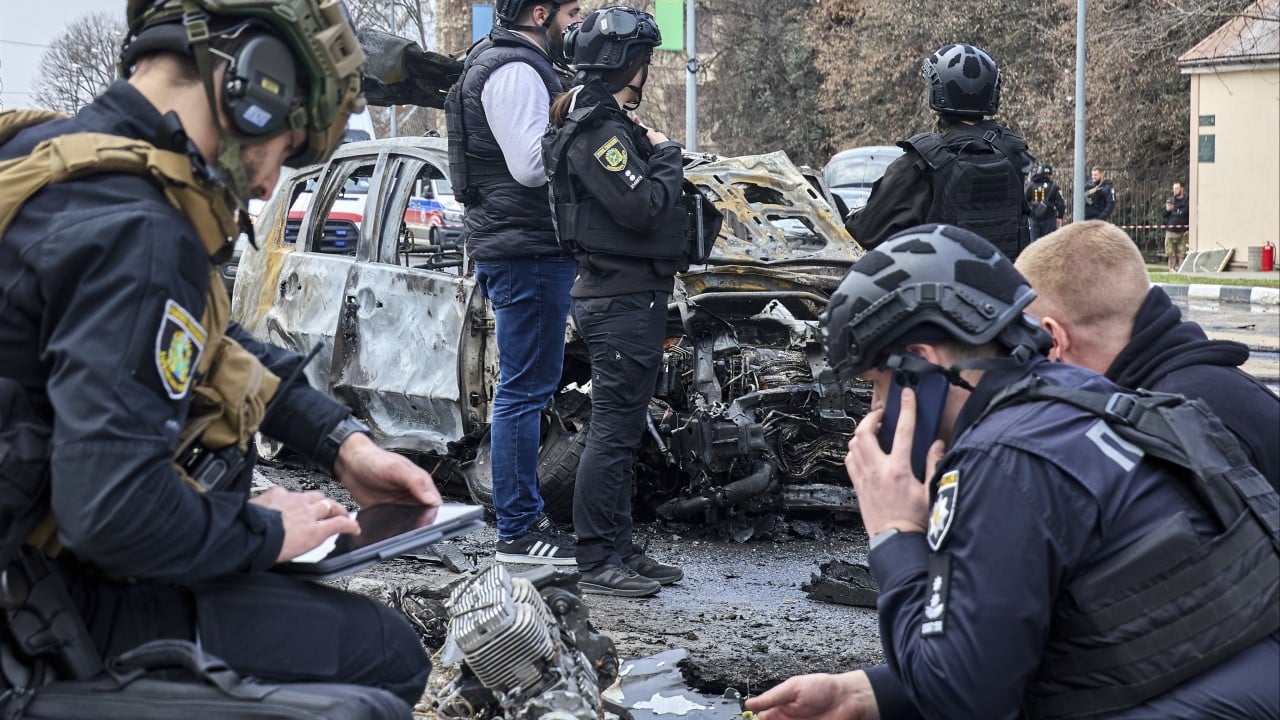
The smoke cleared from the Tai Po flat years ago, but the stench of administrative failure is just starting to hit the public. If you think your building’s fire safety is a given because of Hong Kong's strict-looking regulations, the recent inquiry into the fatal Tai Po blaze suggests you should think again. We’re seeing a pattern of bureaucratic buck-passing that has left residents in older buildings effectively stranded in death traps. It’s not just about a single fire. It’s about a system that promises safety on paper while ignoring the reality of subdivided flats and aging infrastructure.
The hearings have been a brutal reality check. We’re talking about lives lost in a space that should’ve been a sanctuary, yet ended up being a cage of smoke and heat. What’s truly infuriating isn’t just the fire itself—accidents happen—it’s the revelation that the government knew about the risks and did nothing. For years, officials looked the other way while "coffin homes" and illegal subdivisions became the norm in districts like Tai Po.
The Broken Promise of Building Inspections
You’d expect that when a building is flagged for safety violations, something happens. In the Tai Po case, the paper trail shows a series of warnings that went ignored. Inspectors visited. They wrote reports. They issued orders. Then? Nothing. The system relies on a "compliance by choice" model that fails the city’s most vulnerable people. Property owners often find it cheaper to pay a small fine or ignore a notice for years than to actually fix the underlying fire hazards.
The Buildings Department and the Fire Services Department seem to be playing a perpetual game of tag. One handles the structure, the other handles the extinguishers and hydrants. When a fire breaks out in a subdivided unit, the gray area between these jurisdictions becomes a graveyard. The hearings revealed that inspectors often couldn't even enter certain units because of "locked doors" or "uncooperative tenants." Instead of getting a warrant or escalating the issue, they simply marked the file as "pending." That’s not oversight. It’s negligence.
Subdivided Flats and the Blind Eye Policy
Let’s be honest about what’s happening in Tai Po and similar districts. The government’s housing policy has pushed thousands into subdivided units. These aren't just tiny apartments. They're labyrinths of plywood and extension cords. The hearings brought to light that the fire in question spread so rapidly because of the materials used in these illegal partitions. These materials don't meet any fire code, yet they're sold in hardware stores across the city every day.
The "broken promise" here is the idea that the government is working to eliminate these hazards. In reality, there’s a quiet understanding that if they actually enforced the law, thousands of people would be homeless overnight. So, they let the hazard stay. They trade fire safety for a lower homelessness statistic. It's a cynical trade-off. The hearings showed that even when neighbors complained about the smell of burning plastic or overloaded circuits months before the tragedy, the response was tepid at best.
Why Technical Compliance Isn't Enough
We often hear officials say they "followed procedures." That’s a shield they use to deflect blame. During the testimony, it became clear that while certain boxes were checked, the actual safety of the residents didn't improve. A building might have a fire extinguisher in the hallway, but if the hallway is blocked by discarded furniture and the fire door is propped open with a brick, that extinguisher is useless.
The Problem with Fire Doors and Corridors
- Propped Doors: Most fire deaths in Hong Kong aren't from burns; they're from smoke inhalation because fire doors fail to stay shut.
- Storage Chaos: Old buildings use stairwells as "temporary" storage for bikes and trash, turning escape routes into obstacle courses.
- Illegal Wiring: Subdivided flats often pull power from a single source not designed for five air conditioners, leading to electrical fires.
The hearings highlighted that the Fire Services Department often conducts inspections during the day when residents are out and the building is "quiet." The real hazards—the cooking, the heavy power usage, the crowded hallways—happen at night. By only looking at the building when it’s empty, they’re missing the forest for the trees.
The Cost of Bureaucratic Inertia
Money talks. The hearings revealed a massive backlog of Fire Safety Direction orders that haven't been complied with for over a decade. In some cases, buildings in Tai Po had been under "active investigation" since the early 2010s. If a "direction" can stay unfulfilled for ten years, it’s not a direction—it’s a suggestion. The government’s reluctance to step in and do the work themselves (and bill the owners later) is a major sticking point.
They claim they don't have the manpower. But Hong Kong has one of the highest per-capita civil servant counts in the developed world. It’s not a lack of people; it’s a lack of will. The inquiry showed that departments don't share data. The Buildings Department might know a floor plan is illegal, but they don't necessarily tell the Fire Services Department to prioritize that floor for a night-time inspection. We’re living in a world of data silos where the left hand doesn't know the right hand is being burned.
Accountability is the Missing Link
Who actually pays when a Tai Po fire happens? Usually, it's the families of the victims. Rarely is it the landlord who raked in rent for an illegal unit, and it's never the bureaucrat who sat on a safety report for three years. The hearings have pulled back the curtain on this lack of accountability. We’ve heard a lot of "I don't recall" and "that wasn't my department's primary responsibility."
This culture of dodging responsibility is why these fires keep happening. Until there are criminal consequences for landlords who ignore fire safety orders—and until department heads face real pressure for failing to clear their backlogs—nothing changes. The "broken promises" are the various Task Forces and Committees formed after every fire that produce a glossy report and then disappear. We don't need more committees. We need enforcement.
Take Control of Your Own Safety
Since the government is clearly lagging, you can't afford to wait for them to fix your building. If you live in an older block in Tai Po, Mong Kok, or Sham Shui Po, you need to be your own fire marshal. Honestly, the system is rigged against you, so you have to be proactive.
First, check your fire doors. If they don't close automatically, they're useless. Bug your building management or your landlord every single day until it's fixed. Second, look at the hallways. If there’s junk in the way, it’s a death trap. Clear it or report it to the Fire Services Department online—they're often faster to respond to digital complaints with photos than to general inquiries.
Finally, install a standalone smoke detector in your unit. They're cheap, they run on batteries, and they don't need to be wired into the building's system. In almost every fatal fire discussed in the Tai Po hearings, a simple 100-dollar alarm could've saved lives by giving residents an extra two minutes to get out. Don't wait for a "broken promise" to be fixed while you're sleeping. Buy a detector today. Stop trusting that the "pending" file in some government office is going to keep you safe. It won't.