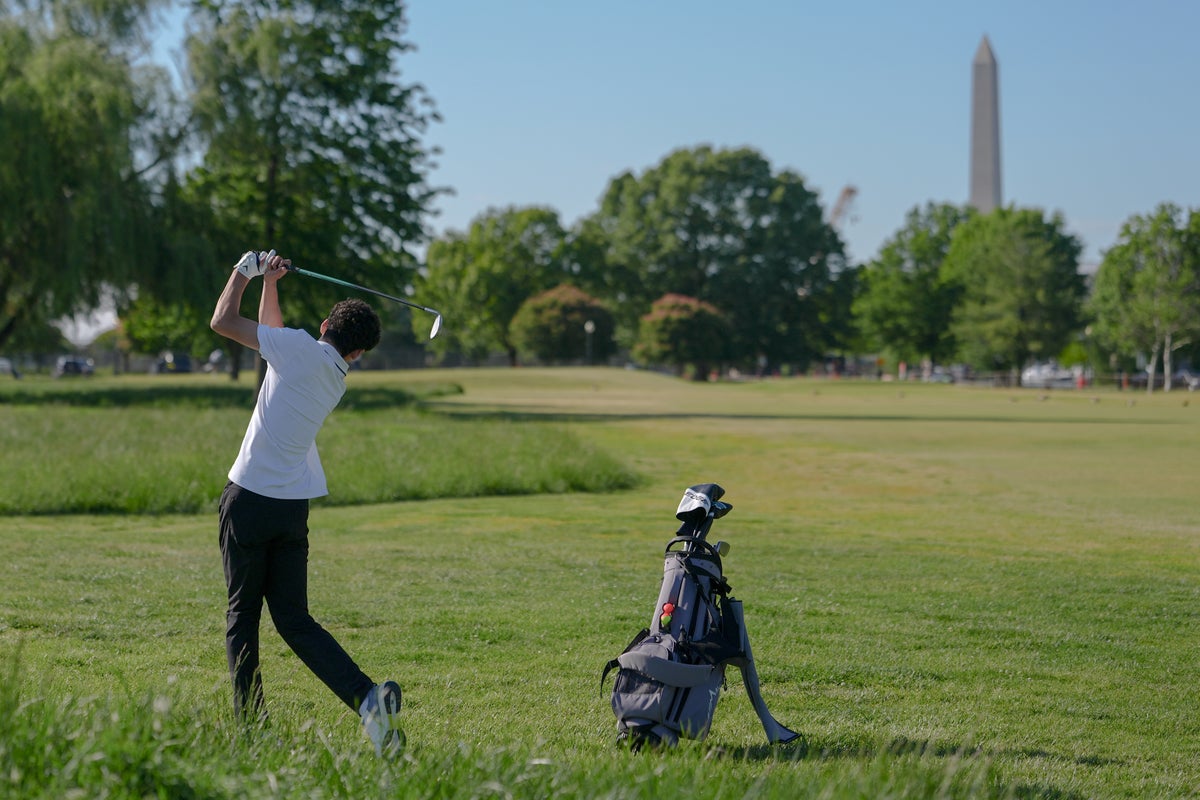
The headlines are predictable. They scream about "environmental protection" and "judicial restraint" whenever a judge tells the Trump Organization to put down the chainsaws at a golf course. The media paints a picture of a brave judiciary standing between a rapacious developer and a pristine forest. It is a fairy tale. It is also bad law and worse land management.
The recent court order regarding the Washington golf course dispute is not a victory for the planet. It is a victory for procedural bloat. It is the legal equivalent of a participation trophy for activists who would rather see a plot of land rot under invasive species than see it managed for human utility. We have reached a point where "don't cut that tree" is an automatic moral high ground, regardless of whether that tree is a diseased mess or a hazard to the local ecosystem.
The Arrogance of Stasis
The core problem with the judge's "no-cut" order is the underlying assumption that the status quo is sacred. In the world of high-stakes land development and environmental litigation, there is a pervasive "lazy consensus" that doing nothing is always better than doing something.
Nature is not a museum. It is a process.
I have watched developers spend seven figures on environmental impact studies only to have a judge halt a project because of a handful of non-native trees that provide zero canopy value. We treat every trunk like a monument. In reality, land management requires the removal of the old to make room for the functional. By forcing "notice" for every branch trimmed, the court isn't protecting nature; it is weaponizing bureaucracy.
When a court interferes with the maintenance of a multi-million dollar asset like a golf course, it creates a "chilling effect" on investment. Why bother improving a property if you need a court order to clear brush? This isn't about the environment. It's about control.
Property Rights vs. Performative Litigation
Let’s dismantle the idea that this is a "dispute." It is an extraction.
The opposition isn't trying to save a forest; they are trying to bankrupt a timeline. In real estate development, time is the only commodity that matters. Every day a crew sits idle while lawyers argue over the definition of a "significant tree" is a win for the obstructionists.
- The Myth: Cutting trees is irreversible damage.
- The Reality: Vegetation is the most renewable resource on the planet.
If you cut a tree today, you can plant five better ones tomorrow. But the legal system treats a chainsaw like a nuclear warhead. This hyper-precautionary principle is why infrastructure in this country takes decades instead of years. We have prioritized the "feelings" of the landscape over the legal rights of the owner to manage their soil.
I’ve seen projects where $10 million was burned in interest payments while a court debated the nesting habits of a bird that hadn't been seen in the county since 1994. The Washington case follows this same pattern of "judicial overreach via delay." By requiring notice before any action, the judge effectively hands a veto to the opposition. Every notice will be met with an injunction. Every injunction will be met with a hearing. The property stays stagnant, the legal fees mount, and the activists pat themselves on the back for "saving" a patch of dirt that is likely half-filled with English Ivy and rotting timber.
The Economics of the Chainsaw
We need to talk about the "nuance" the competitor missed: Silviculture is not slaughter.
A golf course, by its very nature, is a managed ecosystem. It requires light, airflow, and specific drainage patterns to function. When a judge restricts tree removal, they are effectively mandating the slow death of the turf.
- Airflow Stagnation: Without proper thinning, moisture stays trapped, leading to fungal outbreaks that require heavy chemical intervention.
- Shade Stress: Deep shade kills the root systems of the ground cover, leading to erosion.
- Safety Hazards: In a high-traffic area like a resort, unmanaged trees are "widow-makers."
If the Trump officials are prevented from clearing hazardous or obstructive growth, they aren't just being inconvenienced; they are being forced to maintain a public safety liability. Yet, the legal narrative ignores the biology of the land in favor of the optics of the "save the trees" slogan.
The "People Also Ask" Delusion
If you look at the common questions surrounding these disputes, you see the same flawed premises.
"Doesn't the judge have to protect the environment during a lawsuit?"
No. The judge's job is to protect rights. If the property owner has a permit or is operating within local zoning laws, the "environment" is a secondary concern to the law of the land. Suspending someone's right to use their property based on a "maybe" is a violation of the Fifth Amendment's takings clause in spirit, if not always in letter.
"Why can't they just wait for the trial to end?"
Because the trial is the punishment. In the business world, a three-year delay is a death sentence for a project’s internal rate of return. The opposition knows this. They don't need to win the case; they just need to keep the chainsaws quiet until the bank pulls the funding.
The Counter-Intuitive Truth: We Need More Cutting, Not Less
If we actually cared about the environment in Washington, we would be cheering for the removal of crowded, subpar timber. High-density, unmanaged tree clusters are a fire risk and a biodiversity desert.
A well-managed golf course can actually be a carbon sink and a haven for specific wildlife, but it requires active, aggressive management. By turning the property into a legal crime scene where nothing can be touched without a filing, we are ensuring the worst possible ecological outcome: neglect.
Imagine a scenario where a private owner is barred from removing a stand of trees that are infested with emerald ash borer. The court order, designed to "save" the trees, actually ensures the infestation spreads to the neighboring public lands. This is the logical endpoint of the "don't touch anything" philosophy.
Trusting the Wrong Experts
The media loves to cite "environmental consultants" who are, in reality, professional litigants. They aren't looking at the soil acidity or the canopy density. They are looking for a hook—a way to trigger a regulatory hurdle.
True authority in this space belongs to the arborists and the civil engineers who understand that land is a tool. We have surrendered that authority to judges who couldn't tell a Douglas Fir from a telephone pole. When a court dictates the maintenance schedule of a private business, we have officially lost the plot on property rights.
This isn't about Trump. It isn't about golf. It's about the terrifying precedent that your backyard is only yours until someone with a lawyer decides it belongs to "the public interest."
The "notice" requirement is a leash. It’s a way to ensure that the owner remains a tenant on their own land, begging for permission to perform the basic duties of a steward. It’s time we stopped pretending these orders are about conservation. They are about the slow-motion confiscation of private utility in favor of a misguided, aesthetic ideal of "nature" that doesn't actually exist in the real world.
Stop treating trees like sacred relics and start treating them like what they are: part of a managed landscape that serves the people who pay the taxes on it.
The court didn't save a forest. It just grew the bureaucracy.
Put the saws back in the hands of the owners and get the lawyers off the grass.


