Russia’s economy shouldn't be working this well. If you look at the raw data coming out of Moscow, you’d think they’ve discovered a magic trick. Despite years of heavy sanctions and a war that eats through billions of rubles every single week, the official numbers show growth. But look closer and you'll see a system that’s basically cannibalizing its own future to keep the lights on today.
The big question isn't just whether Russia is hiding economic stress—it’s how they’re managing to delay the inevitable. They’ve turned into a high-stakes laboratory for "military Keynesianism," where the state pours money into tanks and shells to inflate GDP, while the actual civilian economy starts to rot from the inside.
The Oil Revenue Illusion
For a long time, the world thought the $60 price cap would starve the Kremlin’s war chest. It hasn't. In early 2026, we’re seeing a weird, bifurcated reality. In February 2026, oil export revenues actually dipped to around $9.5 billion, the lowest since the invasion started. You’d think that’s a win for the West, right?
Not exactly. By March 2026, global chaos—specifically tensions in the Middle East and the closure of the Strait of Hormuz—pushed prices back up. Russia is now looking at a potential revenue surge. If the conflict persists, their oil take could jump from $158 billion in 2025 to over $229 billion this year.
They’re doing this through a massive "shadow fleet." We’re talking about hundreds of aging, high-risk tankers that operate outside Western insurance and regulation. As of March 2026, nearly 48% of Russia’s seaborne oil was moved by these ghost ships. They aren't just bypassing sanctions; they’re creating a parallel global trade infrastructure that’s almost impossible to track accurately.
Spending Money They Don't Have
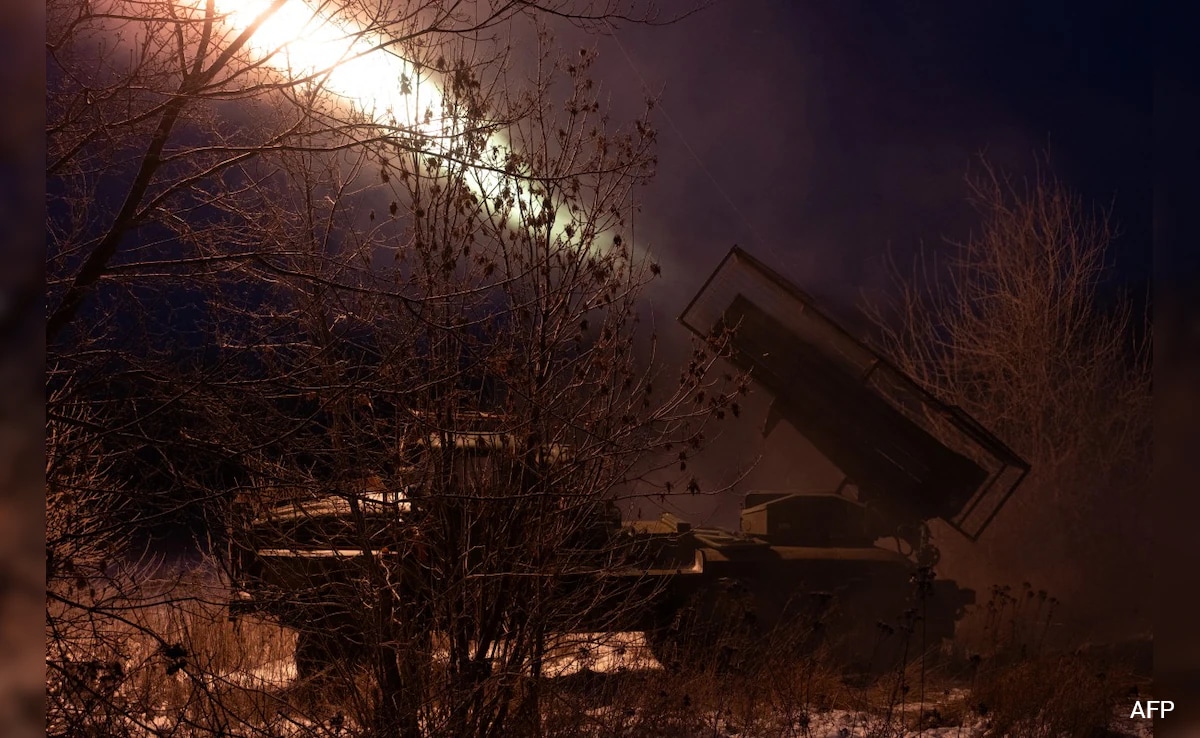
The 2026 budget is where the cracks really show. Russia is planning to spend roughly 13 trillion rubles on its military this year. That’s about 30% of the entire state budget. If you add in "national security" (police and domestic intelligence), you're looking at nearly 40% of all government spending dedicated to the war machine.
Where’s that money coming from? It’s not just oil.
- The Tax Hike: They’ve pushed the VAT rate up by 2% specifically to fund the military.
- Borrowing: Since they can’t access Western capital markets, they’re leaning on domestic banks. This has pushed the debt servicing costs to nearly 9% of the budget—double what it was in 2021.
- Social Cuts: Healthcare and education aren't just being ignored; they're being raided. Pre-war, social programs were about 38% of spending. Now? They’ve plummeted to around 25%.
It’s a classic "guns vs. butter" trade-off, and the Kremlin has picked guns every single time.
The Hidden Cost of "Growth"
You’ll hear talking heads mention that the Russian GDP is growing. That’s technically true, but it’s the worst kind of growth. When you pay a factory to build a tank that gets blown up in a week, you’ve increased GDP, but you haven't added anything to the economy’s long-term health.
This is "war-driven industrialization." Production in sectors tied to the military is up 50% compared to 2021. Meanwhile, the civilian sectors—the stuff you and I actually buy—are stagnating. Inflation is hovering around 6% despite the central bank keeping interest rates at a staggering 15.5%.
Think about that. If you're a Russian business owner trying to take out a loan for a new bakery or a tech startup, you’re paying 16-18% interest while your labor pool is disappearing into the army or fleeing the country. It’s a recipe for a long-term structural collapse, even if the headline GDP number looks okay for now.
Can China and India Save Them?
Russia has essentially bet the house on the "Pivot to the East." In the first quarter of 2026, a massive 90% of their crude oil went to just two countries: China and India.
China is the big winner here. They’re getting Russian oil at a discount—often $15 to $20 below global benchmarks—and selling Russia everything from microchips to cars. But this isn't a partnership of equals. Russia is becoming a resource colony for Beijing. They’re structurally dependent on Chinese intermediaries to smuggle in the Western tech they need for their missiles and factories. If China decides to squeeze, Russia has nowhere else to go.
The Ticking Clock of 2026
The stress isn't just "hidden"—it's being actively managed through accounting tricks and the depletion of the National Wealth Fund (NWF). The liquid portion of that fund has been shrinking for years.
Russia isn't going to wake up tomorrow and find its bank account empty. Instead, it’s going through a slow-motion degradation.
- Infrastructure Decay: Money meant for fixing pipes and power grids is going to artillery shells. Expect more "accidental" blackouts and heating failures in Russian cities.
- Labor Crisis: With record-low unemployment (because everyone is at the front or in a munitions plant), wages are being forced up, which fuels even more inflation.
- Technological Isolation: They can't maintain their planes, their high-speed trains, or their medical equipment without Western parts.
If you're looking for signs of real trouble, don't watch the GDP. Watch the inflation rate and the size of the budget deficit. The Russian government ran a deficit of 5.6 trillion rubles in 2025—the largest since the 90s. Early 2026 data shows that gap is only widening.
The Kremlin is essentially running a "burn rate" strategy. They’re hoping the West tires of the war before their own economy hits the wall. They’ve shown they’re willing to sacrifice the Russian middle class and the country’s 2030s prospects just to survive 2026.
Stop looking for a "collapse." Look for the "hollow-out." Russia is becoming a state that can produce 1,000 tanks a year but can't ensure its citizens have reliable heating or affordable medicine. That’s the real economic stress, and it’s getting harder to hide every month.
Check the latest inflation reports from Rosstat—even their sanitized data shows the pressure. If you're tracking the ruble, watch the "unofficial" exchange rates in Telegram channels; they often tell a much more honest story than the official Moscow Exchange.