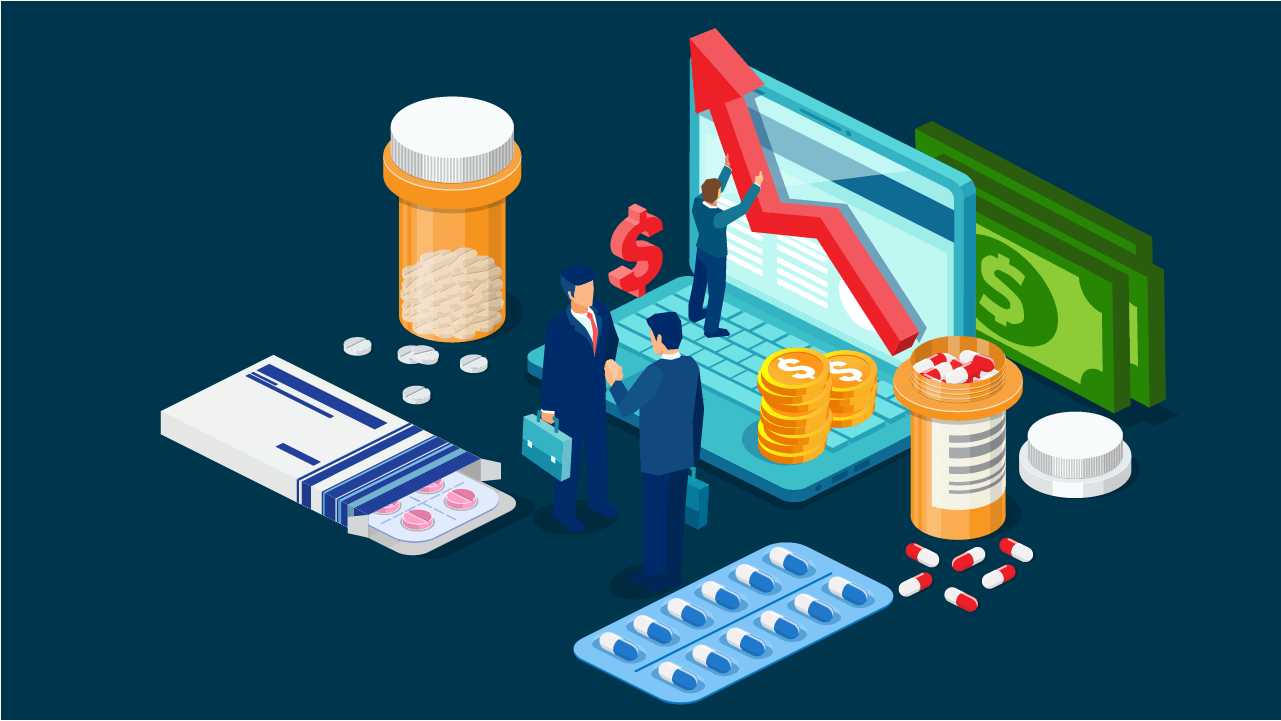
The global drug supply chain is currently facing its most significant crisis of trust as Maiden Pharmaceuticals attempts a quiet resurrection following the 2022 tragedy in The Gambia. Sixty-six children died after consuming cough syrups contaminated with ethylene glycol and diethylene glycol—industrial chemicals that essentially acted as a death sentence for their kidneys. Despite the international outcry and a "stop production" order from Indian regulators, the company did not simply evaporate. It underwent a tactical retreat, utilizing a complex web of legal loopholes and rebranding strategies to prepare for a return to the market.
This isn't just a story about one rogue manufacturer. It is a searing indictment of a regulatory framework that allows a company to shut its doors under the weight of a mass-casualty event and reopen them under a different name or within a different jurisdiction before the victims' families have even finished their mourning. Meanwhile, you can find related stories here: The Red Envelope in the Rearview Mirror.
The Anatomy of a Regulatory Failure
When the World Health Organization (WHO) issued its global alert regarding Maiden’s products, the evidence seemed insurmountable. Laboratory analysis confirmed "unacceptable amounts" of toxic contaminants. In any other high-stakes industry, such a finding would result in an immediate, permanent ban and criminal prosecutions that would dismantle the corporate structure entirely. Instead, the Indian government eventually provided a "clean chit" to the manufacturer, citing their own internal tests which, conveniently, did not find the toxins reported by the WHO.
This disconnect highlights a terrifying gap in international drug safety. National regulators often feel pressured to protect their domestic manufacturing reputation, especially in an "at-home" industry as massive as India’s pharmaceutical sector. By prioritizing the "Pharmacy of the World" brand over strict accountability, the system essentially incentivizes reckless cost-cutting. To understand the complete picture, check out the recent analysis by Bloomberg.
The process of "vanishing" is a well-documented corporate maneuver. A company facing massive liability or a shredded reputation stops operations at its primary site. It settles small fines. It waits for the news cycle to move on. Meanwhile, the principals behind the company shift assets to shell corporations or sister concerns. When Maiden’s Sonepat plant was shuttered, it wasn't the end of the road; it was merely a pause.
The Rebranding Shell Game
Rebranding is the ultimate tool for the disgraced. For Maiden Pharmaceuticals, this doesn't always mean a new logo on the old building. It often involves the transfer of manufacturing licenses to "contract manufacturers" or newly registered entities where the original owners hold silent stakes.
Investors and owners don't disappear; they just change their business cards. We see this across the chemical and drug industries repeatedly. When a facility is flagged for gross negligence, the machinery is often sold or moved to a new site under a different name—sometimes just a few miles away. This "phoenixing" of companies allows the same individuals responsible for the initial negligence to continue operating without the baggage of their previous failures.
The danger here is that the manufacturing process itself—the source of the contamination—rarely changes. If a company used sub-standard, industrial-grade solvents instead of pharmaceutical-grade propylene glycol to save money in 2022, there is no structural guarantee they won't do it again under a new name in 2026. The greed that drove the first disaster remains the core operating principle.
The Economics of Toxic Syrups
Why does this keep happening? The answer is brutally simple: The cost of compliance is higher than the cost of a fine.
Propylene glycol is a common solvent used in liquid medicines. The pharmaceutical-grade version is expensive. Diethylene glycol (DEG) is a byproduct that is significantly cheaper but highly toxic to humans. Unscrupulous manufacturers often fail to test their raw materials, or worse, knowingly purchase "commercial grade" solvents that are contaminated with DEG.
Breaking Down the Cost of Negligence
- Pharmaceutical Grade Propylene Glycol: Subject to rigorous testing, high purity standards, and expensive logistics.
- Contaminated/Industrial Grade Solvents: Often sourced from the secondary market with forged certificates of analysis.
- The Savings: A manufacturer can save thousands of dollars per batch by skipping purity tests or using industrial alternatives.
- The Risk: Acute kidney injury, permanent neurological damage, and death.
For a company operating on thin margins in a highly competitive export market, those savings represent the difference between profit and loss. When the regulatory oversight is thin and the penalties are non-existent, the math favors the toxin.
The Loophole in Export Only Manufacturing
A significant portion of the Maiden Pharmaceuticals controversy stems from a specific regulatory blind spot. Many manufacturers produce drugs specifically for export to low-income and middle-income countries. These products are often not sold in the country of origin, meaning they do not undergo the same level of domestic scrutiny as drugs meant for local consumption.
This creates a two-tiered system of global health. Wealthier nations with robust regulatory bodies like the FDA or EMA have the resources to inspect foreign plants before allowing imports. Smaller nations, like The Gambia or Uzbekistan, rely on the "certificates of pharmaceutical product" issued by the exporting country’s regulator. When that regulator fails to do its job, the importing nation is left defenseless.
The "vanishing act" of Maiden is a symptom of this imbalance. The company knew that as long as it wasn't killing people at home, the domestic political pressure to permanently shutter their operations would be minimal. They were right.
Why a Clean Chit is Not a Clean Record
The term "clean chit" has become a shield for the negligent. In the context of the Maiden investigation, the Indian authorities claimed their samples did not show contamination. However, independent investigators have pointed out that the samples tested by the government were not from the same batches that killed the children in Africa.
Testing "control samples" kept at the factory is not the same as testing the actual poison that landed on pharmacy shelves. It is a classic sleight of hand. By clearing the company based on unrelated batches, the regulators provided the legal cover necessary for the owners to begin the process of rebranding and restarting.
This bureaucratic shielding effectively gaslights the victims. It suggests that the WHO and the Gambian health authorities were either mistaken or part of a conspiracy to malign the Indian pharma industry. It shifts the blame from the manufacturer to the "circumstances," allowing the corporate entity to emerge unscathed.
Tracking the Ghost Entities
To see where Maiden is going, you have to look at the family and the associates. The pharmaceutical industry is built on networks. Even if "Maiden Pharmaceuticals Ltd" becomes a toxic brand, the licenses held by family members in other companies remain active. These companies can "lease" their capacity or act as fronts for the original owners' operations.
Investors should be wary of any newly formed pharmaceutical export firms coming out of the Haryana industrial belt that share board members or address history with the Maiden group. The trail is often obscured by layers of holding companies, but the manufacturing DNA—the suppliers, the chemists, and the lack of quality control—often remains identical.
The Failure of International Law
There is currently no international criminal court for corporate negligence. If a company kills dozens of children across a border, the legal recourse for the families is almost zero. They cannot easily sue in the manufacturer's home country, and the manufacturer has no assets in the victims' country to seize.
This lack of consequences is what allows the "vanishing act" to be so successful. Without a global enforcement mechanism that can pierce the corporate veil and hold individual directors personally and criminally liable for cross-border deaths, the cycle will repeat. Today it is Maiden; tomorrow it will be another firm with a different name but the same disregard for human life.
The international community must move beyond "alerts" and "warnings." There must be a mandatory, centralized database of pharmaceutical manufacturers that tracks not just company names, but the individuals behind them. If a director presided over a company that produced lethal medicine, that individual should be barred from the industry for life, regardless of what new company they form.
Steps for a Safer Supply Chain
The burden of safety currently rests on the weakest links in the chain. To stop the return of companies like Maiden under different guises, the following changes are non-negotiable:
- Mandatory Third-Party Testing: Every batch of high-risk liquid medication (syrups, suspensions) exported to developing nations must be tested by an independent, WHO-certified lab at the port of exit.
- Universal Batch Transparency: A blockchain-based or publicly accessible ledger where every bottle of medicine can be traced back to its raw material suppliers.
- Criminal Liability for Executives: National laws must be updated to ensure that "corporate manslaughter" charges can be brought against executives when negligence leads to mass death, regardless of where the deaths occur.
- End the Export-Only Exception: Regulators must apply the same quality standards and inspection frequencies to export-only plants as they do to those producing drugs for the domestic population.
The rebranding of Maiden Pharmaceuticals is a test of the global health community’s memory. If the company is allowed to resume operations through its subsidiaries or rebranded entities without a total overhaul of its quality control and a full admission of past failures, the message sent to the industry is clear: Human life is a line item, and a few dozen deaths are just a temporary cost of doing business.
The parents in The Gambia are still waiting for justice. The "vanishing act" of the perpetrators is not a sign of innocence; it is a confession of guilt. Every time a disgraced manufacturer is allowed to reappear under a new name, the integrity of the entire medical profession is diluted. We must stop treating these tragedies as "incidents" and start treating them as the crimes they truly are.
Identify the owners. Track the licenses. Block the new entities. There is no room for ghosts in the pharmacy.