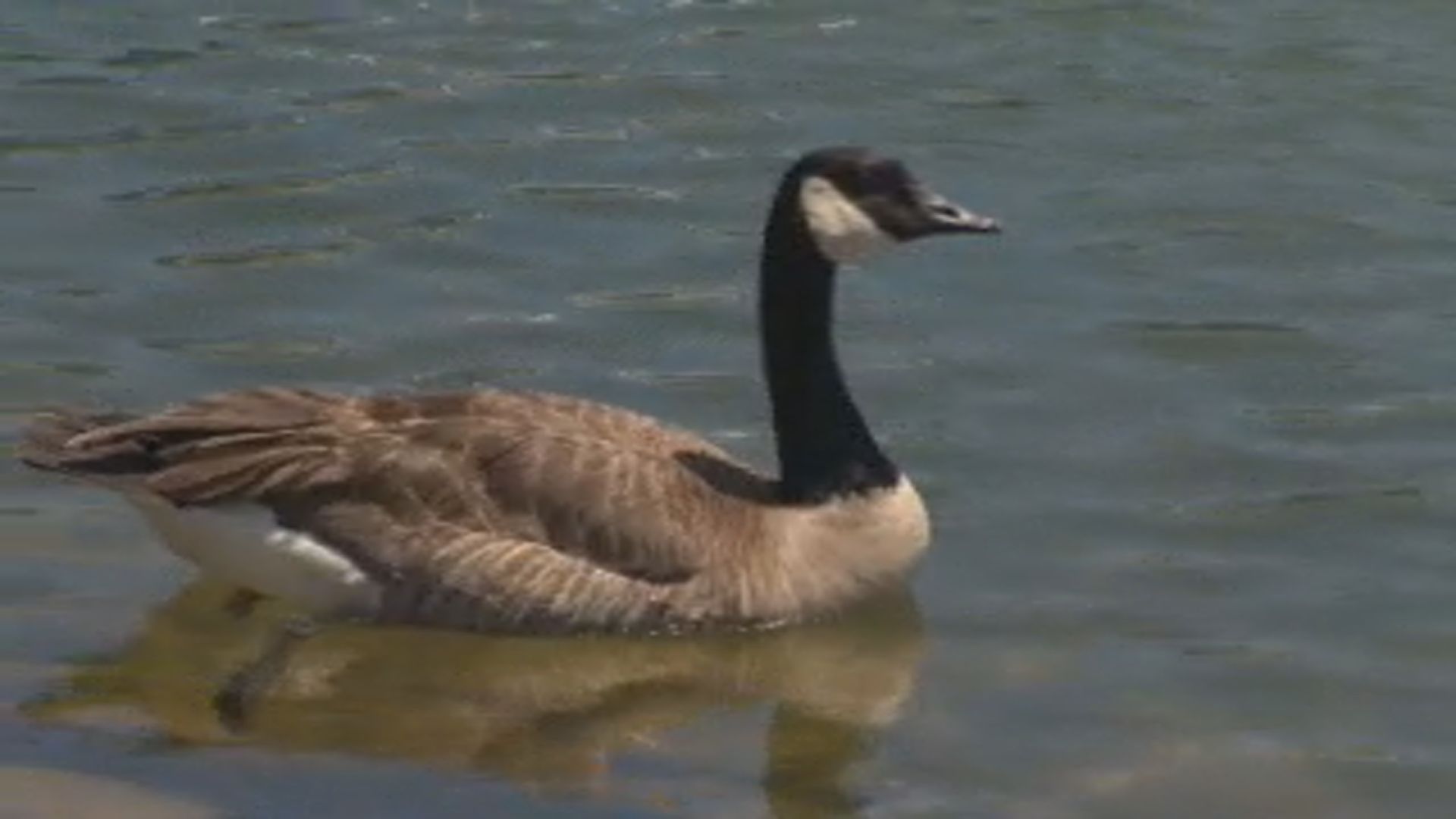
The headlines are predictable. They are designed to trigger your limbic system, not your logic.
A teenager in Winnipeg drives over a gaggle of geese. The internet erupts. Charges of animal cruelty are filed. The public demands a pound of flesh, or at least a revoked license and a permanent scarlet letter. The narrative is set: a "callous youth" vs. "innocent nature." For another perspective, read: this related article.
It is a comfortable story. It is also a dangerous oversimplification that ignores the cold reality of urban wildlife management, the mechanics of vehicle safety, and the hypocritical way we assigned value to life based on how "cute" a creature looks on a postcard.
The Myth of the Innocent Obstacle
We have been conditioned to view urban wildlife through a Disney lens. In this fantasy, the Canada Goose is a majestic symbol of the wilderness. In reality, in a city like Winnipeg, they are an overpopulated, aggressive, and nitrogen-dumping invasive presence that creates significant road hazards. Similar coverage on the subject has been provided by USA Today.
When a driver—especially an inexperienced one—encounters a biological roadblock, the "moral" choice often clashes with the "survival" choice. We tell new drivers to avoid swerving for small animals. Why? Because swerving into oncoming traffic or a concrete median to save a bird results in human fatalities.
Yet, the moment a driver actually follows the physics of the road and maintains their lane, we pivot to a criminal prosecution. We are essentially telling teenagers: "Risk a head-on collision or face a felony."
Cruelty vs. Kinetic Energy
The "animal cruelty" charge hinges on intent. To prove cruelty, the prosecution must demonstrate a "willful neglect" or a "desire to cause pain."
Here is what the armchair experts miss: kinetic energy does not care about your feelings. At 50 km/h, a 4,000-pound vehicle is a blunt force instrument. If a flock refuses to move—and Canada Geese are notorious for their stubborn, "stand-your-ground" evolutionary trait—the outcome is predetermined.
I have spent years analyzing urban infrastructure and the ways humans interact with increasingly bold wildlife populations. I have seen municipal budgets drained by "goose deterrents" that don't work, while the actual risk to motorists is swept under the rug. Labeling this specific incident as a high-profile criminal act is a distraction from the fact that our cities are failing to manage these populations effectively.
The Hierarchy of Hypocrisy
Let’s be brutally honest about the "cruelty" we tolerate.
- The Agricultural Double Standard: We slaughter millions of birds in industrial settings under conditions that would make a Winnipeg goose look like it’s living in a five-star resort. No one is being charged with a crime there because it’s "efficient."
- The Pest Control Paradox: If a homeowner uses poison to kill rats or traps to remove pigeons, we call it maintenance. If a car hits a goose, we call it a tragedy.
- The Selective Empathy Loop: If the teenager had run over a swarm of wasps or a nest of rats, there would be no news cycle. There would be no charges. We are prosecuting a driver based on the aesthetic appeal of the victim, not the legality of the action.
The Danger of Emotional Sentencing
When we allow public outrage to dictate the severity of a charge, we degrade the legal system. The "People Also Ask" section of your brain probably wants to know: "Shouldn't he have just braked?"
In a perfect vacuum, yes. In a real-world scenario with tailgating vehicles, slick Winnipeg roads, and a split-second decision window, braking can be just as lethal as swerving.
By charging this driver with animal cruelty rather than a simple traffic violation, the authorities are engaging in performative justice. They are feeding the mob because it’s easier than addressing the nuance of urban-wildlife conflict.
Why You Are Asking the Wrong Question
You are asking: "How could he do this?"
You should be asking: "Why are we allowing high-traffic corridors to become uncontrolled breeding grounds for territorial birds that don't fear vehicles?"
We have created an environment where animals have lost their natural fear of humans, leading to inevitable collisions. Then, we act shocked when those collisions happen. It is the height of urban arrogance to believe we can live in a paved jungle without the laws of nature—and physics—occasionally asserting themselves.
The Actionable Truth
If you want to actually "save the geese," stop protesting a teenager.
- Demand Habitat Modification: Stop planting the exact type of short-cropped grass that geese love next to high-speed roads.
- Support Culling Programs: It’s the word no one wants to say, but professional population management is more humane than letting birds get crushed by SUVs.
- Prioritize Human Predictability: We need to teach drivers that their primary responsibility is to the humans inside and outside the car, not the fowl in the middle of it.
Stop pretending this is a moral failing. This was an inevitable outcome of poor urban planning and the biological reality of an overpopulated species meeting a two-ton machine.
If you want to be "cruel," keep ignoring the data and keep encouraging drivers to swerve. Eventually, you’ll be mourning a person instead of a bird.
Fix the infrastructure. Manage the population. Leave the teenager alone.