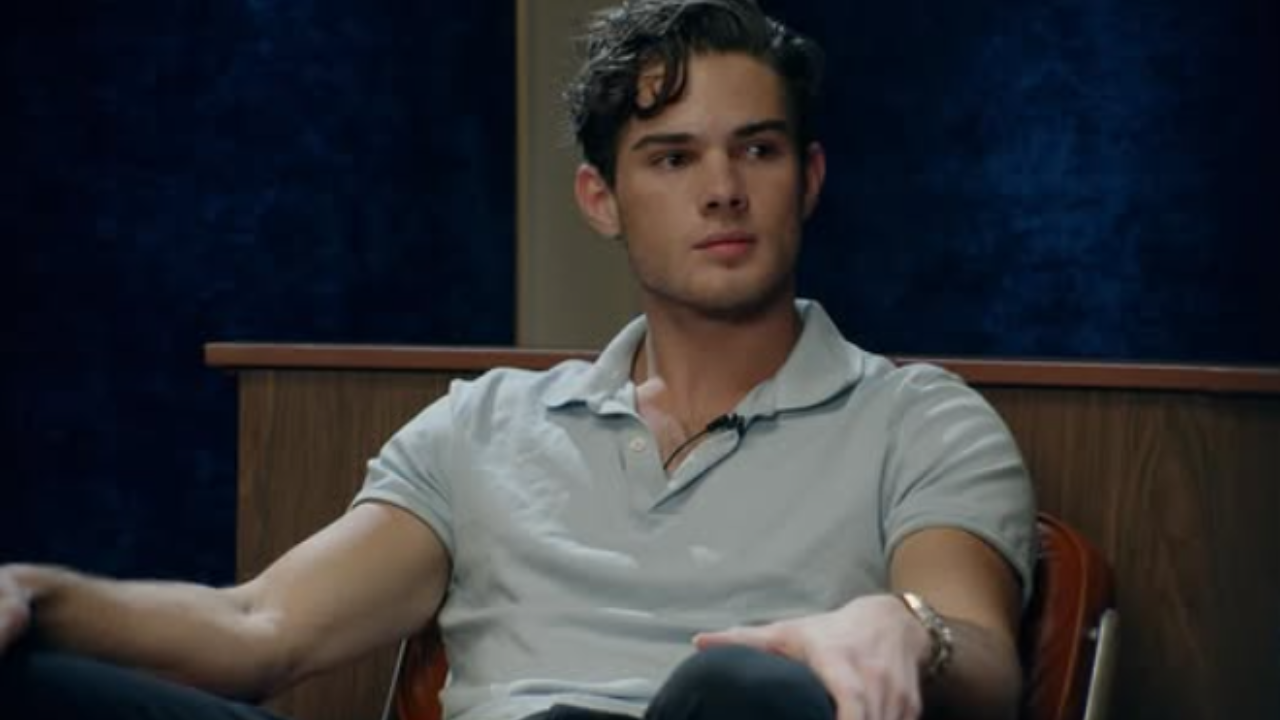
The headlines are efficient. They are clean. They are also dangerously reductive. When prosecutors allege that David Anthony Burke, known to the world as the breakout indie-pop sensation D4vd, murdered a 14-year-old girl named Celeste Rivas Hernandez to "silence" her, the public appetite for a stereotypical true-crime thriller is immediately satisfied.
But if you are following the standard "fame-hungry star turns killer" script, you are being sold a narrative convenience.
We see this pattern every time a celebrity is adjacent to a tragedy. The media industry operates on a "consensus of sensation." They take a complex, likely fractured psychological or situational reality and sandpaper it down into a digestible motive. In this case, the motive is "silence." It’s a classic trope. It suggests a calculated, Machiavellian chess move by an artist protecting a brand.
The problem? Real life rarely mirrors a Netflix screenplay. By focusing on the "silence" narrative, we are missing the systemic breakdown of the industry's duty of care and the terrifying reality of how digital fame collides with private instability.
The Myth of the Calculated Silence
Prosecutorial strategies are designed to win cases, not to provide nuanced psychological portraits. By framing this as a murder to "silence" a victim, the state creates a linear, easy-to-prove motive for a jury. It implies a cost-benefit analysis: the victim's life versus the artist's career.
I’ve spent years navigating the backend of the music industry. I’ve seen how PR machines handle "silencing." They use NDAs. They use payouts. They use aggressive legal intimidation. They use digital scrubbing. In the hyper-manicured world of modern pop, actual physical violence is the most inefficient, irrational, and self-destructive way to "silence" a threat to a career.
To believe the "silence" motive is to believe that a 20-year-old artist—one who built his career on bedroom-pop vulnerability and Gen Z relatability—suddenly pivoted to the tactics of a 1920s mob boss. It doesn't track.
What we are likely looking at isn't a calculated "silencing," but a catastrophic, unmanaged psychological collapse. But "psychological collapse" doesn't generate the same clicks as "Murder to Protect Fame."
The Industry’s Blood on the Tracks
Everyone wants to talk about the defendant. Nobody wants to talk about the infrastructure.
D4vd's rise was meteoric. We are talking about billions of streams, TikTok ubiquity, and a sudden transition from a teenager making songs in his closet to a global commodity. When an artist ascends that fast, they are no longer a person; they are an asset.
The industry is excellent at monetizing talent. It is abysmal at managing the human being attached to it.
- The Isolation Factor: High-level fame at a young age creates a vacuum.
- The Yes-Men Echo Chamber: When you are the primary revenue stream for a dozen people, nobody tells you "no," and nobody tells you to get help.
- The Surveillance State: Young artists live under a microscope where every interaction is a potential PR landmine.
If the allegations are true, this wasn't a "hit" to save a career. It was the terminal point of a pressure cooker that the industry ignored because the music was still selling. We saw it with the SoundCloud rap era—a graveyard of young men whose mental health was traded for "aesthetic" and "edge."
Redefining the Victim’s Reality
The "People Also Ask" sections of the internet are currently obsessed with the relationship between Burke and Hernandez. They want to know the "why" because they want to feel safe in their own consumption of his music.
The question shouldn't be "Why did he want to silence her?"
The question should be: "How did a 14-year-old end up in the orbit of a 20-year-old superstar in a way that resulted in her death?"
By focusing on the "silence" motive, the media shifts the focus away from grooming and power dynamics. "Silence" implies that she had a secret that could hurt him. It subtly shifts some of the weight onto the victim’s knowledge rather than the perpetrator's actions. It frames her as a "threat" to his career.
Let’s be brutally honest: A 14-year-old girl is not a threat to a global music career. She is a child. The narrative that she needed to be "silenced" is a way of adultifying the victim to make the crime fit a standard legal motive. It’s a disgusting, yet common, tactic in high-profile criminal cases.
The "Romanticized Tortured Artist" Fallacy
We have a cultural sickness where we equate artistic genius with instability. We’ve done it for decades. We did it with Cobain, we did it with Winehouse, and now we do it with the "e-boy" melancholia of artists like D4vd.
His music—dark, moody, obsessed with heartbreak and isolation—provided the soundtrack to this tragedy. Now, fans are scouring his lyrics for "clues," as if he were a Riddler-style villain leaving breadcrumbs.
This isn't an ARG. This isn't a concept album. This is a dead child and a shattered family.
The contrarian truth here is that his music didn't "predict" this, nor did it "cause" it. His music was a product. The tragedy is a reality. Conflating the two is a form of entertainment that cheapens the loss of life. If we continue to treat these trials like fandom discourse, we deserve the hollow justice system we get.
Stop Looking for Logic in the Illogical
The legal system requires a motive because jurors need a "story" to vote "guilty." But the "silence" story is a placeholder.
Imagine a scenario where the motive isn't a career-saving play. Imagine a scenario where the motive is nothing more than a series of impulsive, horrific choices fueled by a complete lack of accountability and a warped sense of reality. That is far more terrifying than a "silencing" plot. It means it could happen anywhere, with any idol, at any time.
The industry likes the "silence" narrative because it keeps the blame on the individual's "evil" intent. If the motive is "unchecked instability and systemic failure," then the industry might actually have to change how it manages young stars.
The prosecution wants a monster. The media wants a thriller. The public wants a villain.
None of those things will bring Celeste Rivas Hernandez back. And none of them will stop the next "bedroom pop" star from spiraling into a void that the industry is more than happy to film and sell back to us.
The media isn't reporting on a trial. They are participating in the final act of a marketing campaign for a tragedy they helped build.
Stop buying the script.