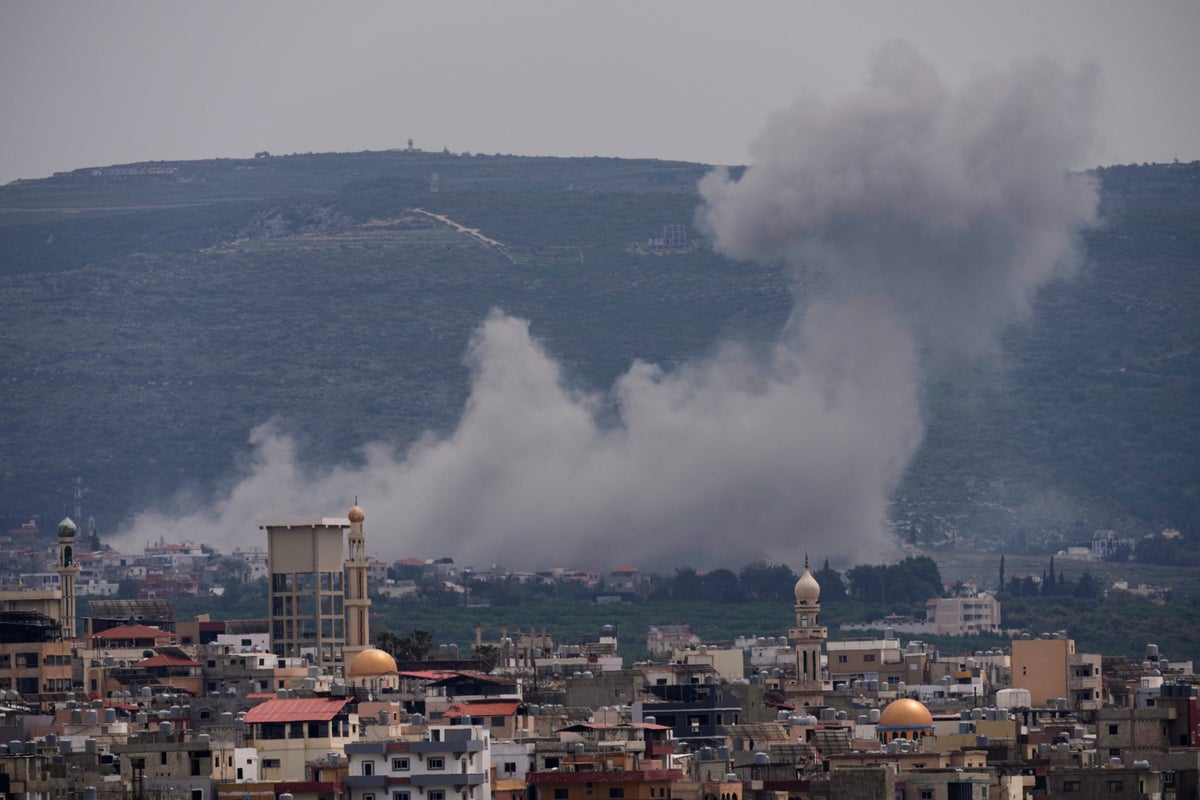
Ten days. That's how long the Lebanon ceasefire has survived. While skeptics expected the deal to crumble within forty-eight hours, the silence of the guns across the Blue Line suggests something different is happening this time. It isn't just about a pause in the fighting. It’s a desperate attempt to reset the regional board while European leaders scramble to keep the Mediterranean from sliding into a broader maritime crisis.
People want to know if they can go home. They want to know if this is a permanent peace or just a chance for both sides to reload. Right now, the answer is a messy "both." While families are returning to the ruins of their villages in Southern Lebanon, the diplomatic machinery in Europe is grinding into high gear to address a secondary threat—a brewing standoff over international shipping straits.
Why this 10 day window changed the math
Usually, these agreements are violated before the ink dries. This time, the Lebanese Armed Forces (LAF) have actually started moving. Their deployment to the south is the backbone of the deal. Without them, the power vacuum would be filled by the same friction that started the fire. Israel is watching from the border, keeping its finger on the trigger, but the lack of major skirmishes shows a rare, begrudging respect for the current terms.
The ceasefire isn't built on trust. It’s built on exhaustion. Lebanon's economy is in shreds. Israel's northern communities are demanding a return to normalcy. When both sides have more to lose by fighting than by sitting still, you get a window of opportunity. But a window isn't a door. You still have to walk through it.
We’ve seen these "pauses" before. In 2006, Resolution 1701 was supposed to be the fix. It failed because it wasn't enforced. The current 10-day streak is significant because it’s being monitored with a level of scrutiny we haven't seen in a decade. International observers are counting every truck and every patrol.
European leaders take the stage
While the border stays quiet, the political centers of Europe are anything but. Leaders from France, Germany, and the UK are preparing for an emergency summit. Why? Because the conflict has a nasty habit of leaking into the sea. Specifically, the straits that feed the world's supply chains.
The "strait" in question isn't just a geographical point. It’s a choke point. If the Lebanon ceasefire holds, it provides the diplomatic cover needed to secure these waterways. European nations are terrified of a scenario where maritime trade becomes the next theater of war. They’re not just meeting to talk about Lebanon; they’re meeting to protect their own ports and grocery prices.
Energy security is driving this. You can't separate the politics of the Levant from the flow of gas and oil. If the ceasefire collapses, the risk to shipping triples overnight. The European summit is a frantic effort to create a "security ring" that prevents local militias from targeting commercial vessels. It’s about keeping the Suez and the surrounding waters open for business.
What's actually happening on the ground
You see the headlines, but the reality is much more granular. In the south, the LAF is trying to establish a presence in towns that haven't seen a government uniform in years. It’s a logistical nightmare. They lack fuel. They lack equipment. They’re basically doing the world’s most dangerous job on a shoestring budget.
- The Return: Thousands of displaced Lebanese are clogging the roads. They’re heading back to homes that might not have roofs.
- The Buffer: Israel has maintained a "wait and see" posture, but their drones are still a constant presence. The surveillance hasn't stopped.
- The Monitoring: The US-led committee overseeing the truce is already fielding complaints from both sides about minor technical violations.
I’ve seen how these situations play out. One stray mortar or a misunderstood patrol can ignite the whole thing. The fact that we’ve hit ten days without a major incident is a miracle of restraint. Or maybe it’s just that everyone is too tired to pull the trigger.
The maritime threat nobody is ignoring
Europe's focus on the strait isn't a distraction. It's the main event for their domestic audiences. If you live in London or Paris, a border dispute in the Middle East feels far away until the price of gas spikes because a tanker was harassed.
The upcoming summit will likely result in an increased naval presence. We’re talking about "freedom of navigation" operations. It’s a fancy way of saying they’re sending warships to make sure nobody gets ideas about blocking trade routes. This is the part of the story the 10-day ceasefire enables. Without the lull in Lebanon, the naval escalation would look like a preparation for war. With the ceasefire, it looks like "stabilization."
Risks that could break the streak
Don't get too comfortable. Ceasefires are fragile. There are three major things that could blow this apart by tomorrow morning.
First, the "spoiler" effect. There are factions that don't benefit from peace. If a rogue element decides to launch a rocket, the Israeli response will be massive and immediate. The deal has a "zero tolerance" policy that is actually quite dangerous. It means there’s no room for error.
Second, the lack of aid. If the people returning to Southern Lebanon don't get food, water, and electricity, they’ll turn on the government that told them it was safe to return. Poverty is a great recruiter for instability. The international community is promising money, but promises don't rebuild bridges.
Third, the ambiguity of the "strait" negotiations. If the European summit ends with aggressive military posturing in the Mediterranean, it could provoke the very actors the ceasefire is trying to calm. It’s a delicate balancing act between showing strength and showing restraint.
The hard truth about the next 48 hours
The next two days are more important than the last ten. We’re entering the phase where "temporary" needs to become "permanent." This requires the Lebanese government to prove it can actually control its own territory—something it hasn't done effectively in decades.
If you’re watching this, don't look at the big political speeches. Watch the troop movements. Watch the checkpoints. If the Lebanese Army stays put and the Israeli Defense Forces continue to hold their positions, we might actually be looking at a fundamental shift in the region.
The European leaders meeting over the strait will likely announce a new maritime task force. This isn't just about Lebanon anymore. It’s about drawing a line in the sand—and the water—to say that the era of "controlled chaos" is over. Whether the actors on the ground agree is another story.
What to do now
Keep a close eye on the official statements from the European summit. If they mention "maritime corridors" or "increased patrols," expect insurance rates for shipping to fluctuate. For those following the Lebanon situation, the key metric is the number of Lebanese Army troops successfully stationed south of the Litani River. If that number keeps growing, the ceasefire has a real chance. If it stalls, the 10-day streak will be nothing more than a historical footnote.
Stop waiting for a "grand peace." Look for the small, boring signs of stability. Those are the ones that actually last. Watch the roads and the ports. That’s where the real story is written.