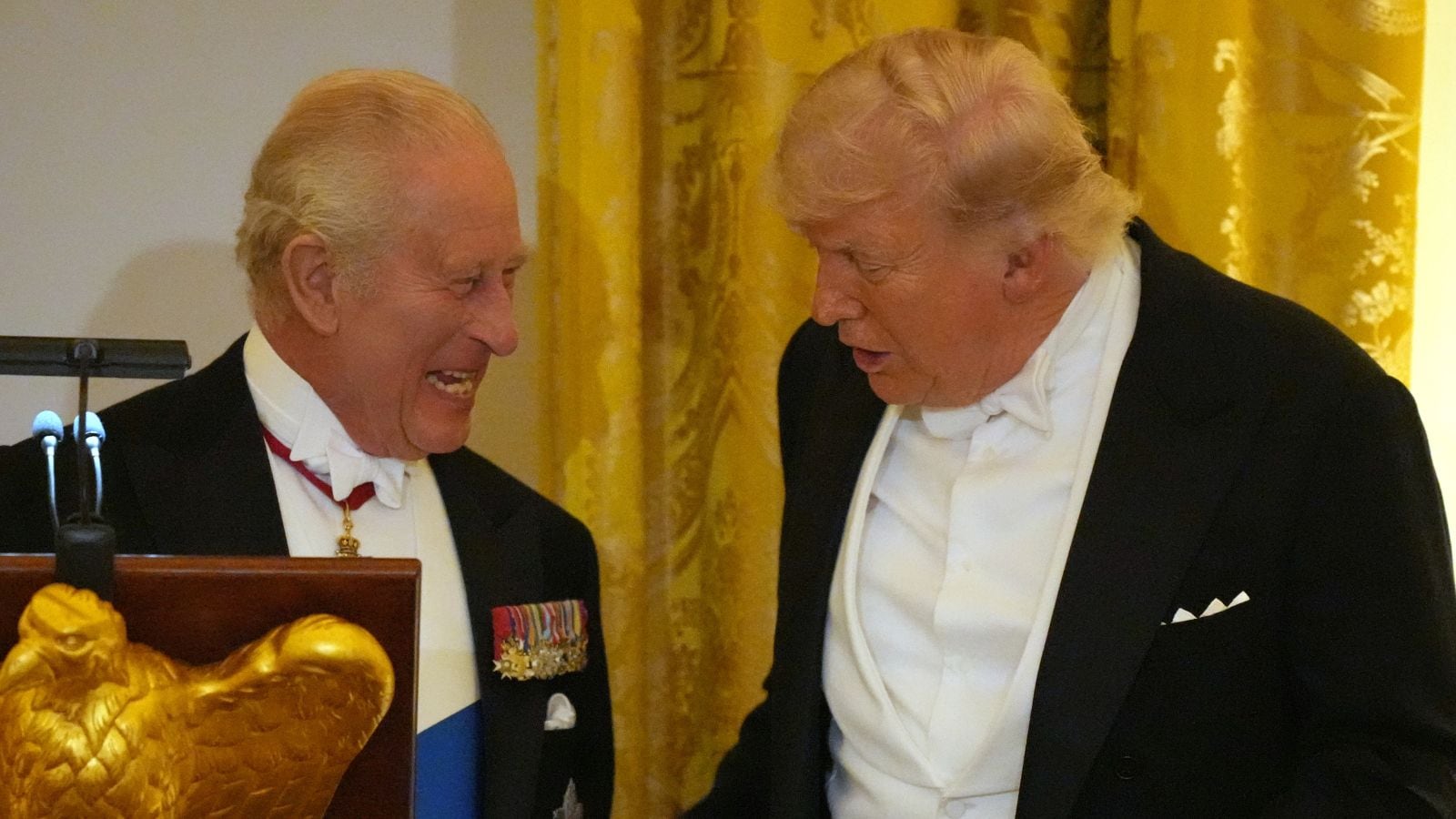
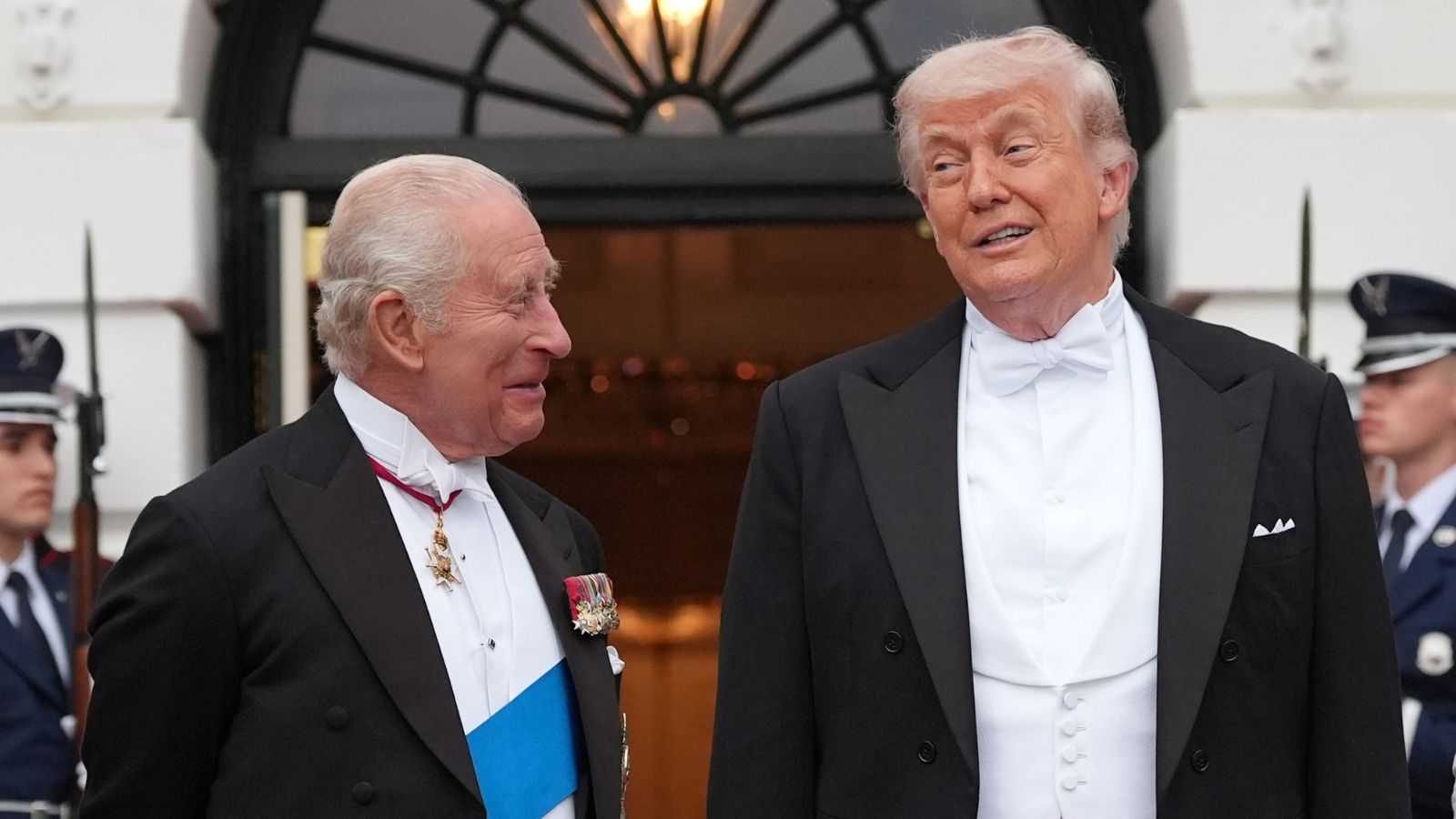
The idea that Americans would all be speaking French if the British hadn't stepped in is a classic bit of historical chest-thumping. It's the kind of line King Charles III has been known to drop with a dry, royal wink during diplomatic visits. It makes for a great headline. It ruffles a few feathers. But when you peel back the layers of that royal wit, you find a messy, complicated history of how the United States actually became an English-speaking power. Most people think the "French" comment is just a joke about the Seven Years' War. It's actually a window into a centuries-old rivalry that shaped everything from your legal system to the coffee you drank this morning.
King Charles III doesn't just visit the US for the photo ops. He carries the weight of a relationship that started with a bitter divorce and turned into a global partnership. When he makes these remarks, he's leaning into a specific brand of British "soft power" that reminds the world where the foundations of modern America actually come from. Read more on a related subject: this related article.
The Seven Years War and the French Threat
Most Americans learn about the Revolution, but they skip the preamble. Before George Washington was a rebel, he was an officer for the British Crown. The conflict we're talking about is the Seven Years' War, known in the States as the French and Indian War. By the mid-1750s, France had a massive presence in North America. They controlled the interior, from the mouth of the St. Lawrence River down to New Orleans. They had the Ohio River Valley. They had the alliances.
If Britain hadn't poured massive amounts of blood and treasure into that conflict, the map of North America would look unrecognizable. The British victory in 1763 effectively kicked the French government out of the continental mainland. That's the historical basis for the King's quip. It's not just a brag. It's a fact that the British military presence was the only thing standing between the thirteen colonies and a French-dominated interior. Additional analysis by Associated Press highlights similar perspectives on this issue.
But here’s the kicker. Britain went into massive debt to win that war. To pay off those debts, they started taxing the colonies. You know what happened next. The very war that saved the colonies from "speaking French" was the spark that led to the American Revolution. History loves a good irony.
Why the King’s Wit Still Works
Charles isn't his mother. Queen Elizabeth II was the master of the "neutral smile." She rarely deviated from the script. Charles, however, has always been more comfortable with a bit of edge. His humor serves a purpose. By joking about American history, he bridges the gap between being a formal head of state and a relatable figure.
When he suggests that Americans owe their language to his ancestors, he isn't actually trying to reclaim the colonies. He's reinforcing the "Special Relationship." It's a reminder that despite the tea in the harbor and the war of 1812, the cultural DNA of both nations is intertwined.
It’s also a bit of a poke at the French. The Anglo-French rivalry didn't end in 1763 or at Waterloo. It lives on in these diplomatic jabs. For a British monarch, there’s no better way to bond with an American audience than by lightheartedly reminding them who their "real" friends were during the colonial land grabs.
More Than Just Language
English isn't the only thing the British left behind. We talk about the language because it's obvious. You’re reading this in English right now. But the deeper influence is in the "invisible" structures.
The American legal system is built on English Common Law. That’s why we have trials by jury and the concept of precedent. Our political philosophy—the ideas of John Locke that Thomas Jefferson "borrowed" for the Declaration of Independence—is rooted in British Enlightenment thought. When the King visits, he’s a living symbol of those shared institutions.
The Economic Reality
British investment essentially built the early American infrastructure. After the Revolution, British capital flooded into US railroads and factories. We fought for independence, but we stayed economically married for a long time. Even today, the UK remains one of the largest foreign direct investors in the US. The "speaking French" comment is a shorthand for a much larger reality: the US was built using British blueprints, even if we changed the locks on the doors.
Common Misconceptions About Royal Visits
People often think these trips are just about fancy dinners and waving from balconies. They aren't. They’re high-stakes branding exercises. Every speech is vetted. Every joke is calculated. When Charles mentions the French, he’s signaling that Britain still views itself as a key cultural and military partner.
Some critics argue that this kind of rhetoric is dated. They say it ignores the contributions of other cultures to the American melting pot. They aren't wrong. Spanish was spoken in the South and West long before the British arrived in many areas. Dutch influence in New York is massive. But in the context of the "West," the British-American axis is the one that defined the 20th and 21st centuries. Charles knows this. He’s playing to his strengths.
Why We Still Care What the King Says
The monarchy is a weird concept for Americans. We fought a whole war to get away from it. Yet, we're obsessed with it. Why? Because the King represents a sense of continuity that a four-year presidential term can’t match.
When Charles speaks in the US, he's speaking for a thousand years of history. His "French" joke works because it’s rooted in a shared past that both sides understand. It’s a bit of "inside baseball" for the Western world. It’s also a way to talk about power without being aggressive. It’s much easier to say "you’d be speaking French" than to say "we are your most important military ally in the NATO alliance."
The Real Legacy of 1763
If you want to understand the modern world, you have to look at the Treaty of Paris in 1763. It was the moment the British Empire became the dominant global force. It set the stage for the English language to become the "lingua franca" of global business, science, and the internet.
Without that victory, the United States might have been a collection of smaller, warring territories. You might have had a French-speaking Midwest, a Spanish-speaking South, and a tiny English-speaking coast. The King’s joke isn't just about language; it’s about the fact that Britain’s victory ensured the US would become a continental giant.
Don't let the polite tone fool you. These diplomatic visits are about maintaining influence in a world that’s changing fast. As the US looks toward the Pacific and handles domestic shifts, the British Monarchy uses history to keep the Atlantic connection relevant.
Next time you hear a royal making a crack about American history, look past the humor. Look at the map. Look at the law books. The influence is there, whether we like to admit it or not. If you’re interested in how this history still affects modern policy, start by looking into the "Five Eyes" intelligence alliance. It’s the modern version of that 18th-century partnership, and it’s a lot more than just a joke about language. Read up on the 1763 Proclamation Line if you want to see exactly where the tension between the Crown and the Colonists actually started. It’s the best way to see the real divide behind the royal smiles.