Tokyo is playing a game of pretend, and the international press is happy to provide the script. The standard narrative suggests Japan is a "neutral arbiter" or a "bridge-builder" in West Asia, utilizing its unique position as a US ally that maintains ties with Iran to de-escalate regional friction. This isn't just optimistic; it’s delusional.
Japan isn't "joining a diplomatic push." It is performing a choreographed ritual of relevance while the actual power dynamics of the region shift toward actors who aren't afraid to get their hands dirty. For decades, the Ministry of Foreign Affairs (MOFA) has leaned on the crutch of "energy security" to justify a toothless foreign policy that prioritizes polite meetings over tangible outcomes. If you think a series of phone calls between Tokyo and Tehran is sustaining a truce, you don't understand how power works in the Levant or the Gulf.
The Myth of the Honest Broker
The "honest broker" trope is the favorite shield of states that lack the military or political stomach for real intervention. Japan’s strategy is built on the false premise that neutrality equals influence. In reality, neutrality in the Middle East often equals invisibility.
When Japan’s leadership visits Riyadh or sends envoys to Cairo, they aren't bringing a new security architecture to the table. They are bringing business cards and a request to keep the tankers moving. This isn't diplomacy; it's high-level procurement. The "backchannel efforts" mentioned in hushed tones by bureaucrats are usually nothing more than message-passing—acting as a glorified courier for Washington because the US doesn't want to talk to certain parties directly.
The fundamental flaw? Influence requires leverage. Leverage comes from either the ability to protect or the ability to punish. Japan, bound by Article 9 and a cautious political culture, offers neither.
Crude Reality Beats Soft Power
Let’s talk about the 90%. That is roughly the portion of Japan’s crude oil that originates from the Middle East. This isn't a position of strength; it’s a hostage situation.
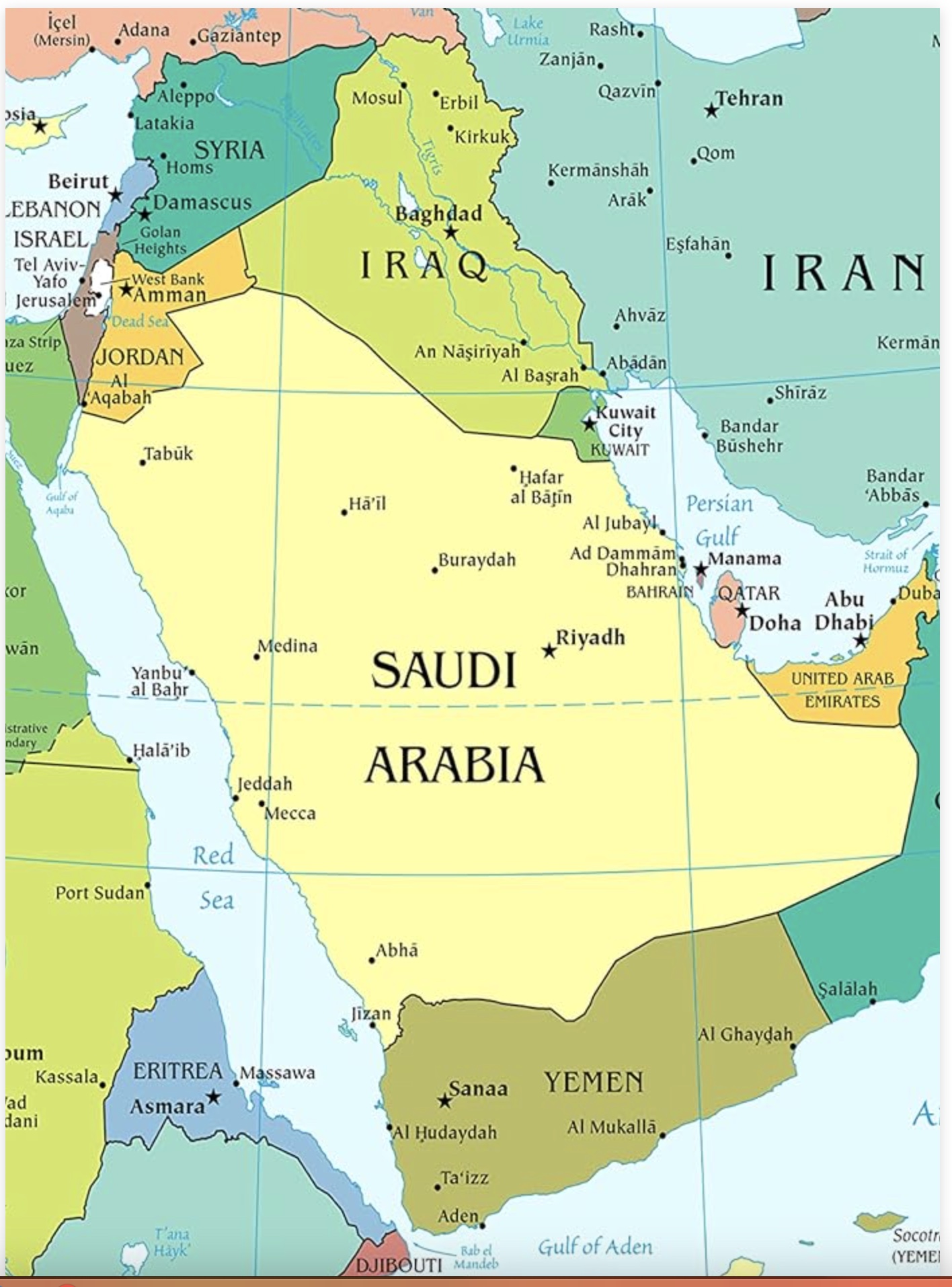
The "diplomatic push" touted by the media is actually a desperate attempt to maintain a status quo that is already dead. The regional players—Saudi Arabia, Iran, the UAE, Israel—know exactly how much Japan needs them. They also know how little Japan can do if the Strait of Hormuz actually shuts down.
I’ve sat in rooms where "soft power" was discussed as if it could stop a missile. It can't. While China brokers actual deals between Riyadh and Tehran, and Russia embeds itself in Syrian soil, Japan offers "dialogue." In the Middle East, dialogue without a security guarantee is just noise.
The Failure of the "Balanced" Approach
- Economic Entanglement: Japan’s investments are concentrated in fossil fuels, making them vulnerable to the very volatility they claim to mitigate.
- Dependency on US Security: Tokyo can’t act independently of the US security umbrella, which makes its "neutrality" a transparent fiction to Iranian hardliners.
- Lack of Intelligence Networks: Unlike the regional powers or the permanent members of the UN Security Council, Japan lacks the deep, ground-level intelligence assets required to actually move the needle in a crisis.
Stop Asking if Japan Can Help
People keep asking: "What role can Japan play in Middle East peace?" It's the wrong question. The right question is: "Why does Japan keep trying to play a role it isn't equipped for?"
The answer is domestic vanity. The Japanese public wants to believe their country is a "Great Power" on the global stage, and "Peace Diplomacy" is an easy sell. It looks good on the news. It requires no body bags. It demands no hard choices. But it also achieves no results.
True disruption in this space would mean Japan picking a side or, more radically, diversifying its energy mix so aggressively that the Middle East becomes a secondary concern. Instead, we get the "sunshine policy" of the East—a belief that if we are just kind enough and trade enough, the ancient animosities of the Middle East will melt away.
The China Factor
While Japan polishes its "peace-loving nation" credentials, Beijing is eating its lunch. China’s mediation between Saudi Arabia and Iran in 2023 wasn't successful because of "harmony" or "culture." It worked because China is the largest buyer of oil from both sides and has the weight to enforce economic consequences.
Japan is a customer. China is the market.
If Japan wants to be a player, it needs to stop acting like a NGO and start acting like a state. That means building a blue-water navy capable of protecting its own lanes without begging for a US destroyer. It means using its massive technology sector as a geopolitical weapon, not just a retail product.
The Mirage of De-escalation
Every time a Japanese official meets a Middle Eastern leader, the press release uses the word "de-escalation." It’s a hollow term. De-escalation happens when the cost of conflict becomes higher than the cost of peace. Japan has no way to increase the cost of conflict for anyone in the region.
Imagine a scenario where a Japanese envoy tries to talk down a regional power during a drone strike exchange. What is the threat? A reduction in Toyota shipments? A sternly worded letter from the Diet? The actors in West Asia are playing for existential stakes. Japan is playing for a seat at the table where the menu has already been decided.
The Cost of the Status Quo
The danger of Japan’s current path is that it creates a false sense of security. By pretending to be a diplomatic heavyweight, Tokyo avoids the hard work of radical energy independence and military modernization.
We see the same pattern in every crisis:
- A flare-up occurs.
- Japan expresses "deep concern."
- An envoy is sent on a multi-country tour.
- The conflict is resolved by the parties involved or by a superpower.
- Japan claims credit for "sustaining the truce."
This cycle is a waste of resources and political capital. It’s time to admit that Japan’s "special relationship" with the Middle East is a one-way street where Tokyo pays the toll and gets no say in the destination.
The diplomatic push isn't a strategy. It's a prayer.
If you want to understand the future of West Asian stability, stop looking at Tokyo. Look at the balance of terror on the ground. Look at the flow of weapons. Look at the people who actually have skin in the game. Japan is just a spectator with a very expensive ticket.
Stop praising the effort. Start mourning the irrelevance.