The clock is ticking on a 10-day truce that everyone knew was too short to begin with. Today, Lebanese and Israeli envoys are sitting down in Washington to figure out if they can keep the guns silent or if the region slips back into the meat grinder. This isn't just another round of diplomatic small talk. The current ceasefire is set to expire this Sunday, and without a signature on an extension, the "buffer zone" in southern Lebanon is about to get a lot more crowded.
I've watched these cycles of violence for years, and this one feels different. For the first time since the early 80s, the Lebanese government is actually at the table directly. They aren't just letting Hezbollah call the shots from the shadows. Lebanon is pushing for a one-month extension. They need it. But Israel’s price for that extension is high, and the reality on the ground is getting uglier by the hour.
The Washington Stakes and the Sunday Deadline
The talks happening right now are a follow-up to the groundwork laid last week. The primary goal for Beirut is simple: survival. They want the ceasefire extended by at least 30 days to allow for more permanent negotiations. They also have a very specific demand on the table—a complete halt to the demolition of homes in southern villages.
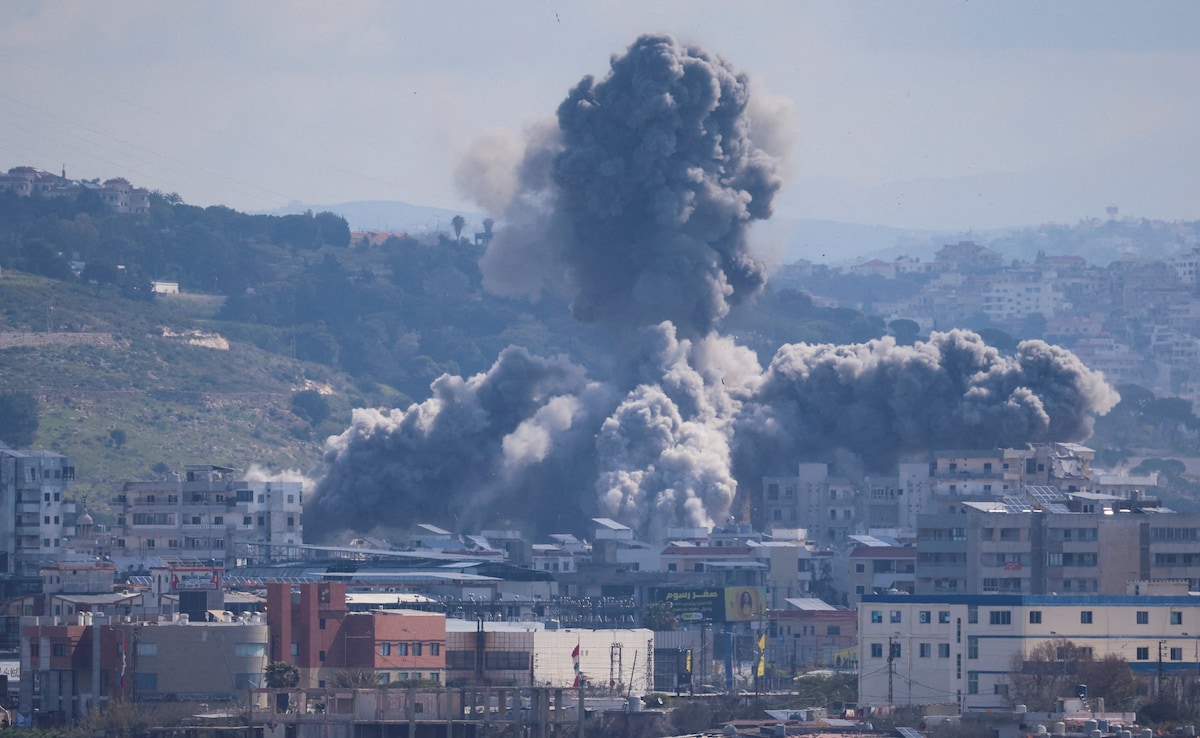
Reports from the border suggest the Israeli military has been busy bulldozing structures in what they've declared a buffer zone. From Israel's perspective, they're clearing out Hezbollah infrastructure. From Lebanon's perspective, they're watching their sovereign territory be systematically erased. If the Washington talks don't address the "bulldozing" issue, the Lebanese delegation is going to have a hard time selling any deal back home, especially with Hezbollah waiting for any excuse to claim the government has surrendered.
A Fragile Peace Shattered by Reality
Don't let the word "ceasefire" fool you. This hasn't been a quiet week. Just yesterday, Lebanon saw its deadliest day since the truce began on April 16. Five people were killed in Israeli strikes, including Amal Khalil, a prominent journalist for Al-Akhbar.
Israel claims it only hits back when the truce is violated. They've pointed to rocket launches near Rab Thalathin and drones crossing into northern Israel as justification. But when journalists start dying in their homes, the "self-defense" argument starts to lose its grip on the international stage. It’s a messy, violent "pause" that feels more like a regrouping period than a peace process.
What is actually on the table?
- A 30-day extension: Lebanon needs this to breathe.
- The Demolition Halt: Beirut is demanding an end to the destruction of southern villages.
- Sovereignty Proof: The US is leaning on Lebanon to show it can actually control its borders and keep Hezbollah in check.
- The Buffer Zone: Israel isn't showing any signs of pulling its five divisions back from the Litani River just yet.
The Hezbollah Shadow
Here’s the thing that no one wants to say out loud: Hezbollah didn't sign this deal. They "indicated" they would follow it, but they aren't a formal party to the agreement. This puts the Lebanese government in a nearly impossible position. They're negotiating on behalf of a country where they don't hold the monopoly on force.
Prime Minister Benjamin Netanyahu has been clear that he wants the total dismantling of Hezbollah’s weapons. That’s a tall order for a Lebanese state that is already struggling to keep the lights on. Meanwhile, Lebanese President Joseph Aoun is betting everything on the idea that direct negotiations are the only way out. He’s right, but being right doesn't always win you a seat at the table when the other side has five divisions on your soil.
Why This Washington Meeting Matters Today
The U.S. is acting as the ultimate mediator here, but it’s also a legacy play. After failures in other regional diplomatic efforts, the White House needs a win. They’re pushing for a deal where the Lebanese state security forces take sole responsibility for national defense. It sounds great on paper. In practice, it means the Lebanese Army would have to face off against Hezbollah if they try to fire a rocket.
If you're looking for signs of success, don't look at the joint statements. Look at the movement of heavy machinery. If the bulldozers in the south stop, the extension is likely happening. If the strikes continue through the evening in Washington, expect Sunday to be the start of a very dark week.
Practical Reality for the Region
If you have family in the south or are tracking the humanitarian situation, the advice from Beirut remains unchanged: don't go back yet. Even with the talks in progress, the uncertainty is too high. The "right to self-defense" clause in the 10-day agreement is broad enough to drive a tank through, and both sides are using it.
Keep an eye on the official statements from the U.S. State Department over the next six hours. We aren't looking for "productive talks." We’re looking for the word "extension." If that word doesn't appear by midnight, the Sunday deadline becomes a cliff. The best move right now is to watch the border activity—if the IDF holds its positions without advancing or demolishing, the diplomats might actually be getting somewhere. If not, the Washington talks are just a formality before the next phase of the war begins.