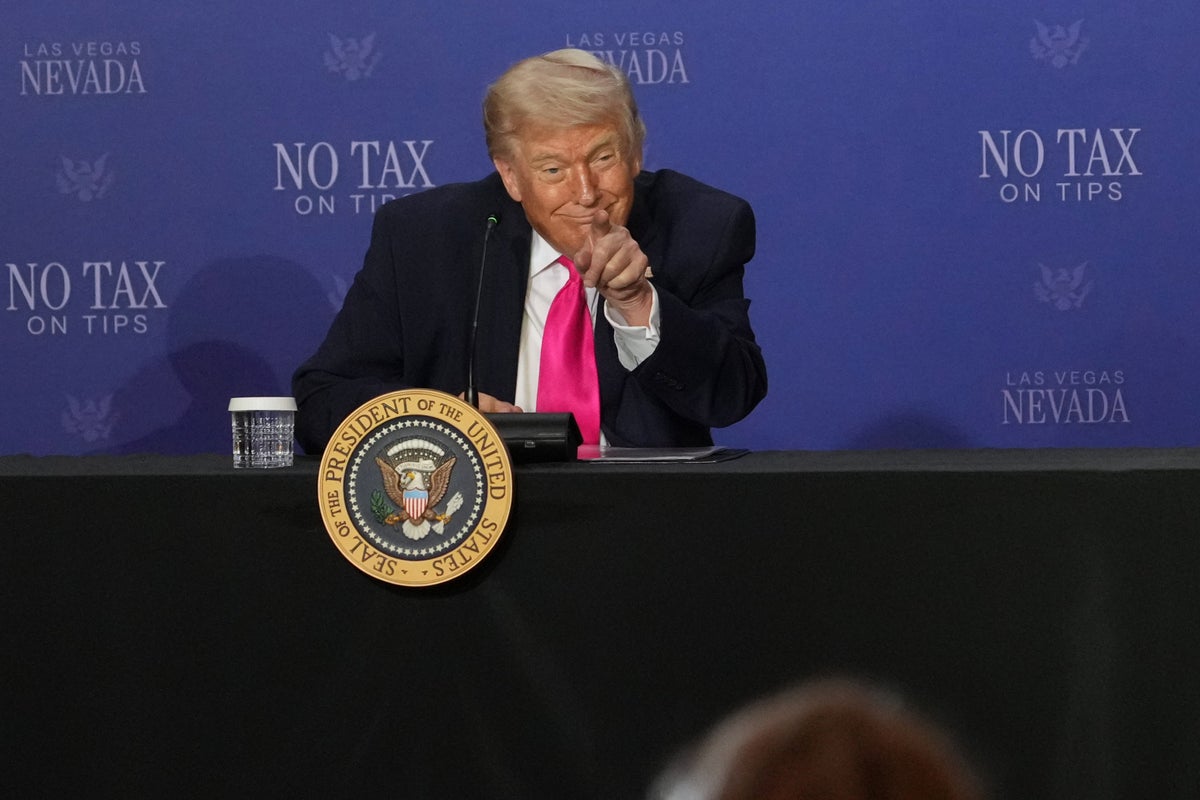
The sirens in northern Israel have finally gone silent, and for the first time in weeks, the skies over Beirut aren't filled with the hum of drones. It's Friday, April 17, 2026, and a 10-day ceasefire between Israel and Lebanon is officially in effect. Donald Trump is calling it a "historic day," and while we’ve heard that kind of talk before, there’s something different about the air this morning.
You’re likely wondering if this is just another brief pause before the next round of missiles, or if we’re actually seeing the beginning of the end for this regional nightmare. Honestly, the situation is incredibly fragile. Even as the clock struck midnight, reports surfaced of sporadic shelling in southern Lebanese towns like Khiam. But the fact that Trump managed to get Benjamin Netanyahu and Lebanese President Joseph Aoun to agree to direct talks at the White House next week is a massive shift in the geopolitical weather.
The 10 day window to prevent total collapse
This isn't a permanent peace treaty. It’s a 10-day breather designed to stop the bleeding—literally. Since the war between the US-Israel alliance and Iran ramped up in February, Lebanon has been caught in a brutal pincer movement. Over 2,100 people are dead, and 2.1 million have been forced from their homes.
The terms of this deal are straightforward but risky. Israel stops the airstrikes and "large-scale" operations. Hezbollah is expected to stop the cross-border rocket fire. Trump posted on Truth Social that he hopes Hezbollah "acts nicely," which is a classic Trumpian way of saying the US is watching their every move. If they don't play ball, the ceasefire dies before the weekend is over.
What makes this attempt unique is the direct involvement of the Lebanese government. For decades, Lebanon has been a passenger in its own country, with Hezbollah calling the shots on war and peace. Now, the Lebanese Armed Forces (LAF) are being tasked with stepping up. The US and Israel are betting that the Lebanese state can finally reclaim its "monopoly of force." It’s a tall order, especially when Hezbollah hasn't formally signed anything.
Why Trump is betting big on this moment
Trump’s strategy here isn't just about Lebanon. It’s a chess move in the larger war against Iran. By cooling the front in the north, he’s trying to isolate Tehran. Secretary of State Marco Rubio has been behind the scenes, pushing the narrative that a stable Lebanon is the best way to gut Iranian influence in the Mediterranean.
The administration is essentially offering Lebanon a "trade over aid" package. If the guns stay silent, the US is promising reconstruction money and investment that the country desperately needs. It’s the carrot to the Israeli military’s very large stick.
- Direct Talks: The White House meeting next week is the first of its kind in decades.
- Buffer Zone: Israeli troops are staying put in southern Lebanon for now, maintaining a "security zone" to ensure Hezbollah doesn't just crawl back to the border.
- Iran Factor: This truce is a test run for a larger deal with Tehran that’s currently being mediated by Pakistani officials.
The reality on the ground is messy
Don't let the "historic" label fool you into thinking it's all sunshine and handshakes. Within minutes of the ceasefire starting, the Lebanese army reported violations. This is typical for the first 24 hours of any truce. Soldiers on both sides are jumpy. One misunderstood movement can trigger a firefight that spirals out of control.
There’s also the issue of the 1.3 million displaced people in Lebanon. The government is telling them to wait. Don’t rush back to your villages in the south yet. Why? Because the Israeli military hasn't left. They're still holding ground, and they’ve made it clear they will respond to "imminent threats." That’s a broad definition that gives them a lot of room to keep shooting if they see something they don't like.
Hezbollah’s silence is the loudest thing in the room right now. They’ve given a "conditional acceptance," but they’ve also warned that as long as Israeli boots are on Lebanese soil, they consider themselves justified in "resisting." It's a hair-trigger situation.
What you should watch for next
The next 48 hours are the real test. If the rocket fire from Hezbollah truly stops and Israel holds back its F-35s, the momentum for the White House summit will build. If we see a major breach, expect Pete Hegseth and the Pentagon to pivot back to their "locked and loaded" stance against Iranian assets.
Watch the Strait of Hormuz. While things are quiet in Beirut, the maritime blockade near Iran is still a total mess. Oil prices are dipping below $100 on the news of the Lebanon truce, but that won't last if the Persian Gulf stays hot.
If you're tracking this for business or travel, stay cautious. The regional instability isn't gone; it’s just paused. The real win isn't this 10-day break—it’s whether they can turn those 10 days into a permanent diplomatic framework that doesn't rely on Hezbollah’s permission to exist.
Keep an eye on the official statements from Beirut and Jerusalem today. Any shift in rhetoric about "territorial integrity" will tell you if the Lebanese government is actually gaining the backbone the US hopes they have.