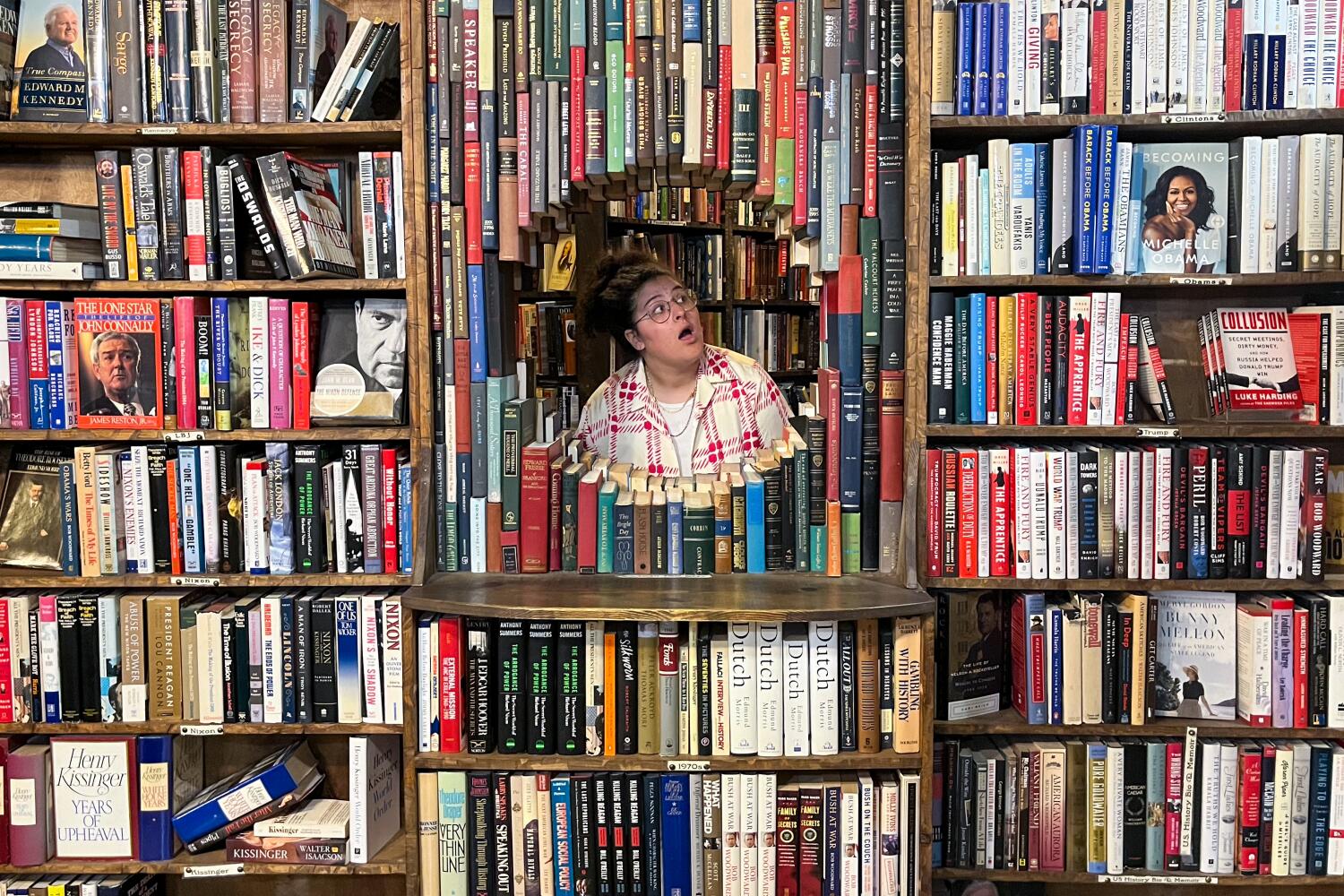
The local bookstore didn't just survive. It's actually thriving in a way that should make every Silicon Valley executive sweat. For years, the narrative was simple: big-box retailers and e-commerce giants would eventually starve the "little guy" out of existence. We were told physical books were relics, bulky blocks of dead wood that couldn't compete with the convenience of a thousand titles in your pocket.
The data says otherwise. According to the American Booksellers Association, their membership numbers have hit levels we haven't seen in decades. This isn't just about nostalgia or hipsters wanting to look intellectual in a cafe. It's a fundamental shift in how we want to spend our time and money. We're exhausted by the endless scroll. We're tired of algorithms deciding what we should read based on a data point from three years ago.
Independent bookstores offer the one thing a screen can't replicate: a physical community that doesn't track your every click. They’ve become the "third place" we desperately need. It’s not home, it’s not work, it’s a sanctuary where you can accidentally discover a book that changes your life because a human being put it on a shelf with care.
The Myth of the Amazon Monopoly
You probably think Amazon owns the entire book market. They certainly dominate the digital space and the commodity market. If you need a specific textbook or a blender at 2:00 AM, you go to them. But buying a book is rarely just a transaction for a real reader. It's an experience.
Data from 2024 and 2025 shows that while the "everything store" handles the logistics of demand, independent shops are the ones creating the demand. When a local bookseller gets excited about a debut novelist, they sell it. They talk about it. They host a reading. That grassroots energy ripples upward. Without these physical discovery points, the publishing industry would look like a graveyard of "safe" bets and celebrity memoirs.
Small shops are agile. They don't have to stock 50,000 titles to be successful. They only need the right 5,000 for their specific neighborhood. A bookstore in a college town in Vermont looks nothing like a bookstore in the heart of Miami. That curation is their superpower. They aren't trying to be everything to everyone. They're trying to be the perfect thing for you.
Why Curation Beats the Algorithm Every Single Time
Algorithms are boring. They’re repetitive. If you buy a thriller, the algorithm suggests five more thrillers that look exactly like the first one. It’s a loop. It narrows your world.
Walk into an indie shop and look at the "Staff Picks" shelf. You’ll find a poetry collection next to a biography of a 19th-century botanist, sitting beside a gritty noir novel set in Tokyo. This is the "serendipity factor." You can't code it. It requires a human with taste, flaws, and a weird obsession with specific genres.
Think about the last time you spent an hour on a website. You probably felt drained. Now think about an hour spent browsing bookshelves. The smell of the paper, the weight of the hardcovers, the quiet hum of other people doing the same thing. It’s a sensory experience that grounds us. In an era where everything is becoming "frictionless" and invisible, the friction of a physical book is its greatest asset. It demands your full attention. It doesn't ping you with notifications.
The Economic Engine of the Neighborhood
When you spend $30 at a local bookstore, that money stays in your town. It pays the rent for a local building. It pays the salary of a neighbor. It supports other local businesses.
Economists call this the "multiplier effect." Studies have shown that for every $100 spent at a local business, roughly $68 stays in the local economy. When you spend that same $100 at a massive national chain or online giant, only about $13 stays local. Bookstores are often the anchors of "Main Street." They bring foot traffic that helps the coffee shop next door and the boutique across the street.
What Makes a Modern Bookstore Succeed
- Events that matter: It’s not just book signings. It’s writing workshops, kids' story hours, and social justice forums.
- Niche specialization: Some shops only sell cookbooks. Others focus entirely on sci-fi or diverse voices.
- Alcohol and Coffee: Let's be real. Pairing a glass of wine or a latte with a new book is a winning strategy.
- Atmosphere: Comfortable chairs aren't just furniture; they're a signal that you're welcome to stay.
Facing the Reality of High Rents and Thin Margins
I'm not going to pretend it's all sunshine and lattes. Running a bookstore is incredibly hard work. The margins on books are notoriously thin. You're competing with companies that can afford to sell books at a loss just to get people into their ecosystem.
Rising commercial rents in cities like New York, San Francisco, and Austin have forced some iconic shops to close. But even here, we see innovation. We’re seeing "bookstore cooperatives" where the community actually owns a stake in the shop. We’re seeing pop-up shops and book trucks that go where the people are.
Owners have to be part-time event planners, part-time baristas, and full-time community leaders. If they just sit behind a desk and wait for people to walk in, they’ll fail. The shops that are booming are the ones that have turned themselves into indispensable community hubs. They aren't just selling paper; they're selling belonging.
The Gen Z Pivot to Physical Media
The most surprising part of this boom is who's driving it. It’s not just the older generation holding onto the past. It's Gen Z and young Millennials.
The people who grew up with a smartphone in their hands are the ones leading the "analog revival." You see it in the explosion of "BookTok" on TikTok, where creators share their physical libraries and the emotional impact of their favorite reads. There’s a certain status in owning a physical library again. It’s a statement of identity. Your Kindle library is hidden; your bookshelf is a map of your mind.
This demographic cares about ethics. They know that convenience has a cost. They’re willing to pay a few dollars more for a book if it means supporting a business that aligns with their values. They want a space to gather that isn't a loud bar or a sterile office. The bookstore provides that "low-stakes" social environment that is becoming increasingly rare.
How to Support Your Local Shop Without Breaking the Bank
You don't have to buy every single book at full price to make a difference. Most indie shops have a robust used book section. They often have loyalty programs that give you discounts over time.
If you really want to help, stop using the "Big A" for your pre-orders. When you hear about a book coming out in three months, call your local shop and ask them to order it for you. It costs you the same, but it gives that shop a guaranteed sale and helps them manage their inventory.
Also, show up to their events. Even the free ones. A packed room tells the shop owner that their work is valued. It tells the author that people still care. It keeps the lights on in the most literal sense.
Go find your local shop this weekend. Don't go with a specific title in mind. Just walk in, wander the aisles, and let the shelves tell you what you need to read. You’ll leave feeling better than you did when you walked in. That’s something no website can offer.
Keep your eyes open for new openings in your area. Check the American Booksellers Association's "IndieBound" tool to find shops you didn't even know existed. Start a monthly book club that meets at the shop instead of a living room. Buy your birthday cards and journals there. Every small choice helps ensure these places don't just exist but thrive for the next generation of readers.