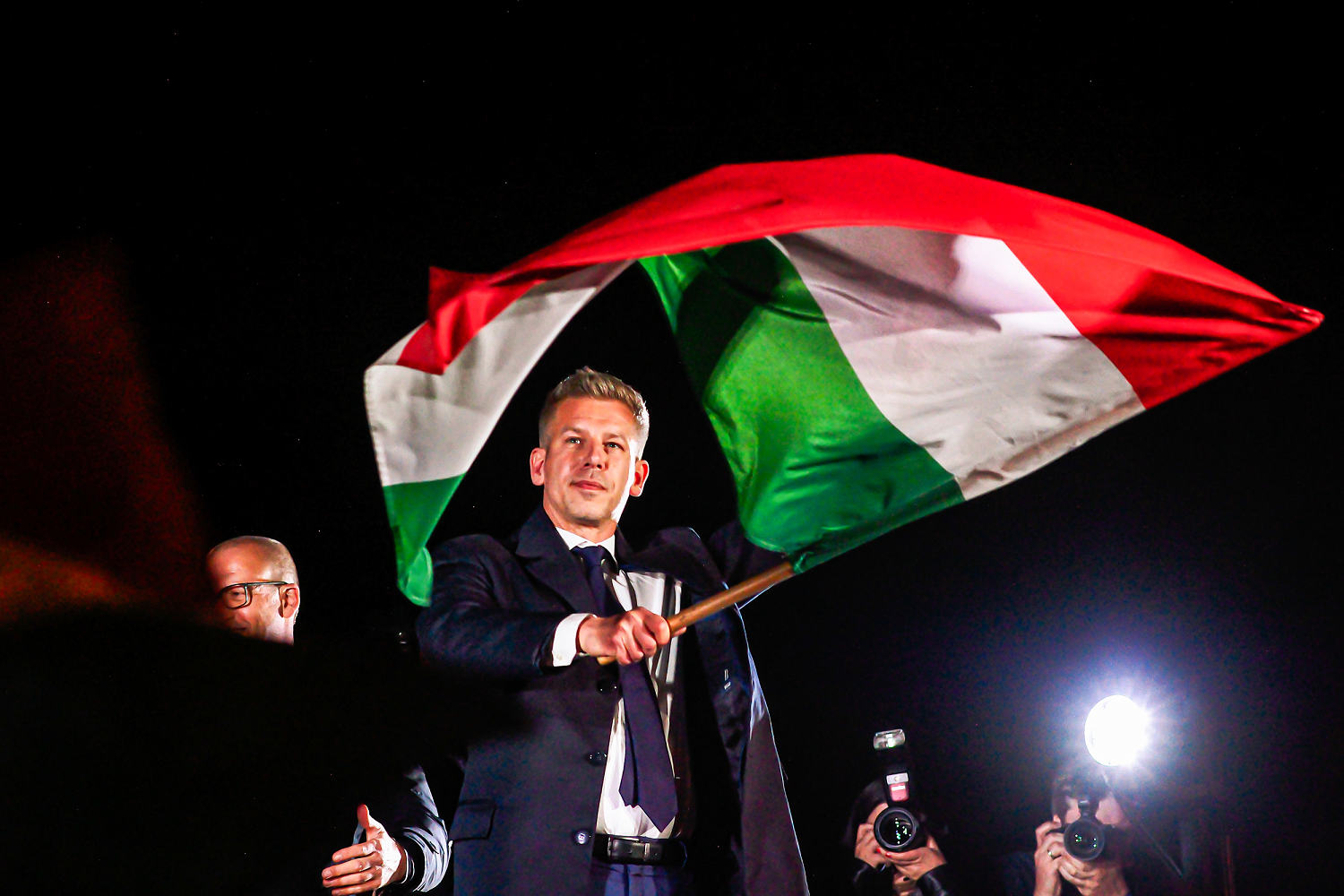
The 16-year era of Viktor Orbán is over. On April 12, 2026, Hungarian voters didn't just choose a new government; they dismantled a system. Péter Magyar and his Tisza Party secured a staggering 138 seats in the 199-member National Assembly, crossing the two-thirds supermajority threshold. This wasn't a narrow escape for the opposition. It was a landslide that left the incumbent Fidesz party with just 55 seats—a total collapse from the 135 they held only four years ago.
You might wonder how an "illiberal" state with total media control and a rigged electoral system actually fell. It wasn't through a sudden shift in ideology. It was the reality of a 0.4% economic growth rate, the highest unemployment in a decade, and a healthcare system where patients literally had to bring their own toilet paper. People were tired of hearing about "geopolitical threats" while their local hospitals crumbled. Magyar, a former Fidesz insider, knew exactly where the cracks were. He didn't just talk about democracy; he talked about the "kleptocracy" that enriched a tiny circle of Orbán's friends while the rest of the country stagnated.
The insider who broke the system
Magyar wasn't some outsider from the old, fractured opposition. He was the ultimate insider. His ex-wife, Judit Varga, was Orbán's justice minister. He spent years within the Fidesz machinery. When he broke away in 2024 after a pardoning scandal involving a pedophile case cover-up, he took the playbook with him. He knew how Fidesz messaged, how they spent, and how they controlled.
Magyar didn't try to win by being a "liberal" in a country that Orbán had spent a decade turning against liberalism. Instead, he ran as a center-right conservative. He promised to keep the family tax breaks and the fiscal transfers that Fidesz used to buy loyalty. He just promised to stop the stealing. That subtle distinction was the key. He made it safe for Fidesz voters to switch. By the end of 2025, Tisza had already overtaken Fidesz in independent polls.
Winning with a rigged deck
The 2026 election saw a record turnout of nearly 80%. That’s the highest since Hungary’s transition from communism in 1990. Orbán’s strategy relied on voter apathy and a fragmented opposition. Magyar killed both. He held massive rallies, used social media to bypass state-controlled TV, and stayed aggressively on message: Hungary is a "failed state" run by a few families.
Economic stagnation and frozen funds
Orbán’s luck finally ran out when the money stopped flowing. Brussels had frozen €18 billion in EU funds over rule-of-law concerns. For years, Orbán used that money to fuel "Orbánomics"—a mix of state-led investment and handouts. Without it, the economy stalled. While neighbors like Romania and Poland were growing, Hungary was flatlining. Transparency International had ranked Hungary as the most corrupt country in the EU, and by 2026, the voters felt it in their wallets.
The Russian connection
Magyar also leaned into the growing discomfort with Orbán’s ties to Moscow. While Orbán portrayed the war in Ukraine as something to stay out of at all costs, Magyar pointed out that being Putin’s "trojan horse" in Europe was isolating Hungary. On election night, the streets of Budapest were filled with people chanting "Russians go home"—a slogan with deep, painful roots in Hungarian history.
The plan to dismantle the deep state
Magyar isn't wasting time. He’s already signaled that the first order of business is cleaning house. He has called for the immediate resignation of four key figures: the President, the Chief Prosecutor, the head of the Constitutional Court, and the head of the Competition Authority. These aren't just administrative changes. These positions were filled with Orbán loyalists meant to protect the old regime even after an election loss.
Magyar’s legislative priorities are clear:
- Restore the Rule of Law: This is the immediate path to unlocking those frozen billions from the EU.
- Wealth Tax: A 1% tax on individuals with assets over 1 billion forint (roughly €2.6 million). This is a direct hit to the "oligarchs" who thrived under Orbán.
- Healthcare and Education: Redirecting state funds from prestige projects—like Orbán’s infamous soccer stadiums—into the failing public sector.
A new direction in Europe
Don't expect Magyar to be a perfect "pro-EU" puppet, though. He’s still a populist, just a democratic one. He’s already stated he won't support the EU’s migration and asylum pact. He’s also cautious about Ukraine’s rapid accession to the EU, largely because of how it might affect Hungarian farmers.
However, the change in tone will be massive. His first planned diplomatic trips are to Warsaw and Vienna, then Brussels. He’s prioritizing Central European neighbors over the "Eastward Opening" policy that Orbán favored. The goal is to make Hungary a "normal" European country again—one that argues about policy in Brussels rather than trying to blow up the entire institution from the inside.
The next few months will be messy. Fidesz still controls much of the bureaucracy and the private media. But with a two-thirds majority, Magyar has the same constitutional power Orbán used to build his "illiberal" state. The difference is he’s promised to use it to tear it down.
If you’re watching from the outside, the lesson is simple. Entrenched leaders don't usually fall because of high-minded debates about "democratic norms." They fall because they stop being able to provide basic services and because someone from the inside finally has the guts to point at the emperor's lack of clothes. To start rebuilding, the new government needs to immediately secure the independence of the prosecutor's office and ensure the media landscape is reopened to actual competition. Only then can the "post-Orbán" era truly begin.