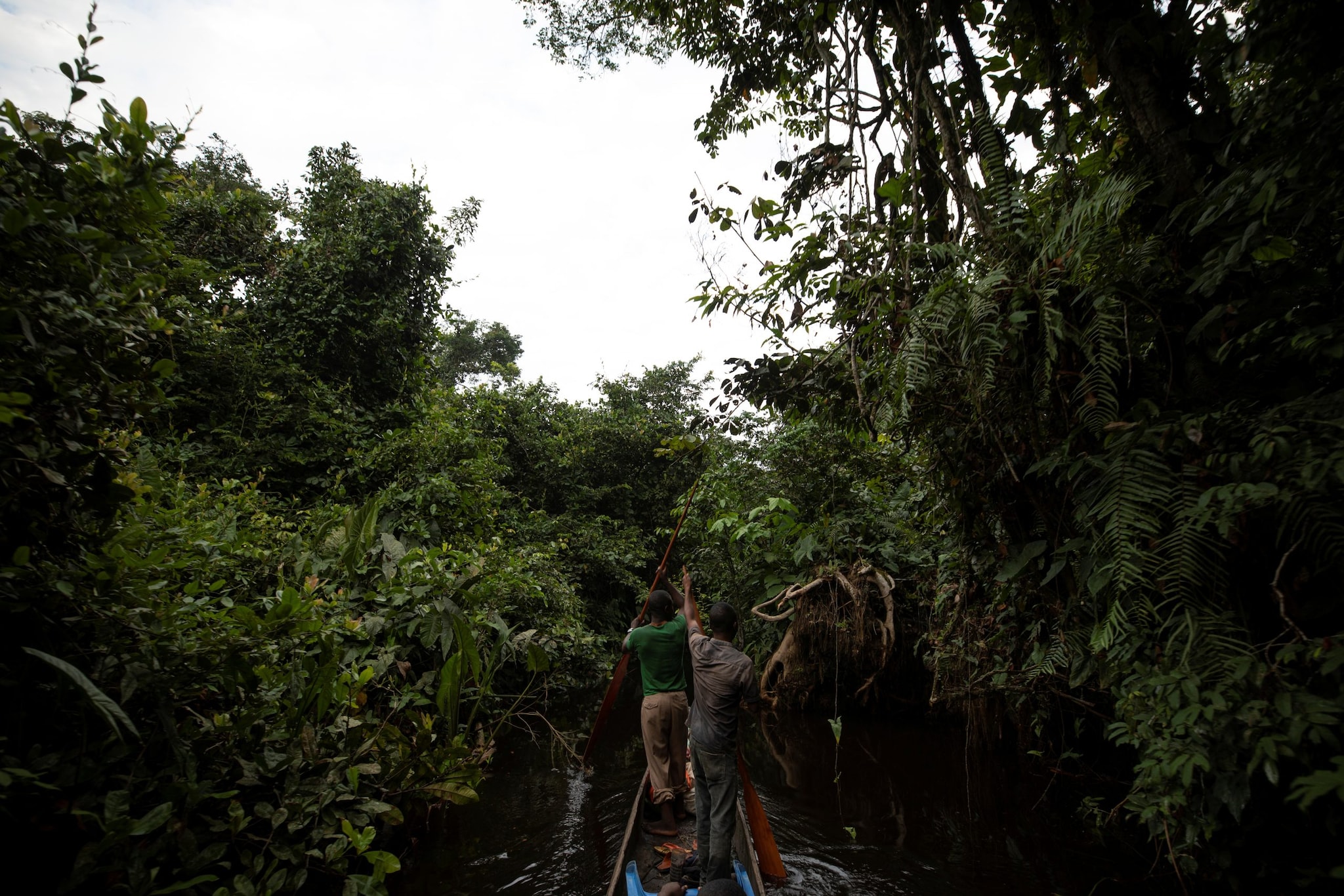
The United States State Department just sold you a fairy tale. They call it a "humanitarian truce." They talk about "easing travel" for aid convoys and "refraining from civilian attacks" in eastern Democratic Republic of Congo. It sounds like progress. It sounds like empathy.
It is actually a death warrant.
When the DRC government and M23 rebels "agree" to let trucks pass, they aren't sudden converts to the Geneva Convention. They are optimizing a war economy. If you think these corridors are about feeding the hungry, you haven't been paying attention to how conflict actually functions in North Kivu. These truces are tactical breathers that allow militias to regroup, re-arm, and monetize the very aid meant to bypass them.
The Myth of the Neutral Convoy
Western diplomats love the optics of a white truck crossing a front line. It provides a dopamine hit for the international community. But in the reality of the bush, there is no such thing as a neutral movement.
Every time a convoy moves through rebel-held territory with government "permission," a price is paid. I have stood at these checkpoints. I have seen the "informal taxes" collected. When we demand "safe passage," we are essentially funding the logistics of the very groups pulling the triggers.
The "lazy consensus" suggests that aid is a net positive regardless of the delivery mechanism. Wrong. In a hyper-fractured conflict like the DRC, aid is a commodity. By securing these agreements, we aren't bypassing the war; we are becoming a pillar of its financial structure. The rebels don't want to stop the food; they want to control the distribution so they can play god with the local population’s survival.
The Truce as a Tactical Weapon
Let’s look at the timing. These agreements rarely happen when one side is winning. They happen when both sides are exhausted and need to fix their trucks.
A truce isn't peace. It’s a pause button.
- Regrouping: Militias use the "humanitarian window" to move personnel under the cover of civilian movement.
- Intelligence: Aid workers, often unknowingly, provide real-time data on road conditions and bridge stability that commanders use for their next offensive.
- Legitimacy: For groups like M23, these agreements are a PR goldmine. They get to sit at the table with the big boys and pretend to be a responsible governing body.
By facilitating these deals, the US isn't "brokering peace." It is providing a diplomatic shield for war criminals to polish their image while they wait for the next shipment of ammunition to clear the border.
The Civilians as Human Shields for Diplomacy
The headline says they agreed to "refrain from civilian attacks." This is the most offensive part of the narrative. It implies that civilian safety is a toggle switch that can be flipped when Washington asks nicely.
The moment the cameras leave and the "humanitarian window" closes, the predation resumes. In fact, it often intensifies. When a rebel group "allows" aid into a village, they are marking that village. They are signaling to the population that their survival depends on the group's continued presence and cooperation with international NGOs. It turns civilians into a logistical asset.
If we actually cared about civilian lives, we wouldn't be begging for a forty-eight-hour ceasefire. We would be addressing the fact that the DRC's mineral wealth is being vacuumed out of the ground to power the very devices people use to read these sanitized press releases.
Stop Sending Trucks, Start Breaking Chains
The standard response to DRC violence is "more aid, better access." This is the wrong answer. It has been the wrong answer for thirty years.
Eastern Congo is not a "humanitarian crisis." It is a market failure. It is a colonial hangover. It is a resource war masquerading as an ethnic dispute. Sending more bags of grain through a "humanitarian corridor" is like putting a Band-Aid on a severed femoral artery while the person holding the knife watches.
If you want to disrupt this cycle, you have to stop the "aid-and-wait" approach.
- Weaponize Transparency: Instead of secret deals for truck routes, name the specific mining companies and regional neighbors profiting from the instability.
- End the Truce Theater: Stop celebrating these fake agreements. They provide political cover for the DRC government’s inability to protect its own citizens and for rebel groups to entrench themselves.
- Localize Everything: International NGOs are too big, too slow, and too easy to manipulate. The more "foreign" the aid looks, the more of a target it becomes.
The Brutal Truth
The downside of my approach? It’s messy. It’s loud. It doesn't look good on a State Department briefing note. It involves acknowledging that some "humanitarian" actions actually prolong the agony of a nation.
We are addicted to the "savior" narrative. We want to believe that a few trucks and a handshake can fix a century of systemic exploitation. It can’t. Every time we celebrate a "humanitarian corridor," we are complicit in the next offensive.
The Congolese people don't need a corridor. They need the world to stop treating their home like a charity ward and start treating it like a crime scene.
Tear down the corridors. Stop the theater. Stop pretending a truce is a victory.
The war will not be solved by a convoy. It will be solved when the cost of fighting exceeds the profit of the minerals—and currently, the international community is making sure the profit remains high and the "humanitarian" cost remains bearable.