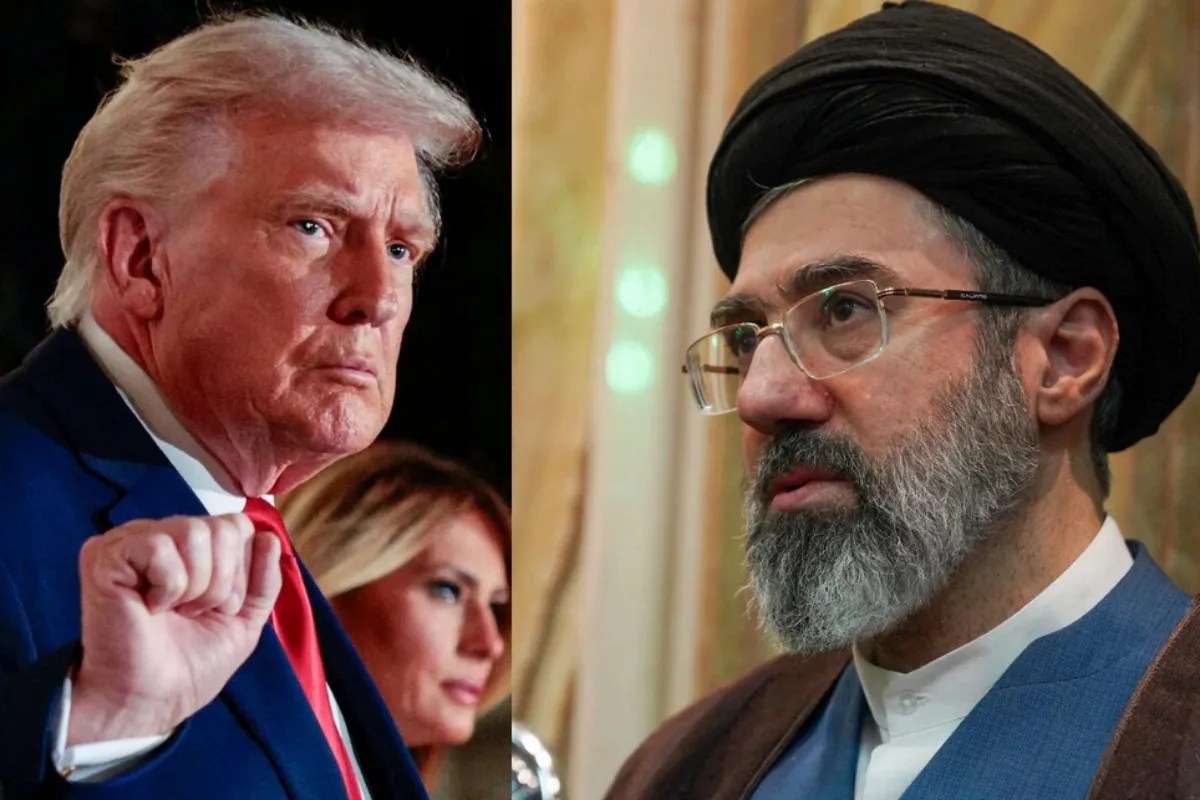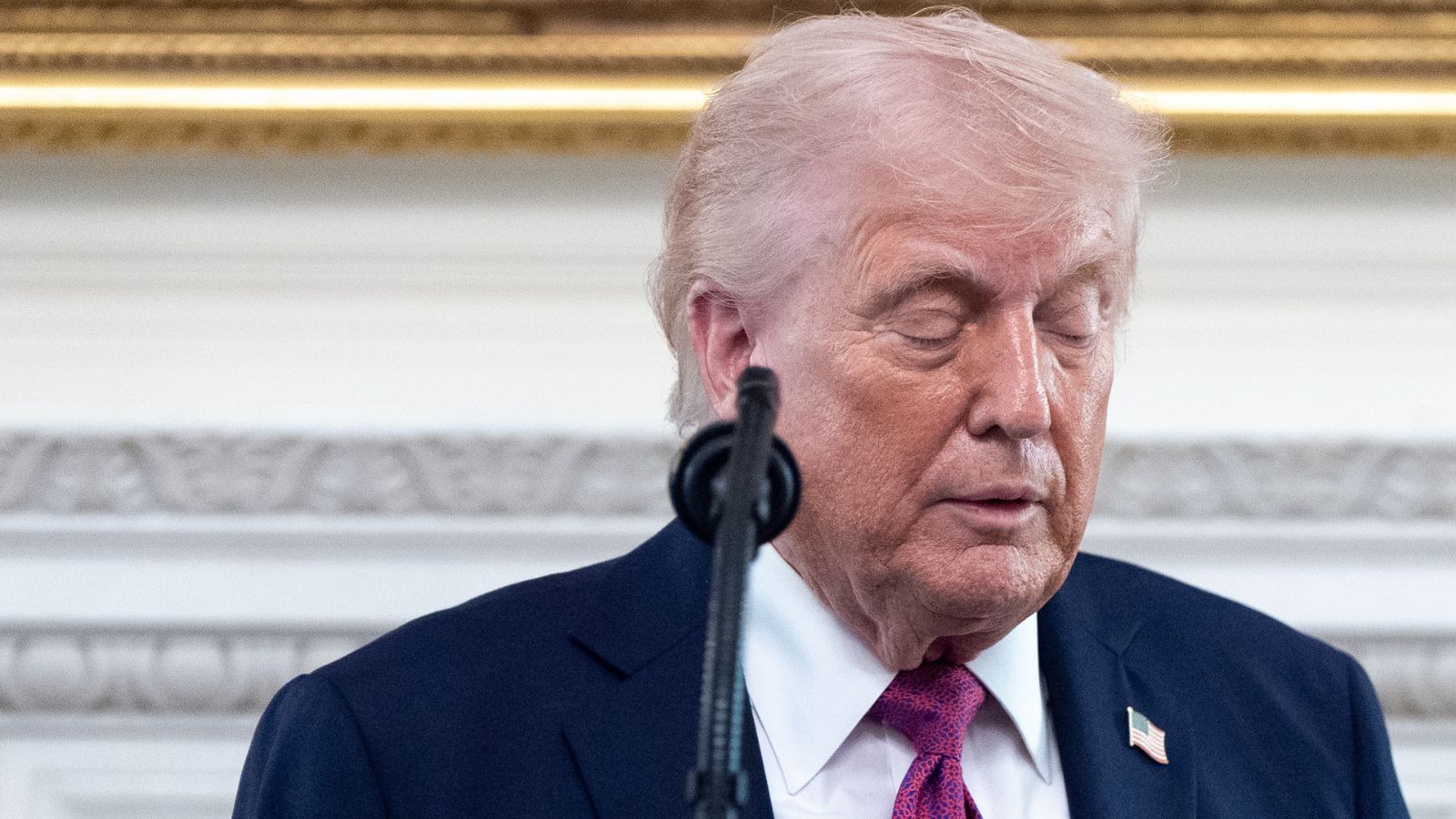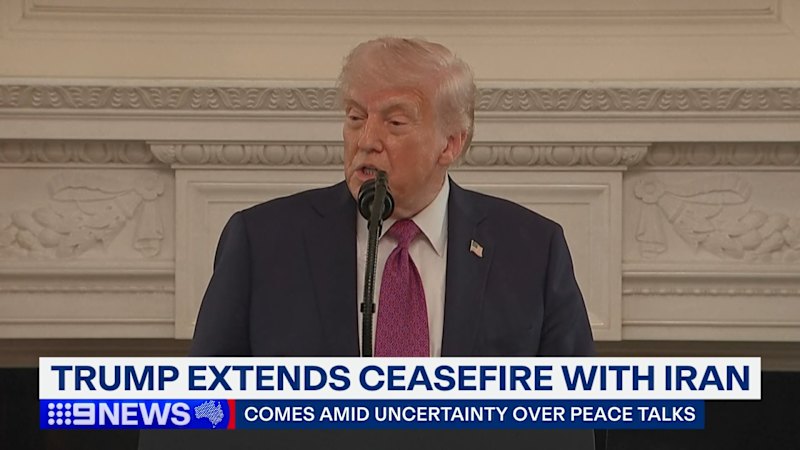
Donald Trump just blinked, but he is calling it a victory. On Tuesday, only hours before a two-week ceasefire was set to expire and the drone swarms were scheduled to fly, the White House announced a unilateral extension of the truce with Tehran. The official line from the Oval Office is that Pakistan, acting as the primary conduit for these high-stakes negotiations, requested more time to allow a "fractured" Iranian leadership to get its act together.
The reality on the ground is far more clinical and dangerous. By extending the ceasefire "until such time as a unified proposal is submitted," the administration has essentially frozen a conflict that neither side can afford to win but both are terrified to lose.
The Islamabad Ghost Town
For days, the world watched Islamabad. It was supposed to be the venue for a second round of face-to-face talks between a U.S. delegation led by Vice President JD Vance and an Iranian team headed by Foreign Minister Abbas Araghchi. Instead, the halls of the Serena Hotel remained empty. Vance postponed his trip indefinitely, and the Iranians never boarded their flights.
This wasn't a scheduling conflict. It was a strategic stalemate. The U.S. demanded an "unconditional surrender" of Iran’s nuclear ambitions and a total withdrawal of its regional proxies. In return, Tehran demanded the immediate lifting of the naval blockade in the Strait of Hormuz. When neither side budged, the deadline became a liability.
Trump’s decision to extend the ceasefire wasn't born of sudden pacifism. It was a calculated move to maintain the Strait of Hormuz blockade without the political and military cost of a full-scale shooting war. As long as the ceasefire exists in name, the U.S. Navy can continue to interdict Iranian tankers—most recently the Tifani in the Bay of Bengal—under the guise of "maintaining pressure" for a deal.
The Nuclear Poker Game
The core of the dispute remains the 2025-2026 nuclear framework. Iran has offered to dilute its 60% enriched uranium and even suggested building 19 new civilian reactors as a business opportunity for the American nuclear industry. On paper, it sounds like the "great deal" Trump frequently touts.
However, the Iranian leadership is not a monolith. The Supreme Leader, Ali Khamenei, has remained conspicuously silent, while hardliners in the IRGC (Islamic Revolutionary Guard Corps) view any concession as a death sentence for the regime. This internal rift is exactly what the White House is trying to exploit. By framing the ceasefire extension as a courtesy to a "fractured" government, the U.S. is signaling to the Iranian public—and its military—that the regime’s own indecision is the only thing standing between them and economic relief.
Logistics of a Frozen War
While the diplomats stall, the military buildup continues. The U.S. has maintained two aircraft carrier strike groups in the region and recently deployed anti-stealth radar systems to Al Udeid airbase in Qatar. Iran, for its part, has integrated Chinese YLC-8B surveillance systems and moved its mobile missile launchers into hardened silos along the coast.
The ceasefire is a "pause" in name only. The economic war is at its peak. The U.S. Treasury recently sanctioned 14 entities across Turkey and the UAE for funneling drone components to Tehran. The naval blockade has reduced Iranian oil exports to a trickle, creating a domestic crisis that the Iranian Parliament Speaker, Mohammad Bagher Ghalibaf, warned could lead to "unpredictable consequences."
The Lebanon Factor
The most significant hurdle to a permanent deal isn't even in Iran. It is in Lebanon. During the initial April 7 ceasefire announcement, a massive Israeli strike on Hezbollah targets in Beirut nearly derailed the entire process. Iranian National Security Adviser Mahdi Mohammadi made it clear: there is no deal without a total cessation of Israeli operations in Lebanon.
The U.S. has tried to decouple the two conflicts, pressuring Israel into direct talks with the Lebanese government. But as long as the "Axis of Resistance" remains a central pillar of Iranian foreign policy, any ceasefire in the Persian Gulf remains tethered to the stability of the Levant.
The Risk of the "One Way or the Other" Doctrine
Trump’s ultimatum—that discussions will conclude "one way or the other"—is a classic high-pressure sales tactic applied to global geopolitics. It creates a binary outcome where the only alternative to a deal is total destruction.
This approach carries a massive risk. If the Iranian leadership decides that the "surrender terms" are more dangerous to their survival than American bombs, the ceasefire becomes a countdown to a regional conflagration. The market, for now, is breathing a sigh of relief. Oil prices dipped below $90 a barrel as the immediate threat to the Strait of Hormuz eased. But the "Hormuz risk premium" hasn't disappeared; it has merely been deferred.
The ceasefire extension buys time for the mediators in Pakistan and Oman, but time is a finite resource. If the "unified proposal" from Tehran doesn't materialize by the next informal deadline, the world will find out exactly what the "other way" looks like.