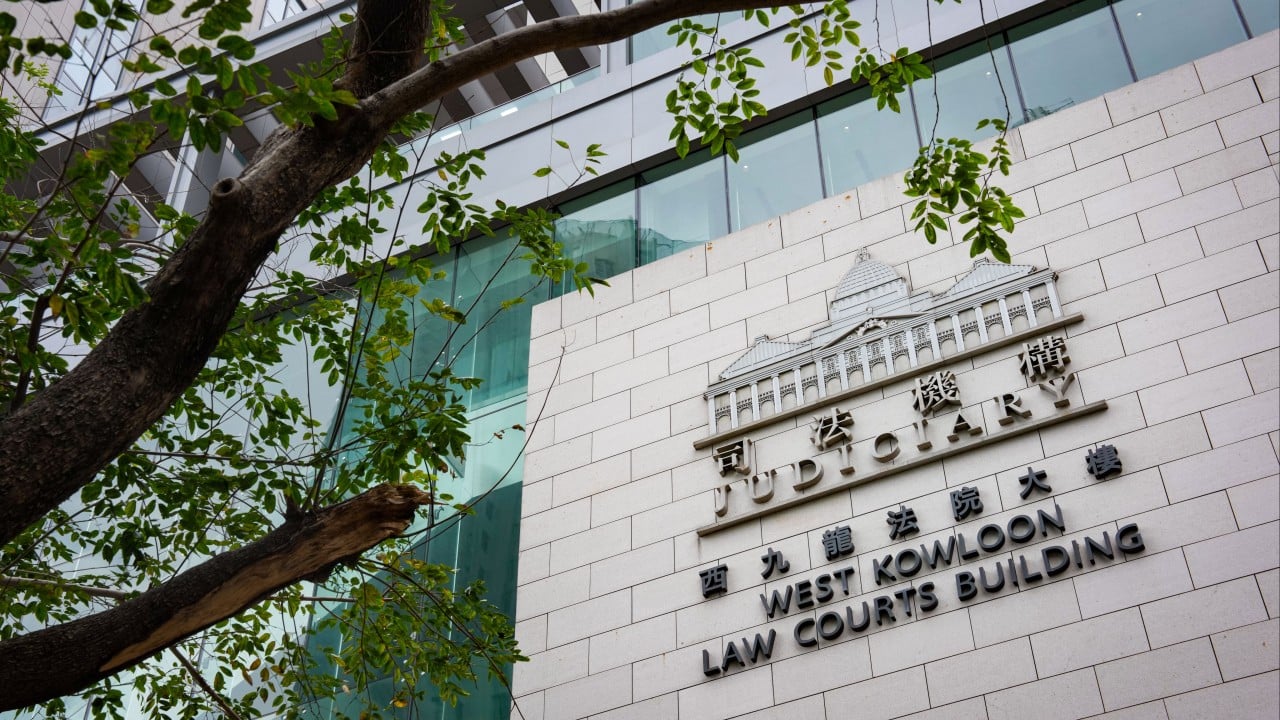
A 68-year-old retiree in Hong Kong just got handed a one-year prison sentence. His crime? He posted comments on social media. This wasn't a case of organized rebellion or a street protest. It was a series of digital breadcrumbs left on platforms like Facebook and X. If you think the internet is still a "free for all" in the city, this case proves you're wrong.
The defendant, Au Kin-wai, faced charges under the newly minted Safeguarding National Security Ordinance, often called Article 23. This legislation, fast-tracked through the Legislative Council earlier in 2026, has fundamentally changed the risk profile for every person living in or even visiting Hong Kong. Au's posts were deemed "seditious" because they allegedly incited hatred against the government and central authorities. Also making headlines recently: Why Brazil’s Fugitive Spy Chief is Finally in Hand.
He didn't have thousands of followers. He wasn't a famous influencer. He was just an ordinary citizen. This is the new reality. One year behind bars for a few clicks of a mouse.
The Shrinking Space for Online Dissent
The legal bar for what counts as sedition has dropped through the floor. In the past, you might have expected a warning or a request to take down a post. Now, the police are moving straight to arrests. The court's logic in the Au Kin-wai case suggests that even if a post doesn't lead to immediate violence, its potential to "poison minds" over time is enough to justify a custodial sentence. Additional details regarding the matter are detailed by BBC News.
You have to understand the environment here. The government argues these laws are necessary to prevent a repeat of the 2019 unrest. They want stability. But the cost of that stability is a digital culture defined by self-censorship. People are deleting old posts. They're changing their usernames. Some are scrubbing their digital footprints entirely.
Au’s defense argued that his reach was minimal. They tried to say his words didn't actually cause any real-world harm. The magistrate didn't buy it. The ruling emphasized that the "seditious intent" was what mattered most, not the actual outcome. This sets a heavy precedent. It means the state doesn't need to prove you started a riot. They only need to prove you had the intent to make people unhappy with the status quo.
Article 23 vs The Old Guard
We used to talk about the 2020 National Security Law (NSL) as the ultimate red line. Article 23 goes further. It plugs the gaps. It covers treason, insurrection, and—critically for internet users—the "theft of state secrets" and "external interference."
The definitions are intentionally broad. What one person calls a political critique, a prosecutor calls sedition. What one person calls "sharing news," a judge might call "inciting disaffection." Au's one-year sentence isn't an outlier; it's a signal. The judiciary is clearly aligned with the executive branch's desire to clean up the local internet.
- The Intent Factor: Prosecutors no longer need to show a direct link to a specific crime. They focus on the "nature" of the speech.
- The Reach Factor: Small accounts are not safe. The law applies whether you have five followers or five million.
- The Duration Factor: Deleting a post doesn't necessarily protect you if the authorities already archived it.
Why Retirees are Landing in Court
It’s not just the students anymore. We’re seeing a trend where older citizens, who perhaps grew up in an era where political debate was louder and more chaotic, are getting caught in the net. They might not be as tech-savvy regarding privacy settings or VPNs. They post what they think.
Au Kin-wai is 68. He's at an age where he should be enjoying his retirement. Instead, he’s in a cell. This highlights a generational gap in understanding the current legal risks. Younger people in Hong Kong have largely moved to encrypted apps like Signal or Telegram, or they've simply stopped talking about politics in public digital spaces. The older generation is still using Facebook, often under their real names, seemingly unaware that the rules of engagement changed while they weren't looking.
The court specifically mentioned that Au had a "persistent" habit of posting this content. It wasn't a one-off mistake. It was a pattern. To the authorities, a pattern looks like a campaign. Even if that campaign is conducted from a tiny apartment by a man with a smartphone.
The Global Implications of Local Sentences
If you're sitting in London, New York, or Sydney thinking this doesn't affect you, think again. These laws claim "extraterritoriality." Technically, if you post something "seditious" about the Hong Kong government while on vacation in Tokyo, you could be arrested the moment you step off the plane at HKIA.
Is the government going to hunt down every person on Earth? No. But they're using these high-profile cases to create a "chilling effect." It works. Businesses are reviewing their social media policies for employees. Journalists are being more careful with their phrasing. Even casual tourists are thinking twice before posting a photo of a protest-related landmark.
Moving Forward in a High-Risk Digital Era
The era of "casual political commentary" in Hong Kong is officially over. If you're living there or doing business there, you need to treat your social media accounts like legal documents. Everything is discoverable. Everything is permanent.
Don't assume that privacy settings will save you. Data can be requested, and screenshots are forever. The case of Au Kin-wai shows that the "smallness" of your platform is no defense. The government is looking for examples to set, and retirees are as good a target as anyone else in their eyes.
Stop thinking of social media as a private diary. It’s a public square with a permanent recording device and a prosecutor standing in the corner. If you want to stay out of a cell, you have to play by the new rules. That means vetting your own history and thinking long and hard before you hit "share." The cost of a "like" has never been higher.
Check your privacy settings today. Review your past three years of posts. If there’s anything that could be interpreted as "inciting disaffection," remove it. It’s not about being paranoid; it’s about being pragmatic in a city where the law has a very long memory and very little patience for dissent.