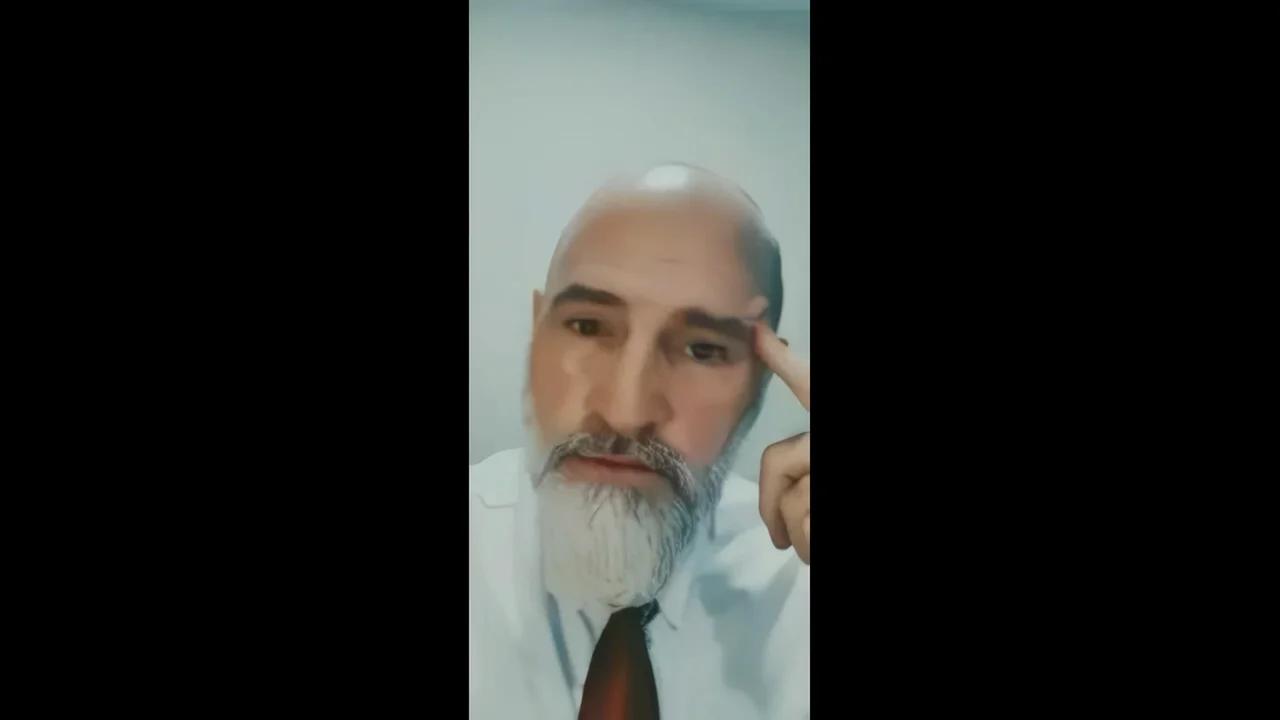
Matteo Renzi walks into a room and the air pressure changes. It is a physical phenomenon. He does not carry the weary, slumped shoulders of a man who was once the youngest Prime Minister in Italian history and then watched his political capital burn in a 2016 constitutional bonfire. Instead, he moves with the restless energy of a strategist who knows that in the messy, high-stakes theater of European politics, being right is often more dangerous than being popular.
The cameras of France 24 are cold, unblinking eyes. They capture the sharp tailoring and the sharper tongue, but they often miss the weight of the moment. We are at a crossroads where the old maps of Brussels and Rome no longer work. To understand what Renzi is saying now, you have to look past the scrolling news tickers and see the tectonic plates shifting beneath the feet of every citizen from Lisbon to Warsaw. If you liked this article, you might want to look at: this related article.
The Architect in the Ruins
Politics is rarely about the laws written on paper. It is about the stories we tell ourselves to feel safe. For years, the story of Europe was one of inevitable progress—a slow, steady march toward a unified, prosperous family. Renzi was the "Demolition Man," the bold outsider from Florence who promised to tear down the suffocating bureaucracy of Italy and, by extension, the stagnant thinking of the European Union.
He failed. Or rather, the system proved more resilient than his ambition. For another look on this event, check out the recent update from The Guardian.
When he speaks today, there is a haunting quality to his warnings. He isn't just a former leader; he is a survivor of the populist wave that is currently threatening to swamp the entire continent. He looks at the current leadership and sees a lack of imagination that borders on the terminal. The stake isn't just a percentage point of GDP or a minor adjustment to migration policy. It is the survival of a liberal order that is being squeezed between an aggressive East and an increasingly isolationist West.
Consider a hypothetical shopkeeper in a small town outside Milan. Let’s call him Marco. Marco doesn’t care about the intricacies of the ESM or the nuance of parliamentary procedure. Marco cares that his energy bills have tripled and that the grand promises of the European project feel like a broadcast from a distant planet. Renzi’s message is that if the center-left and the moderates cannot find a way to speak to Marco’s fear without descending into demagoguery, the project is over.
The French Connection and the Shadow of War
The relationship between Paris and Rome has always been a volatile dance of ego and necessity. Renzi has long been an ally of the "Macronist" vision—a Europe that protects but also a Europe that exerts power. But power requires more than speeches. It requires a hard-nosed realization that the peace dividend we’ve lived on since 1945 has been spent.
The war in Ukraine changed everything. It stripped away the luxury of indecision. Renzi’s stance is one of uncomfortable realism: Europe must be a "player," not just a "playground." When he discusses the need for a common European defense, he isn't talking about shiny new tanks. He is talking about the fundamental right of a continent to determine its own destiny without waiting for a phone call from Washington or a threat from Moscow.
But how do you build a military when your citizens are arguing over the price of bread? This is the paradox Renzi navigates. He argues that we have focused too much on the "rules" of the Union and not enough on its "soul." We have created a Europe of accountants when what we needed was a Europe of poets and generals.
The tension is visible. You can see it in the way he brushes off questions about his own popularity. He knows he is a polarizing figure. He knows that many see him as the man who gambled the country on a referendum and lost. Yet, there is a liberation in having nothing left to lose. It allows for a brutal honesty that currently sitting leaders, terrified of the next poll, cannot afford.
The Ghost in the Machine
We often mistake silence for stability. For a few years, it seemed as though the populist fever had broken. But it was only a localized remission. The voices calling for walls and exits are louder than ever. Renzi’s role now is that of a Cassandra—a man cursed to see the coming storm while others are still arguing over who gets to hold the umbrella.
He speaks of a "Third Way" that isn't the watered-down neoliberalism of the nineties, but a radical centrism that isn't afraid to be unpopular. It is a lonely position. The political middle has become a scorched-earth zone, caught between the fire of the far-right and the ideological purity of the hard-left.
To watch him navigate an interview is to watch a grandmaster play a game of chess against a ticking clock. He isn't just answering questions; he is laying traps. He is reminding the audience that while Italy might be his home, Europe is his horizon. He is pushing for a reform of the veto system in Brussels, arguing that a single country should not be able to hold the entire continent hostage. It’s a technical point that sounds dry until you realize it’s the difference between a Europe that can stop a genocide or a financial collapse and a Europe that writes a polite letter of concern while the house burns down.
The Cost of Hesitation
There is a specific kind of silence that falls over a room when the truth is spoken too loudly. Renzi specializes in that silence. He points out the hypocrisy of a continent that wants the benefits of global trade but refuses to build the infrastructure to compete with China. He mocks the "bureaucratic madness" that regulates the curvature of cucumbers while ignoring the digital sovereignty of its citizens.
The invisible stakes are the lives of the next generation. If the European experiment fails, it won't be with a bang. It will be with a slow, agonizing slide into irrelevance. It will be a continent that becomes a museum for wealthy tourists from more vibrant economies.
Renzi refuses to accept that fate.
He is an optimist, but a scarred one. He believes in the power of the individual to change the course of history, perhaps because he tried so hard to do it himself. His critics call him arrogant. His supporters call him visionary. Both are probably right. But in a world of cardboard politicians who read from scripts written by focus groups, his jagged edges are a relief.
The interview ends, the lights dim, and the Florentine ghost steps back into the shadows of the European stage. He is not gone. He is waiting. He knows that the cycle of history is turning, and soon, the people who mocked his warnings will be looking for a map.
The question is whether there will be anything left to save when they find it. Europe is not a guarantee; it is a choice made every single morning by millions of people who decide that despite their differences, they are stronger together. If we forget that, we don't just lose a union. We lose the only shield we have against a future that doesn't care about our past.
Matteo Renzi is still talking. The only question is whether anyone is actually listening before the music stops.