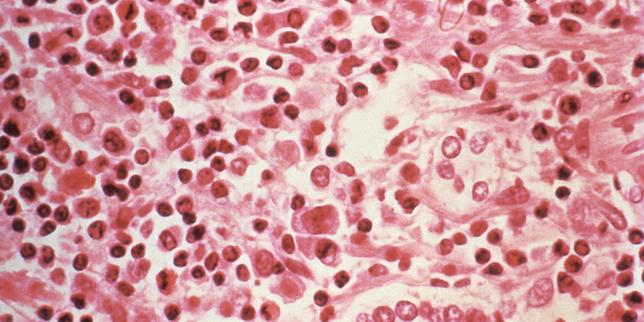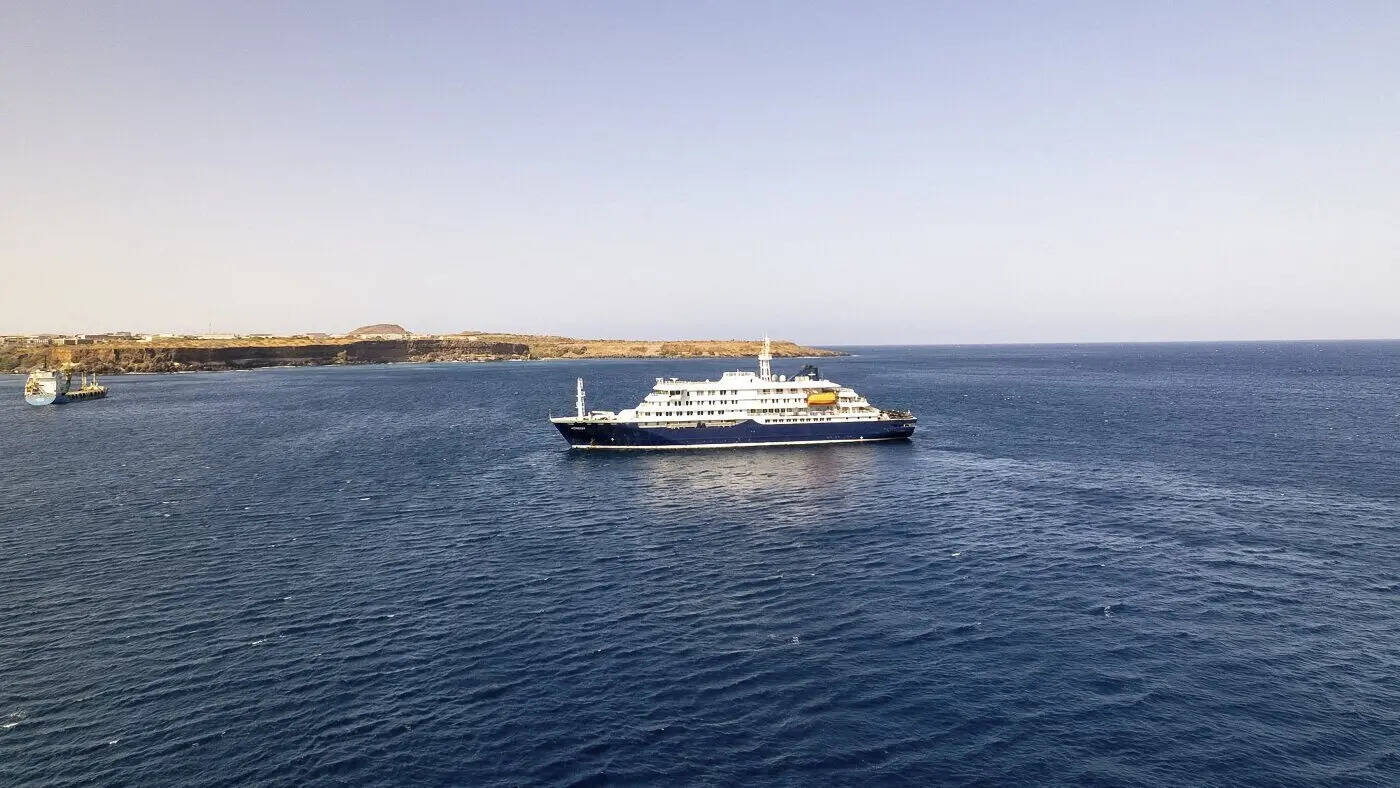
The Hantavirus outbreak aboard the expedition vessel MV Hondius represents a breakdown in biosafety protocols within a closed-loop system. While public health messaging often focuses on the generalized fear of zoonotic spillover, the actual risk is a function of specific environmental variables, viral shedding kinetics, and the failure of respiratory barriers. To understand the risk, one must look beyond the symptoms and analyze the mechanical transmission vectors that allow a rural, rodent-borne pathogen to penetrate a high-end maritime environment.
The Transmission Calculus of Hantavirus
Hantavirus Pulmonary Syndrome (HPS) is not a byproduct of casual contact but a result of high-concentration viral inhalation. The virus, primarily of the Orthohantavirus genus, thrives in the excreta of specific rodent reservoirs—in the Americas, typically the deer mouse (Peromyscus maniculatus). The path from a rodent burrow to a human lung follows a rigorous progression:
- Desiccation and Aerosolization: The virus remains viable in dried urine, droppings, and saliva. Physical disturbance of these materials suspends viral particles in the air.
- Inhalation Load: The severity of the infection often correlates with the concentration of the aerosolized particles inhaled. In confined spaces like ship holds, HVAC systems, or storage lockers, this concentration reaches critical mass.
- Pulmonary Binding: The virus targets the endothelial cells in the lungs, triggering an immune response that leads to vascular leakage.
The MV Hondius incident highlights a failure in the Primary Barrier Strategy. In maritime logistics, cargo and supplies often originate from ports where rodent control may be substandard. When infested materials are brought into the controlled environment of a vessel, the ship's ventilation system transforms from a comfort feature into a distribution network for pathogens.
Deconstructing the Clinical Progression
Hantavirus is characterized by a deceptive prodromal phase that mimics common influenza, leading to frequent misdiagnosis and delayed intervention. Practitioners must categorize the progression into three distinct physiological windows.
Phase I: The Febrile Prodrome (Days 1–5)
Patients exhibit non-specific symptoms: myalgia (specifically in the large muscle groups of the legs and back), fever, and fatigue. The diagnostic difficulty here is the absence of respiratory distress. However, a key differentiator is the rapid decline in platelet counts (thrombocytopenia). If a patient has a history of potential exposure—such as recent travel to endemic regions or contact with stored goods—and shows a dropping platelet count, Hantavirus must be the primary working hypothesis.
Phase II: The Cardiopulmonary Crisis (Days 5–10)
This is the "critical window" where the mortality rate, which can reach 38%, is determined. The virus increases capillary permeability. The lungs fill with fluid not because of heart failure (as seen in many elderly patients), but because the blood vessels themselves have become porous.
- Capillary Leak Syndrome: The transition from "flu-like" to "respiratory failure" can occur in as little as four to twenty-four hours.
- Hypotension and Shock: As fluid leaves the vascular space and enters the lungs, the blood pressure drops precipitously, leading to cardiac complications.
Phase III: The Diuretic Recovery
For survivors, the recovery is often as rapid as the onset. The body begins to reabsorb the pulmonary edema, and the patient enters a phase of heavy urination as the vascular system stabilizes.
Mechanical vs. Biological Vectors in Maritime Outbreaks
The investigation into the MV Hondius requires a forensic look at the ship's internal architecture. Public health agencies probe these outbreaks by mapping the "Path of Highest Resistance." If the virus did not originate from the passengers themselves (as human-to-human transmission is exceptionally rare, limited primarily to the Andes virus strain in South America), the investigation focuses on three structural vulnerabilities:
- Supply Chain Infiltration: Pallets or food crates stored in rodent-infested warehouses prior to loading.
- HVAC Sequestration: Viral particles trapped in filters or ductwork that are disturbed during routine maintenance or high-load operations.
- Interstitial Spaces: The gaps between the ship’s hull and interior cabins where rodents can nest undisturbed by daily cleaning routines.
The "experts" cited in mainstream reporting often focus on personal hygiene, but in a maritime or industrial context, hygiene is secondary to Environmental Engineering. Hand washing does little to stop the inhalation of aerosolized dust from a vent located six feet above a sleeping passenger.
Risk Mitigation Framework for Isolated Operations
For expedition leaders and facility managers, the strategy must shift from "Reaction" to "Systemic Exclusion." This involves a multi-tiered defense:
1. The Exclusion Barrier
Rodents can enter through any opening larger than a quarter-inch. In maritime and remote facilities, this necessitates the use of steel wool or metal flashing around all cable penetrations and pipe entries. Plastic or wood barriers are insufficient as they are easily breached by gnawing.
2. The Atmospheric Control Protocol
When cleaning potential infestation sites, the standard "sweep and mop" approach is a high-risk activity because it creates the very aerosols that cause infection.
- Wet Decontamination: All surfaces must be saturated with a 10% bleach solution or a high-level disinfectant for at least five minutes before any movement of the material.
- Negative Pressure: During deep cleaning of storage areas, HEPA-filtered negative air machines should be used to ensure any disturbed particles are captured rather than circulated.
3. Tactical PPE Requirements
Standard N95 masks are the minimum requirement, but in high-load environments (like cleaning an attic or a ship’s hold), a P100 respirator is mandatory. The difference lies in the oil-proof rating and the higher filtration efficiency against sub-micron viral particles.
The Diagnostic Bottleneck
The current limitation in managing Hantavirus is the lack of a rapid, point-of-care diagnostic test. Most confirmed cases are diagnosed via enzyme-linked immunosorbent assay (ELISA) to detect IgM antibodies or through reverse transcription-polymerase chain reaction (RT-PCR) in specialized labs.
In the MV Hondius scenario, the lag time between the first symptom and the lab result creates a "Decision Gap." During this gap, the patient is often treated for standard pneumonia with antibiotics, which have zero effect on a viral pathogen. The strategy in remote settings must therefore be Presumptive Management:
- Immediate evacuation to a facility with Extracorporeal Membrane Oxygenation (ECMO) capabilities.
- Aggressive monitoring of oxygen saturation levels.
- Avoidance of over-hydration, which can exacerbate pulmonary edema.
Critical Analysis of Public Health Response
The probing of the MV Hondius by agencies like the CDC or international maritime authorities isn't just about finding the "index mouse." It is about assessing the Vessel Sanitation Program (VSP). Most ships focus heavily on gastrointestinal pathogens like Norovirus, utilizing bleach-based surface cleaning. However, the Hantavirus risk profile suggests that air quality and rodent-proofing of structural voids are frequently undervalued in these audits.
There is also the matter of geographical displacement. Hantavirus is often viewed as a rural land-based threat. The appearance of the virus on a vessel in the Antarctic or sub-Antarctic regions proves that the virus is "geographically agnostic" when it hitches a ride on human logistics chains. The risk is not where the ship is located, but where the ship was supplied.
Future Projections and Biosecurity Requirements
The expansion of adventure tourism into increasingly remote and extreme environments increases the probability of human-zoonotic intersections. The MV Hondius is not an isolated fluke but a signal of a larger trend in global travel: the "Vector-Borne Supply Chain."
Future biosecurity for expedition travel must incorporate:
- Thermal Imaging for Pest Detection: Identifying rodent heat signatures in wall voids during port turnarounds.
- DNA Barcoding of Dust Samples: Using environmental DNA (eDNA) to identify the presence of specific rodent species or viral fragments before symptoms appear in crew or passengers.
- Redesigned HVAC Filtration: Moving toward UVC-light integration within ductwork to neutralize viral DNA in transit.
Operators must accept that standard cleaning protocols are designed for bacteria, not aerosolized viral threats. The transition from a "hospitality mindset" to a "biosafety mindset" is the only way to prevent the recurring shutdown of multimillion-dollar expedition assets.
Deploying a comprehensive rodent exclusion audit immediately upon the arrival of new cargo in remote staging areas is the most cost-effective method to reduce the transmission coefficient. Relying on symptom monitoring is a reactive failure; the only viable strategy is the aggressive management of the environmental interface where the rodent reservoir meets human-occupied airspaces.