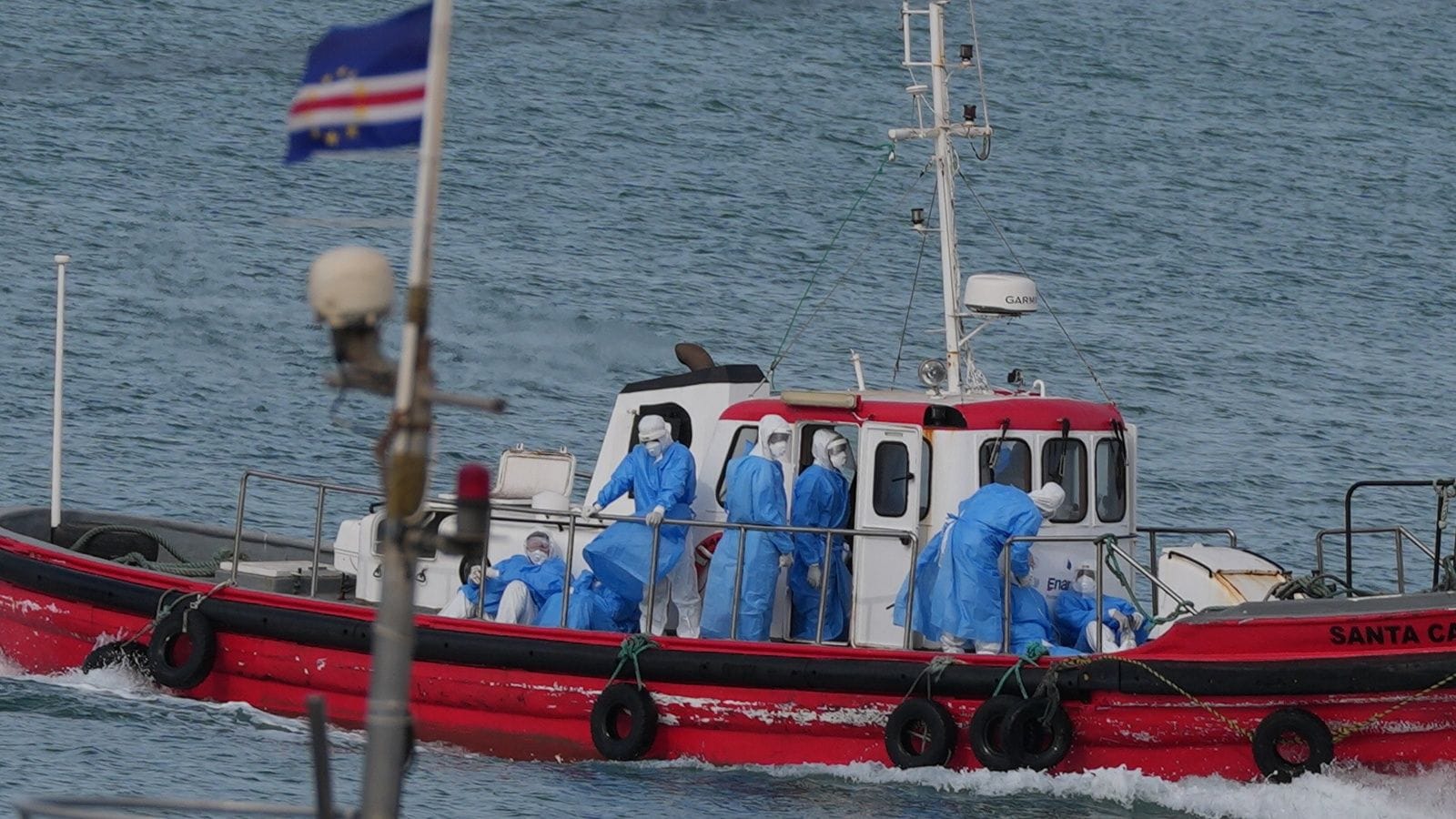
The recent incident involving a Hantavirus outbreak on a cruise ship departing from Cape Verde, resulting in three medical evacuations, highlights a critical vulnerability in maritime transit biosecurity. When infectious agents intersect with closed-loop transit systems, the resulting operational disruptions expose significant gaps in infection control, passenger routing, and emergency health logistics. Understanding this dynamic requires analyzing the transmission vectors, the operational response parameters of the vessel, and the economic variables that govern maritime containment protocols.
The Biosecurity Failure Points
To dissect the Cape Verde incident, one must examine the specific conditions that permit rodent-borne pathogens like Hantavirus to infiltrate modern cruise infrastructure. Cruise ships are complex environmental systems where high occupant density meets confined ventilation networks and shared water or food sources. In other updates, take a look at: How Weight Loss Drugs Changed the Way We Eat Frozen Dinners Forever.
The transmission cycle of Hantavirus typically involves inhalation of aerosolized virus from rodent excreta. In a maritime context, the introduction of the virus usually occurs prior to departure through contaminated provisions or the physical boarding of infected rodents in port facilities. Once aboard, the virus can spread if vector control measures fail.
The failure to contain the outbreak at the initial point of exposure stems from three primary operational bottlenecks: National Institutes of Health has provided coverage on this important topic in great detail.
- Vector Infiltration Risk: Storage areas and dry goods holds serve as potential harborage for rodents. If inspections are non-exhaustive, the probability of introducing a Hantavirus reservoir increases exponentially.
- Latency in Symptom Onset: The incubation period for Hantavirus Pulmonary Syndrome (HPS) ranges from one to eight weeks. Consequently, passengers and crew may board while asymptomatic, rendering standard thermal screening and visual triage ineffective at the gangway.
- Ventilation and Aerosolization: Modern cruise ships rely on centralized HVAC systems. If rodents access ductwork or void spaces, viral particles can be recirculated across multiple decks, turning a localized contamination event into a system-wide exposure risk.
The Economics of Maritime Biosecurity
Managing an infectious disease outbreak on a commercial vessel involves navigating a complex cost function. Operators must balance the financial loss of itinerary deviation, medical evacuation costs, and reputational damage against the capital expenditure required for rigorous preventative measures.
$$\text{Total Incident Cost} = C_{\text{evac}} + C_{\text{deviation}} + C_{\text{disinfection}} + C_{\text{regulatory}} + L_{\text{reputational}}$$
In the Cape Verde scenario, the evacuation of three individuals required significant logistical coordination with local maritime rescue services and health authorities. The cost of such an operation includes not only the helicopter or launch vessel deployment but also the subsequent disruption to the vessel's schedule and the potential quarantine of all exposed individuals.
The cost of prevention, conversely, represents a fixed operational expense. Implementing a comprehensive vector control program—including rodent-proofing structural elements, deploying traps, and conducting microbiological testing of provisions—costs a fraction of a major incident. However, without strict regulatory enforcement in certain jurisdictions, the economic incentive to minimize these preventative costs often outweighs the perceived risk.
The Chain of Transmission
Analyzing the cause-and-effect relationship between the vessel's environment and the outbreak reveals a clear sequence of events:
- Source Contamination: The vessel takes on stores in a port where local rodent populations carry the pathogen.
- Vector Proliferation: Inadequate monitoring of storage spaces allows the vectors to establish a temporary presence or deposit infectious material on supplies.
- Aerosol Generation: Crew members handling stores or cleaning infested spaces disturb the dried excreta, creating an aerosol cloud.
- Inhalation and Infection: Asymptomatic individuals inhale the viral particles. The enclosed recirculation of the HVAC system broadens the exposure envelope.
- Acute Onset: The disease manifests as Hantavirus Pulmonary Syndrome, necessitating immediate medical intervention.
- Emergency Evacuation: The vessel alters course to Cape Verde to offload the critical patients, triggering a port-state intervention.
Operational Limitations and Risk Mitigation
Maritime operators must recognize the limitations of current shipboard medical facilities. Cruise ships carry limited supplies of personal protective equipment (PPE) and lack the specialized containment units required for highly infectious respiratory pathogens. The medical staff on board are equipped to handle trauma and stabilization, not long-term isolation or intensive care for viral syndromes requiring mechanical ventilation and hemodynamic support.
To address these systemic vulnerabilities, the response strategy must shift from reactive evacuation to proactive containment at the design and operational level.
- Air Handling Isolation: Retrofitting vessels with high-efficiency particulate air (HEPA) filtration units in critical zones or installing localized exhaust ventilation systems reduces the likelihood of cross-contamination.
- Supply Chain Auditing: Implementing strict supplier audits and mandatory cold-chain and dry-storage inspections at every port of call creates a barrier against vector ingress.
- Rapid Diagnostics: Integrating point-of-care molecular testing kits allows medical officers to differentiate between seasonal influenza, COVID-19, and Hantavirus within minutes, rather than relying on delayed onshore laboratory results.
Strategic Action Plan
Maritime operators should transition from passive monitoring to a rigorous biosecurity framework based on continuous environmental surveillance. The immediate priority is the implementation of an automated rodent-detection network utilizing pheromone-based traps and real-time sensor monitoring in lower-deck storage compartments. Coupled with mandatory crew training on hazardous material handling in enclosed spaces, this approach neutralizes the risk before it reaches the passenger areas.