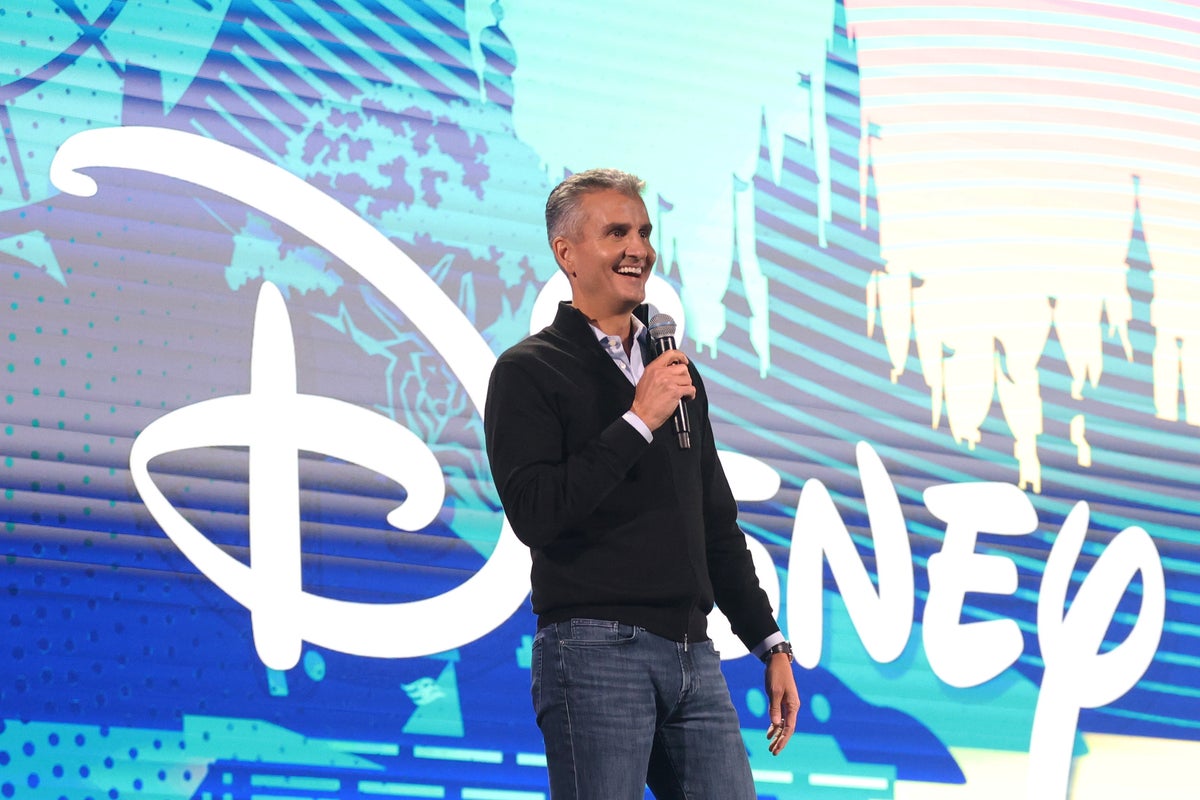
The media loves a funeral. When a new CEO steps into the Mouse House and finds three "disasters" waiting in the lobby, the press starts drafting the obituary for the Magic Kingdom. They point to hemorrhaging linear TV assets, a bloated streaming budget, and a creative engine that seems to be coughing up nothing but uninspired sequels. They call it a crisis. I call it a cleansing fire.
The lazy consensus suggests that Disney’s new leadership is walking into a trap. The reality? These supposed disasters are the only thing that will allow a leader to actually dismantle the calcified bureaucracy that has strangled Disney’s innovation for a decade. A healthy company is impossible to change. A company on fire is a playground for a radical architect.
The Linear TV "Death Spiral" is a Gift
Mainstream analysts are obsessed with the decline of cable. They watch the subscriber numbers for ESPN and ABC drop and scream that the sky is falling. They ask: "How will the new CEO save linear television?"
That is the wrong question. You don't save a terminal patient; you harvest the organs to save the healthy ones.
The decline of linear TV provides the new CEO with the perfect "bad guy." It’s an external market force that justifies the massive, painful layoffs and the divestment of legacy assets that should have happened five years ago. If the business were booming, the board would never allow the CEO to gut the overhead. Now? He has a mandate to be a butcher.
In the world of corporate restructuring, there is a concept known as The Burn Rate Pivot. When your legacy cash cow starts to die, you don't pour money into its life support. You accelerate its transition into a utility.
- The Consensus: Disney needs to find a way to make cable profitable again.
- The Reality: Disney needs to use the "crisis" of cable to justify a total abandonment of the old-guard media model.
I have seen companies blow millions trying to "pivot" while keeping everyone happy. It never works. You need the smell of smoke in the hallway to get people to jump. The new CEO isn't facing a disaster in linear; he's being handed a chainsaw and a license to use it.
The Streaming Deficit is a Math Problem, Not a Creative One
The second "disaster" everyone harps on is the billions lost in streaming. The narrative is that Disney+ is a failure because it isn't Netflix.
This is a fundamental misunderstanding of how ecosystems work. Netflix is a pure-play content library. Disney is an IP flywheel. Every dollar "lost" on a Marvel series isn't just a line item on a streaming P&L. It is an investment in theme park attractions, merchandise, and multi-generational brand loyalty.
However, the current model is broken—just not for the reasons the critics think. The problem isn't that they spent too much; it's that they spent it without friction.
When you have a "limitless" budget to build out a streaming service, you get creative bloat. You get $200 million movies that look like they were filmed in a basement. The "disaster" of streaming losses is the best thing that could happen to Disney’s creative output because it reintroduces the one thing art needs to be good: scarcity.
The Scarcity Principle in Content
- Lower Budgets, Higher Stakes: When a CEO has to answer for every cent, the "fix it in post" mentality dies.
- Curation Over Volume: The "Netflix-lite" strategy of dumping content to see what sticks is over. Disney is finally being forced to act like a premium studio again.
- The Death of the Mid-Tier: If it isn't an event, it shouldn't exist.
By framing the streaming losses as a catastrophe, the CEO can kill the "quantity over quality" mandate that diluted the brand. He can return to a model where a Disney release actually feels like an event, not a notification on a phone.
The Creative "Identity Crisis" is Just Corporate Weight Gain
The third disaster cited by the "doom and gloom" crowd is the supposed loss of the Disney magic. They point to box office duds and claim the brand has lost its way.
The brand hasn't lost its way. It just got fat.
Disney’s creative engine became a victim of its own success. After the 2019 peak, the company started believing its own press. They thought they could put the Disney logo on a toaster and people would pay $15 to watch it pop.
A "disaster" at the box office is the only thing that resets the ego of a creative studio. It forces the question: "Who are we actually making this for?"
I've worked with firms that hit a streak of wins and then immediately stopped taking risks. They start "managing" the brand instead of "building" it. The current string of failures is the cold water the new CEO needs to throw on the creative teams. It’s a signal that the audience isn't a guaranteed atmospheric constant—it’s something you have to earn every single time.
Stop Asking How to Fix Disney
If you’re asking how the new CEO will "fix" these three disasters, you’re missing the point. The disasters are the tools.
Imagine a scenario where the new CEO walked in and everything was fine. He would be a caretaker. He would be hamstrung by "if it ain't broke, don't fix it." He would spend five years watching the company slowly move toward irrelevance while the board patted him on the back for maintaining the status quo.
Instead, he walks into a building that is structurally sound but currently on fire.
He can blame the previous administration for the smoke. He can ignore the complaints of the staff as he tears down walls. He can rebuild the entire internal architecture of the company under the guise of "survival."
The Counter-Intuitive Playbook
- Kill the sacred cows: Use the "financial crisis" to sell off assets that no longer fit the 2030 vision, regardless of their historical sentiment.
- Centralize Power: Modern Disney became a series of feuding kingdoms (Marvel vs. Lucasfilm vs. Pixar). A crisis allows the CEO to strip these fiefdoms of their autonomy and force them back into a singular strategic direction.
- Price for Value: Stop chasing subscriber counts. The "disaster" of churn is just a signal that the product was underpriced or overproduced. Pivot to high-margin, high-intent users.
The pundits want to see a "safe pair of hands" navigate these storms. That’s a recipe for a slow death. Disney doesn't need a navigator; it needs a demolition expert who knows how to build something better on the cleared land.
The next time you see a headline about Disney’s "week of horror" or "mounting disasters," remember that in the world of high-stakes corporate turnaround, blood in the water is an invitation to change the menu.
The disasters aren't the problem. They are the permission slip to finally fix a company that has been coasting on its 20th-century laurels for far too long. If the new CEO is smart, he won't try to put the fires out. He'll use them to forge a weapon.
Stop worrying about the mouse. Start watching the man with the matches.