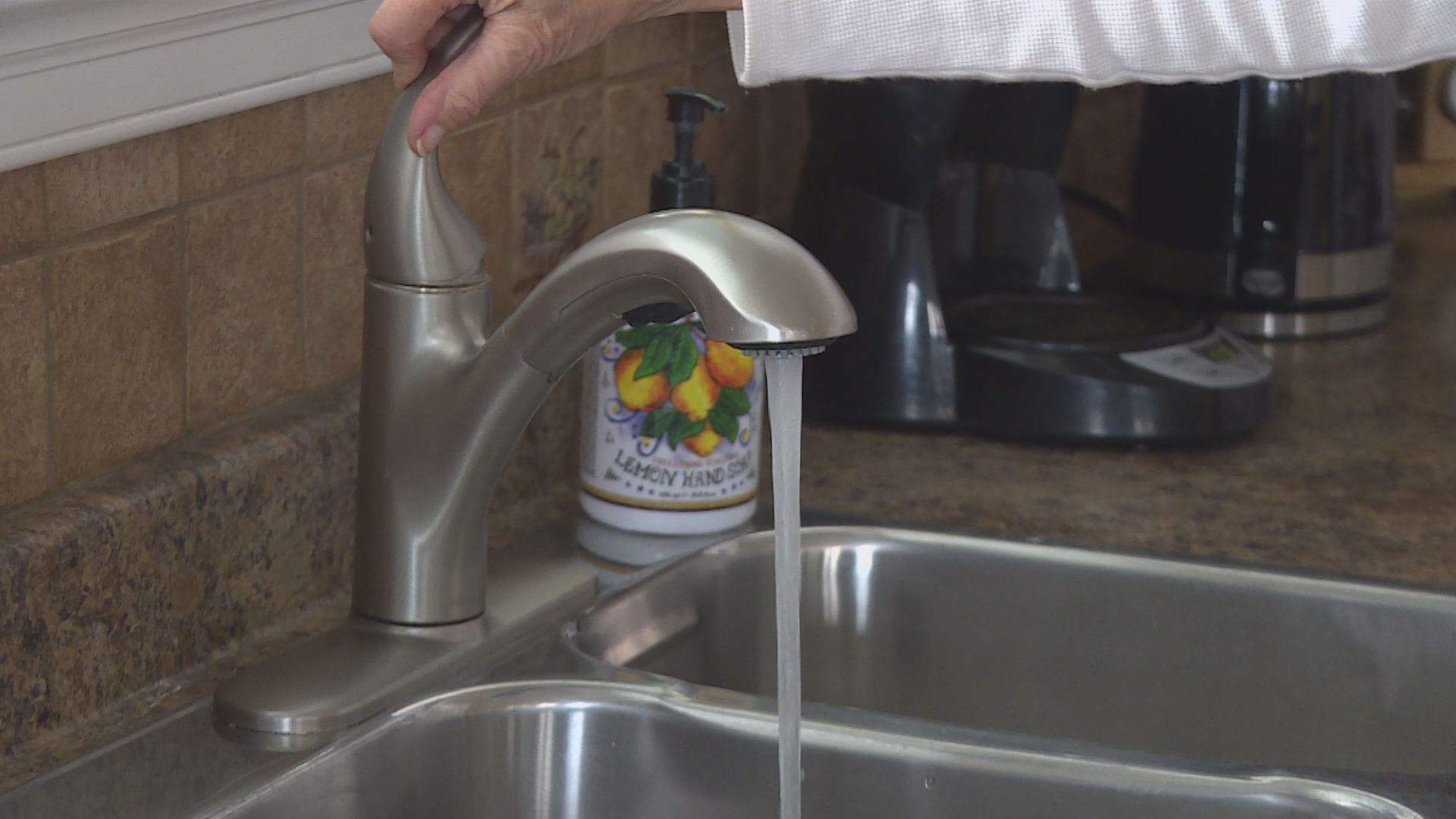
The residents of Minden Hills Township woke up to a reality that remains a nightmare for any community dependent on the purity of the Canadian Shield. A fuel spill on South Lake has triggered a drinking water advisory, but the surface-level reporting of the incident misses the structural rot beneath the surface. This isn't just about a single leak or a localized accident. It is a stark reminder that our rural infrastructure is one bad afternoon away from a total shutdown. When petroleum hits the water in a place like the Haliburton Highlands, the damage isn't measured in hours. It is measured in seasons, property values, and long-term ecological health.
The township issued the advisory after a significant volume of fuel—specifically reported as heating oil or gasoline depending on the proximity to the source—entered the South Lake ecosystem. For those drawing water directly from the lake or using shallow wells nearby, the instructions are grim. Do not drink the water. Do not boil it, as boiling can actually concentrate the toxins or release harmful vapors into the air. This isn't a bacterial issue you can kill with heat. This is chemical warfare against a local utility.
The Anatomy of a Rural Water Crisis
Most people assume that a drinking water advisory is a simple "on-off" switch managed by local bureaucrats. The reality is far more chaotic. When a spill occurs on a body of water like South Lake, the geography of the Shield works against the cleanup crews. The rocky terrain and interconnected waterways mean that a spill doesn't just sit in one place. It migrates.
The immediate concern is the presence of Benzene, Toluene, Ethylbenzene, and Xylenes—collectively known as BTEX. These compounds are the "greatest hits" of water contamination. They are volatile, they are toxic, and they move through the water column with terrifying efficiency. Even at low concentrations, they can render a private well or a municipal intake unusable. The "why" behind this specific spill often points to aging private infrastructure. In many cases across Ontario, old fuel tanks used for seasonal heating are the culprits. They sit in backyards, ignored for decades, until the metal finally gives way to the elements.
The Failure of Private Oversight
We have a regulation problem that nobody wants to talk about. While municipal systems are governed by the Safe Drinking Water Act, private fuel storage on residential property exists in a murky middle ground of enforcement.
- Inspection Gaps: There is no mandatory annual inspection for residential heating oil tanks in many rural jurisdictions.
- The Insurance Trap: Homeowners often find out their insurance doesn't cover "gradual" leaks, only "sudden and accidental" ones, leading to delayed reporting.
- Environmental Migration: South Lake is part of a larger chain. What happens here doesn't stay here.
The township’s response has been reactive, which is the only thing a small municipality can be when it lacks a dedicated environmental rapid-response budget. They are relying on provincial oversight from the Ministry of the Environment, Conservation and Parks (MECP). But the Ministry is stretched thin. By the time an inspector arrives from a regional office, the fuel has already bonded with the shoreline sediments.
Why Boiling the Water is a Dangerous Myth
The first instinct for many residents during a water alert is to reach for the kettle. In the case of a fuel spill, that is the worst possible move. Petroleum products have a lower boiling point than water in many instances, or they aerosolize. If you boil water contaminated with gasoline or fuel oil, you are essentially turning your kitchen into a gas chamber. You are breathing in the very toxins the advisory is trying to keep out of your bloodstream.
This highlights a massive gap in public literacy regarding water safety. We have been conditioned to think of "bad water" as "water with bugs in it." We think of E. coli. We think of Giardia. Chemical contamination requires a completely different mental framework. You cannot see it. You might not even smell it if the dilution is high enough, but the long-term carcinogenic risks remain.
The Economic Ripple Effect
Minden Hills isn't just a collection of houses; it's a seasonal economy. A drinking water advisory on a major lake like South Lake during a transition period between seasons can tank property values and kill the short-term rental market overnight. Who wants to rent a cottage where you can’t brush your teeth with the tap water?
We are looking at a potential loss of millions in local economic activity if these advisories become a recurring theme. And they will. The infrastructure in the Highlands is aging. The tanks are rusting. The pipes are brittle. Without a proactive provincial grant system to help low-income or seasonal residents replace aging fuel systems, South Lake is just the first domino.
The Hidden Cost of Cleanup
When the spill is "contained," the headline usually disappears. The journalist moves on to the next story. But for the residents of Minden Hills, the story is just beginning. The remediation process for a fuel spill in a lake environment is an invasive, expensive, and often incomplete process.
- Booms and Skimmers: These work for surface tension, but they do nothing for the hydrocarbons that have dissolved into the water column.
- Soil Extraction: If the spill happened on land before reaching the water, tons of earth must be removed and treated as hazardous waste.
- Long-term Monitoring: Monitoring wells must be drilled. Water must be tested monthly, then quarterly, then annually.
Who pays for this? If the responsible party can’t be found or doesn't have the assets, the burden often falls on the taxpayer or the environment itself. It is a classic case of privatized profit (the convenience of cheap fuel storage) and socialized risk (the contamination of a public resource).
The Inadequacy of the Current Response
The current advisory for South Lake tells people to use bottled water. That is a band-aid on a gunshot wound. Providing 4-liter jugs at a community center doesn't solve the problem of a lake ecosystem that has been compromised. It doesn't address the wildlife—the loons, the fish, the microorganisms—that form the basis of the Highlands' appeal.
We need to move toward a model of Source Water Protection that has teeth. This means mandatory setbacks for fuel storage from any shoreline. It means a "Bounty for Basements" program where the government subsidizes the removal of old indoor and outdoor fuel tanks in exchange for heat pumps or safer storage solutions.
The Reality of the "Safe" Threshold
The government will eventually tell you the water is safe again. They will point to parts per billion (ppb) and say the levels are below the threshold. But "safe" is a relative term in toxicology. The provincial standards are often based on the average adult, not the developing fetus or the immunocompromised senior.
If you live in the affected area, do not settle for the "all clear" from a single press release. Demand the raw data. Ask for the specific BTEX concentrations. If the township or the Ministry won't provide them, that is a red flag. Transparency is the only currency that matters in a public health crisis.
The spill at South Lake is a warning shot. It is a signal that the era of taking the purity of the Highlands for granted is over. We are living on borrowed time with 20th-century hardware in a 21st-century environment. The water is the lifeblood of Minden Hills. If we don't protect it with more than just posters and plastic jugs, we will lose the very thing that makes this place worth living in.
Inspect your own tanks today. Not because the law tells you to, but because your neighbor’s well depends on it.
The liability of silence is far more expensive than the cost of a new tank.