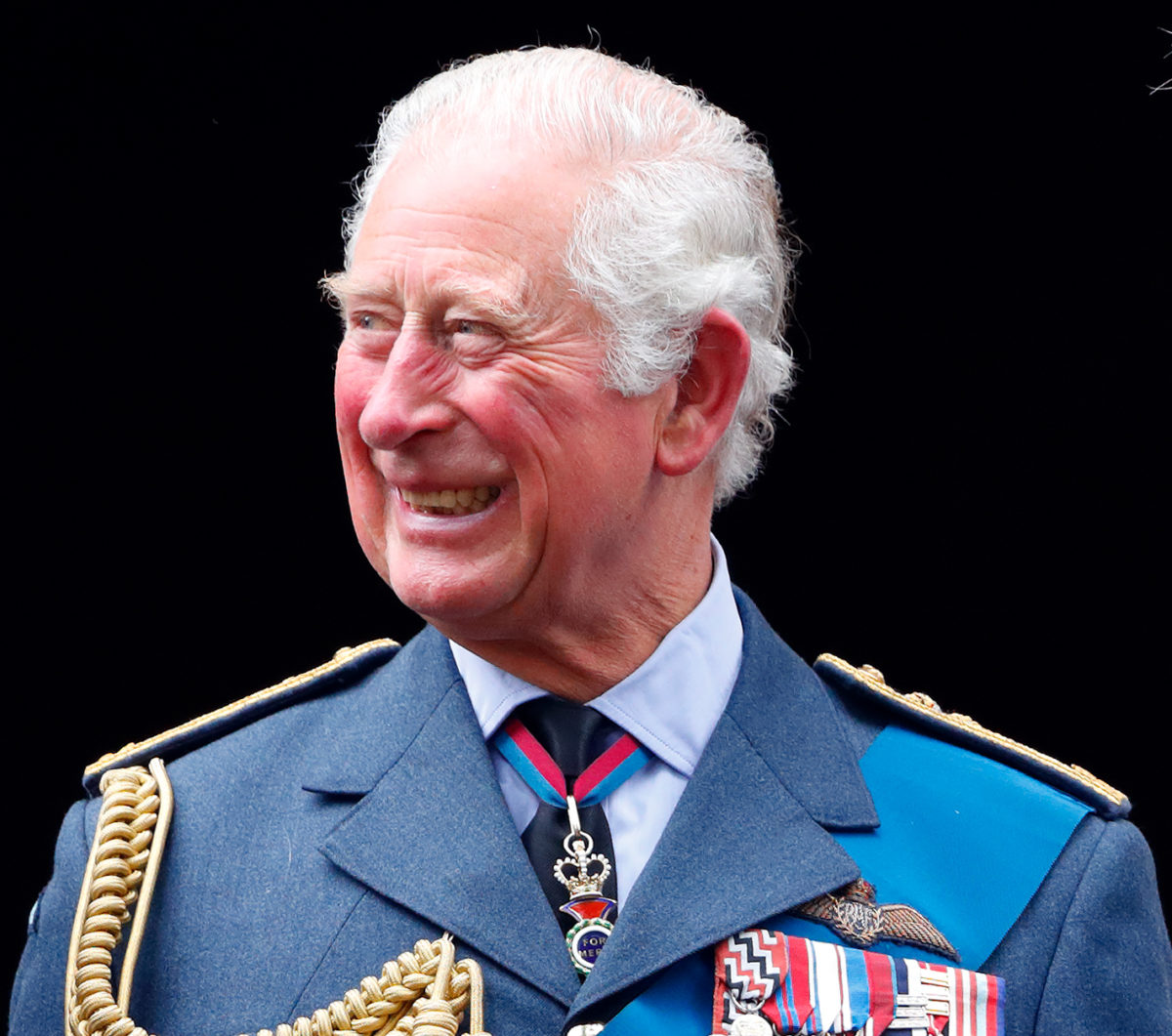
The press release is a tired ritual. Defense ministers meet on the sidelines of a multilateral summit, exchange pleasantries about "deepening ties," pose for a stiff photograph, and the media treats it like a tectonic shift in regional security. The recent meeting between Rajnath Singh and his Kazakh counterpart in Bishkek is being framed as a strengthening of the India-Kazakhstan defense pillar.
It isn't.
If you believe these choreographed sit-downs actually move the needle on regional stability, you are misreading the room. These meetings are less about strategic breakthroughs and more about managed signaling in a crowded neighborhood where Russia, China, and the West are all screaming for attention. India is playing a delicate game of visibility, but visibility is not the same as influence.
The Strategic Autonomy Myth
The standard narrative suggests that India is carving out a "third way" in Central Asia, providing an alternative to Chinese infrastructure debt and Russian security hegemony. This is a comforting thought for New Delhi, but it ignores the brutal reality on the ground. Kazakhstan shares a 7,600-kilometer border with Russia and a 1,700-kilometer border with China.
India, meanwhile, has no direct land access to the region.
Geography is a stubborn master. While Rajnath Singh discusses "expanding cooperation," the actual logistics of moving defense hardware or personnel between New Delhi and Astana remain a nightmare of bureaucratic hurdles and transit bottlenecks. India’s focus on the International North-South Transport Corridor (INSTC) is a decade-long project that still hasn't neutralized the geographic advantage held by the giants next door.
We talk about bilateral defense cooperation as if it exists in a vacuum. In reality, Kazakhstan is a founding member of the CSTO (Collective Security Treaty Organization). Their security architecture is hardwired into Moscow. To suggest that a few "bilateral talks" on the sidelines of a SCO meeting can pivot that architecture is intellectually lazy.
The SCO Is a Talk Shop for Rivals
The Shanghai Cooperation Organisation (SCO) is often described as the "Alliance of the East." In truth, it is a collection of rivals who share a mutual distrust of the West but have almost nothing else in common.
When India sits down with Kazakhstan in Bishkek, they aren't just talking to each other. They are performing for an audience.
- India is signaling to China: "We have friends in your backyard."
- Kazakhstan is signaling to Russia: "We have options beyond your hardware."
- Both are signaling to the West: "We are relevant players in the Eurasian heartland."
But look at the actual substance of these "agreements." They usually center on "capacity building," "joint exercises," and "exchange of information." These are the low-hanging fruits of diplomacy. They require minimal commitment and offer zero real-world deterrent. Real defense cooperation involves co-development of high-end tech, shared intelligence networks, and integrated logistics. None of that is happening here. India's defense exports to Central Asia are a rounding error compared to Russian sales.
Stop Asking if the Meeting Was Successful
The question "Was the meeting productive?" is the wrong question entirely. In diplomacy, the meeting is the product. The mere fact that it happened allows both sides to check a box.
If you want to know the truth about India’s influence in Kazakhstan, don't look at the defense minister's Twitter feed. Look at the trade balance. Look at the energy pipelines. Look at who is building the roads.
The "People Also Ask" sections of the internet want to know how India benefits from these ties. The honest, brutal answer? It provides a veneer of Great Power status without the heavy lifting. By maintaining these high-level contacts, India ensures it isn't completely shut out of the Central Asian conversation, even if it isn't the one leading it.
The Hard Truth About Hardware
Kazakhstan's military remains overwhelmingly equipped with Soviet-era and modern Russian systems. India, despite its "Make in India" push, is still the world's largest arms importer. It is a strange irony: two nations that rely heavily on foreign tech (often the same Russian tech) are meeting to discuss "defense cooperation."
What are they going to trade? Spare parts for T-90 tanks?
I have seen this movie before. In the early 2000s, there was a similar buzz about India’s military base in Tajikistan (Ayni). Billions of rupees were spent, and yet, India’s operational footprint in the region remains ghostly. If you can’t project power through a dedicated base, you certainly can’t do it through a thirty-minute bilateral in a Bishkek hotel room.
The Nuance New Delhi Misses
India’s approach to Central Asia is often too reactive. We show up to the SCO because we have to. We hold bilaterals because our peers do.
A truly disruptive strategy would involve leaning into what the others can't provide: soft power through digital public infrastructure. While China builds bridges and Russia sells missiles, India could be exporting the "India Stack"—UPI, digital identity, and health-tech. That creates a dependency that is much harder to break than a defense contract.
Instead, we stick to the old script. We talk about "shared history" and "security concerns." It’s safe. It’s professional. And it’s increasingly irrelevant.
The Risks of the Status Quo
There is a danger in this performative diplomacy. It creates an illusion of security. If a real crisis erupts in Central Asia—another "Bloody January" like Kazakhstan saw in 2022—India will be a spectator. In 2022, it wasn't New Delhi that Astana called; it was the CSTO. Russian paratroopers were on the ground within hours.
Unless India is prepared to offer that level of commitment, these bilateral defense talks remain a hobby, not a strategy.
We need to stop celebrating the handshake and start scrutinizing the delivery. The "bilateral on the sidelines" is the participation trophy of international relations. It keeps you in the game, but it doesn't mean you're winning.
If New Delhi wants to be a player in the heart of Eurasia, it needs to stop acting like a guest at someone else's party and start building its own house. Until then, these meetings are just expensive photo ops in cold climates.
The next time you see a headline about "deepening defense ties" in Central Asia, ask yourself one thing: If the shooting starts tomorrow, whose phone is ringing first? It won’t be India’s. And no amount of bilateral meetings in Bishkek will change that.
The theater is over. It’s time for realpolitik.