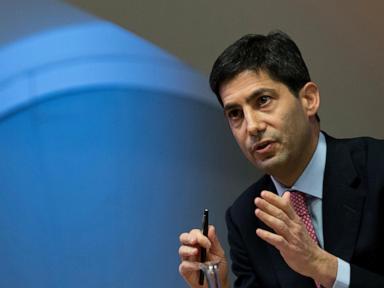
The Federal Reserve is currently an institution under siege, and today’s Senate Banking Committee hearing for Kevin Warsh is less a job interview than a tactical maneuver in a broader war for the American economy. President Donald Trump’s nominee to succeed Jerome Powell is walking into a room where the usual decorum of monetary policy discussion has been replaced by a raw, partisan struggle over the very existence of central bank independence.
Warsh is not merely a candidate for Fed Chair. He is the personification of a "regime change" that has been brewing in Mar-a-Lago and certain corners of Silicon Valley for years. While the headlines focus on his wealth or his ties to the 2008 financial crisis, the real story lies in the fundamental dismantling of the "Powell era" and the introduction of a high-risk economic experiment that relies on artificial intelligence to solve the stubborn problem of inflation.
The War for the Boardroom
The Senate hearing begins at 10 a.m. ET today, but the battle lines were drawn weeks ago. On one side, Senate Democrats and even some Republicans, like North Carolina’s Thom Tillis, are calling for a total halt to the proceedings. Their reasoning is unprecedented: they refuse to seat a new Chair while the Trump administration’s Justice Department pursues criminal investigations against sitting Chair Jerome Powell and Governor Lisa Cook.
This is the central friction of the moment. Powell, whose term expires May 15, has spent months defending himself against DOJ inquiries into renovation cost overruns at the Fed headquarters—a probe his allies call a "pretextual" attempt to force him out early for not cutting rates fast enough. By moving forward with Warsh now, the administration is effectively daring the Senate to ignore the optics of a president picking a successor while the current incumbent is under the microscope of federal investigators.
The AI Inflation Gamble
Warsh is often categorized as a "hawk"—someone who favors tight money and high rates to crush inflation. That was the Warsh of 2006. The 2026 version is something far more complex. He has spent recent months signaling a surprisingly "dovish" turn, arguing that the U.S. economy is on the cusp of a massive productivity boom driven by artificial intelligence.
His core premise is a supply-side bet. If AI can dramatically lower the cost of doing business, the economy can grow faster without triggering a price spiral. In this worldview, the Fed doesn't need to keep interest rates high to cool the economy; it can afford to slash them to support "households and small businesses" while the tech sector does the heavy lifting of keeping prices stable.
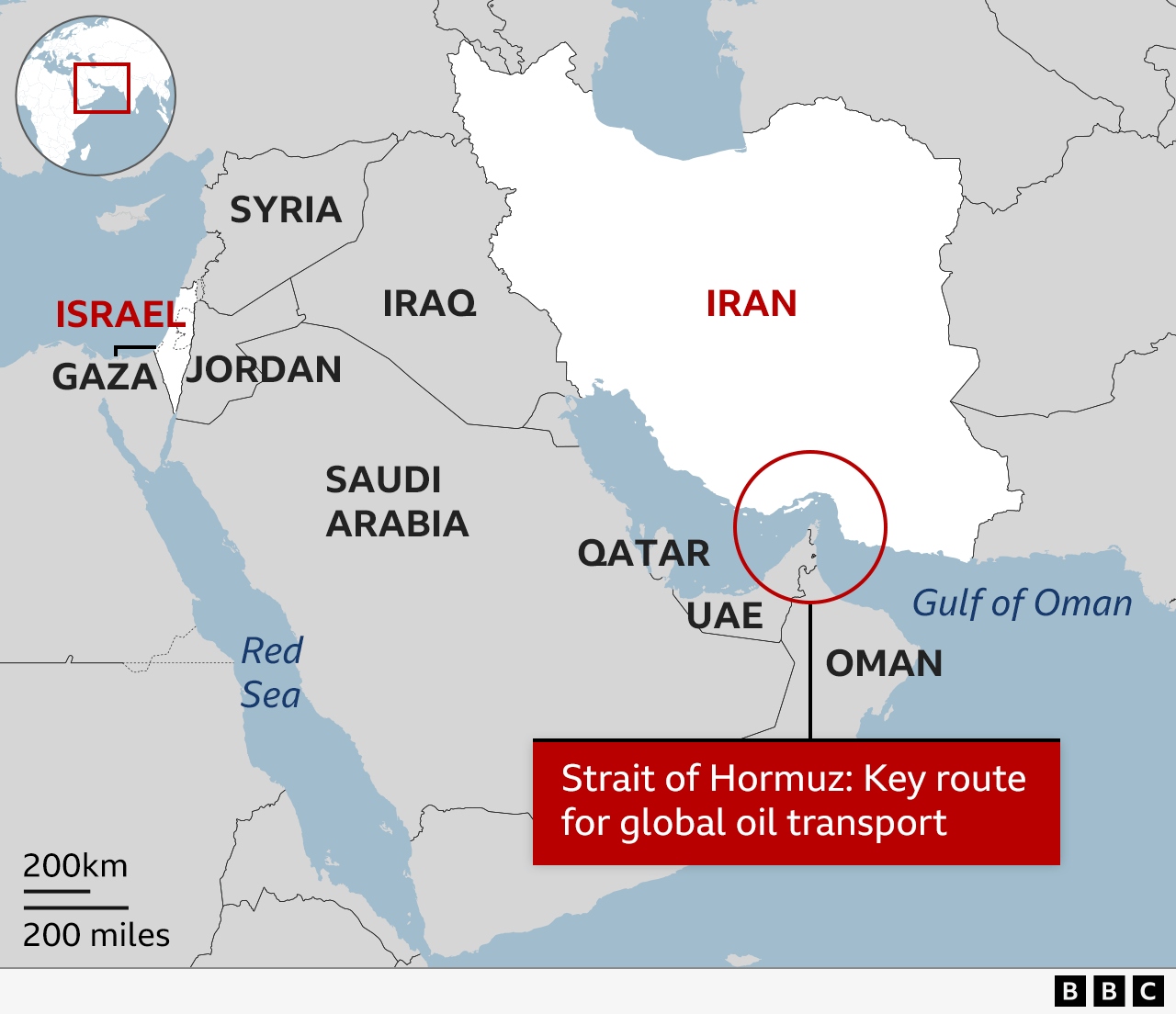
It is a seductive theory, but it is also a dangerous one. If the AI productivity miracle fails to materialize, or if it arrives slower than expected, Warsh’s proposed rate cuts would pour gasoline on an already smoldering inflationary fire, particularly as energy costs spike due to the ongoing conflict in the Middle East.
The Problem of $100 Million
The minority staff on the Banking Committee has already released a report highlighting what they call "expansive wealth and limited disclosures." Warsh is married to cosmetics heiress Jane Lauder and his personal net worth exceeds $100 million. While being rich is not a disqualifier for the Fed, the nature of his wealth is creating a political headache.
Much of his income in recent years has come from his role as an advisor to billionaire investor Stanley Druckenmiller. Critics argue that Warsh’s financial interests are too closely aligned with the very Wall Street titans who profit most from the Fed's "easy money" policies. His ethics agreement includes a promise to divest from secretive funds like the Juggernaut Fund LP, but the lack of transparency regarding what those funds actually hold has given his detractors a powerful weapon.
A Redefinition of Independence
In his prepared remarks, Warsh attempts to thread a needle that may be too small to see. He vows to protect the "operational independence" of the Fed while simultaneously calling for more "coordination" with the Treasury Department.
To the old guard of central banking, "coordination" is a dirty word. It implies that the Fed will print money to help the government pay off its massive debts, a path that historically leads to hyperinflation. Warsh argues that the Fed "must stay in its lane" and stop straying into "fiscal and social policies." This is a direct jab at the Powell-led Fed’s focus on labor market equity and climate-related financial risks.
By narrowing the Fed’s remit to a singular focus on price stability and technical efficiency, Warsh is signaling a retreat from the "activist" central banking of the last decade. He wants a Fed that is quieter, smaller, and—crucially—more aligned with the executive branch's broader economic goals.
The Tillis Wildcard
The math for confirmation remains precarious. Republicans hold a slim majority on the committee, and Senator Thom Tillis has made it clear he won't vote for any Fed nominee until the investigations into Powell are resolved. If all 11 Democrats hold the line and Tillis joins them, the nomination could stall before it even reaches the Senate floor.
This isn't just about Kevin Warsh. It’s about whether the Federal Reserve remains a technocratic island or becomes another agency under the direct influence of the West Wing. The bond market is already twitchy; long-term Treasury yields have been rising even as the Fed attempted to signal cuts. Investors don't like uncertainty, and a failed confirmation or a politicized Fed could send borrowing costs for mortgages and car loans even higher, regardless of what the "official" interest rate says.
The reality is that Kevin Warsh is the most intellectually prepared nominee to ever be viewed as a potential threat to the institution he hopes to lead. He understands the machinery of the Fed better than almost anyone, which is exactly why his critics are so terrified of what he might do with the controls.
Watch the body language in the hearing today. The questions about Epstein files or private equity fees are the noise. The signal is whether Warsh can convince the Senate that his "regime change" won't break the global financial system in order to save it.
Confirming him won't just change the person in the chair. It will end the era of the Fed as we know it.