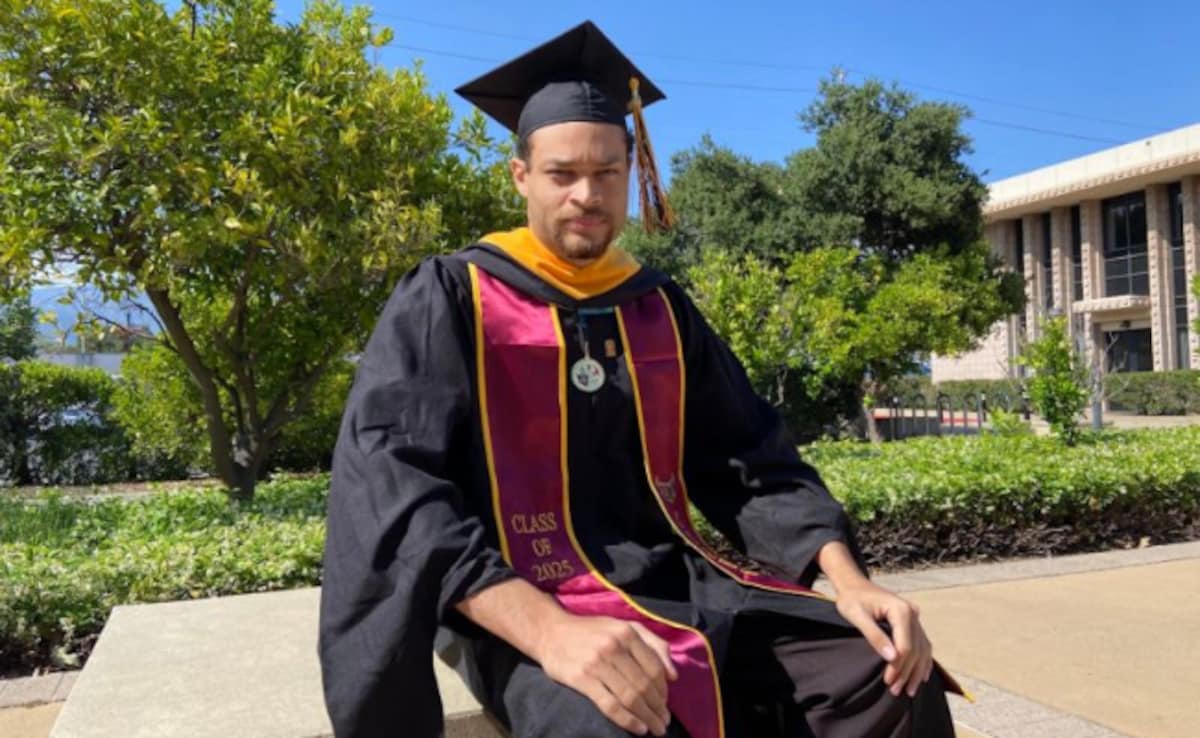
The shells didn't hit a military base or a hidden bunker. They hit a lecture hall. On Monday afternoon, the quiet routine of Sayed Jamaluddin Afghani University in Kunar province was shattered by a barrage of mortars and missiles. When the smoke cleared, seven people were dead and 85 more were left bleeding on the campus grounds. It’s the kind of news that barely makes a dent in global headlines anymore, but for the students in northeastern Afghanistan, it’s a terrifying reminder that their education is being held hostage by a border conflict that just won't quit.
This wasn't an isolated accident. It’s the latest explosion in a volatile "open war" that’s been brewing since early 2024. Despite fancy peace talks in China just weeks ago, the reality on the ground is grim. Kabul is calling these strikes a war crime. Islamabad is calling the reports a blatant lie. Somewhere in the middle, students are digging shrapnel out of their textbooks. Also making headlines lately: The Political Utility of Performative Empathy in High Stakes Crisis Communication.
The University Strike and the War of Words
The specifics of the attack are harrowing. At around 2:00 p.m., while professors were likely mid-lecture, artillery fire rained down on Asadabad, the capital of Kunar. The targets included residential homes and the university. Afghan officials, including deputy spokesman Hamdullah Fitrat, didn't hold back, labeling the incident "barbarity." They report that 30 students and professors are among the wounded.
Islamabad’s response was swift and predictable. Pakistan’s Ministry of Information dismissed the whole thing as "frivolous and fake." Their stance? We don't hit universities. We only carry out "precise and intelligence-based" strikes against militants. Further insights into this topic are detailed by Al Jazeera.
But here’s the thing: you can't have "precise" strikes that accidentally kill seven people in a provincial capital and expect the other side to just shrug it off. The discrepancy between what Kabul sees on the ground and what Islamabad claims in press releases is wider than the Durand Line itself.
What the UN is Seeing
While both governments trade insults, the UN’s Office for the Coordination of Humanitarian Affairs (OCHA) is busy counting the cost. Their latest data shows the humanitarian impact is staggering:
- Over 100,000 people have been displaced across provinces like Khost and Kunar since February 2026.
- In Kunar alone, at least 22 schools have been damaged or destroyed.
- Roughly 12,000 students are now cut off from learning because their classrooms are either rubble or too dangerous to enter.
Why This Fight is Different in 2026
If you think this is just the same old border skirmish we've seen for decades, you're missing the bigger picture. This isn't just about a disputed border line anymore. It’s a full-blown proxy war fueled by deep-seated paranoia.
Pakistan is convinced that the Afghan Taliban is babysitting the Tehreek-e-Taliban Pakistan (TTP). They claim these militants are using Afghan soil as a launchpad for attacks inside Pakistan. The Taliban, naturally, says they have no idea what Pakistan is talking about. This "he said, she said" routine has escalated into "Operation Ghazb Lil Haq," a sustained Pakistani military campaign that has seen airstrikes hitting as far as Kabul.
The sheer scale of the violence is what’s changed. We’re seeing "open war" rhetoric from Islamabad and retaliatory border offensives from the Taliban that have reportedly killed dozens of Pakistani soldiers. It’s a vicious cycle where every missile fired into a Kunar village is met with a Taliban rocket aimed at a Pakistani border post.
The Failed China Mediation
Just when everyone thought the Urumqi talks in China might actually lead somewhere, this strike happened. Foreign Minister Amir Khan Muttaqi was calling the negotiations "positive" just days before the mortars fell. The fact that violence resumed so quickly suggests that neither side's military leaders are actually listening to their diplomats. When a university becomes a target, it's a sign that "precision" has been traded for pure intimidation.
Education Under Fire
The attack on Sayed Jamaluddin Afghani University isn't just a physical strike; it’s a psychological one. Afghanistan is already struggling to keep its education system afloat under the Taliban's restrictive policies, especially for women. Now, even the men and professors who are allowed to be there have to worry about a missile coming through the roof.
I’ve seen how these conflicts play out. When you turn a campus into a battlefield, you don't just kill people; you kill the motivation to learn. If you're a parent in Asadabad, are you really going to send your kid to school tomorrow? Probably not. That’s how you end up with a "lost generation" in real-time.
The Broken Ceasefire Pattern
We've seen this movie before. There’s a flare-up, some civilians die, Turkey or Qatar steps in to mediate, a 48-hour ceasefire is announced, and everyone takes a breath. Then, a week later, someone fires a single shot, and the whole thing starts over. The ceasefire for Eid al-Fitr in March was supposed to be a turning point. Instead, it was just a pit stop.
What Happens if the Shelling Doesn't Stop
If the international community continues to offer nothing but "deep concern," this border is going to stay a graveyard. Pakistan’s strategy of "coercion" isn't working—it's only making the Taliban more defiant. On the flip side, the Taliban's refusal to acknowledge the TTP's presence is giving Pakistan a permanent excuse to keep the artillery warm.
If you’re looking for a way out, it’s not going to be found in more "intelligence-based" strikes. The immediate priority has to be a verified exclusion zone for civilian infrastructure. Universities, hospitals, and schools shouldn't even be in the same zip code as a military target.
You can help by keeping the pressure on international aid organizations to prioritize education and displacement support in these border provinces. Don't let the "official denials" drown out the reality of the 85 people currently sitting in an Asadabad hospital. The next time you hear a report about a "border clash," remember it’s not just soldiers—it’s students.