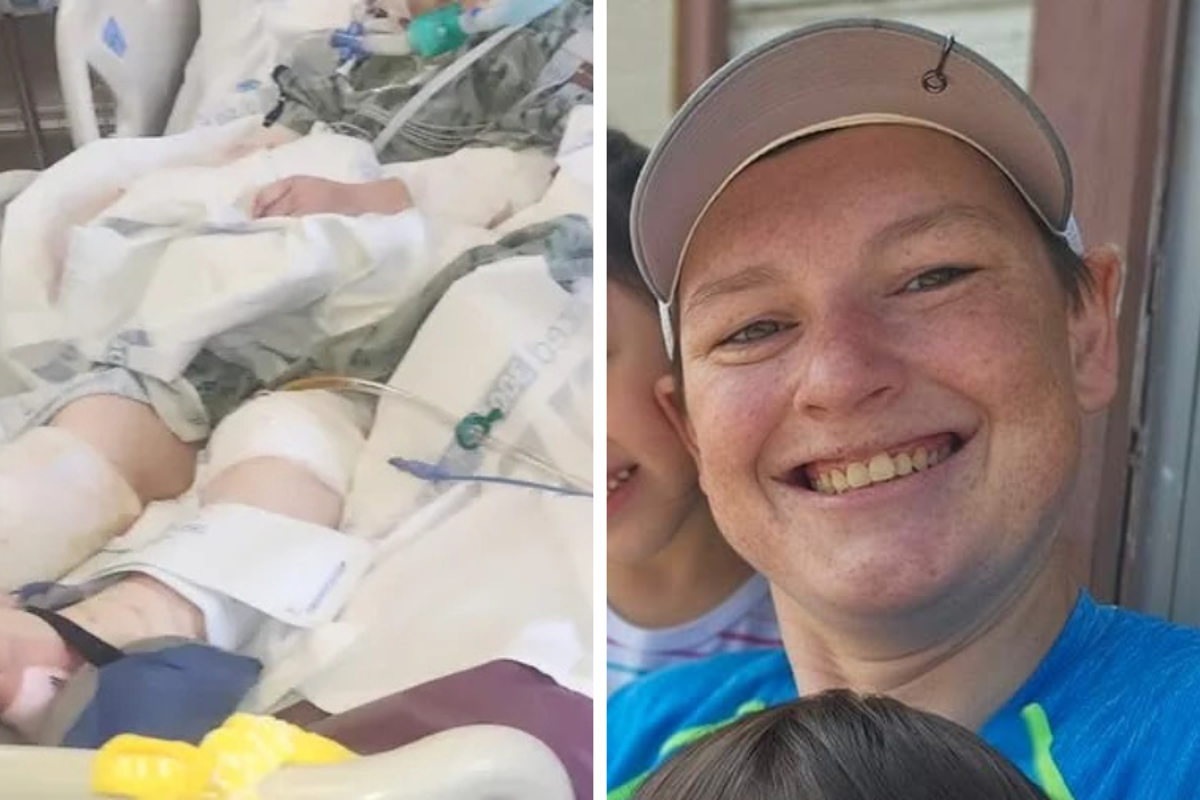
Survival in the immediate aftermath of a predatory mammalian attack is not a function of luck, but a result of the victim’s physiological resilience against high-velocity kinetic energy transfer and the rapid deployment of advanced trauma surgical protocols. When an adult human is targeted by an unidentified large animal, the medical objective shifts from simple wound closure to a complex management of poly-trauma, septic risk, and reconstructive viability. This analysis deconstructs the incident involving a 38-year-old female victim through the lenses of wound morphology, zoonotic risk vectors, and the multi-stage surgical recovery cycle.
Wound Morphology and Kinetic Force Distribution
The severity of injuries sustained in animal attacks is determined by the mechanical properties of the predator’s mandible and the resulting force applied to human soft tissue and bone. Unlike clean lacerations produced by sharp implements, animal-inflicted trauma involves a combination of crushing, tearing, and avulsion.
Pressure and Crushing Mechanics
Large mammalian predators, ranging from canids to big cats, exert bite forces that often exceed 300 to 1,200 pounds per square inch (PSI). This pressure causes immediate subcutaneous hemorrhaging and can lead to comminuted fractures—where the bone breaks into several fragments. The initial "grip" phase of the attack is defined by this compressive force, which compromises the integrity of deep tissue layers even if the skin is not immediately breached.
Shear Stress and Avulsion
The secondary phase involves the "shake" or "drag" mechanism. Predators utilize their neck musculature to create lateral shear stress. For a human victim, this results in degloving—a traumatic injury where the skin and underlying fascia are torn away from the muscle and bone, severing the blood supply to the surface tissue. In the case of the 38-year-old victim, the requirement for "multiple surgeries" suggests significant tissue loss where primary closure (stitching the edges together) was physically impossible.
The Microbiological Crisis: Pathogen Transmission Protocols
The primary cause of secondary mortality or limb loss in mauling incidents is not the initial blood loss, but the introduction of polymicrobial flora into deep-seated tissues. An animal's mouth functions as a reservoir for a diverse array of aerobic and anaerobic bacteria.
- Pasteurella Multocida: Frequently found in canid and feline saliva, this pathogen can cause rapidly progressing cellulitis within hours of the incident.
- Capnocytophaga Canimorsus: A high-risk bacterium that, while rare, can trigger fulminant sepsis and multi-organ failure in humans.
- Anaerobic Deep-Tissue Contaminants: When a tooth penetrates deep into muscle, it creates a puncture wound that seals at the surface, providing an oxygen-poor environment ideal for the growth of Clostridium species (the agents of gas gangrene).
The surgical strategy for such injuries necessitates aggressive debridement—the removal of dead, damaged, or infected tissue. This process is rarely a singular event. Surgeons must perform serial debridements over several days to ensure that the "zone of injury" (tissue that appears healthy initially but later dies due to microvascular damage) is fully cleared.
The Reconstruction Hierarchy: A Three-Pillar Framework
Once the infectious risk is stabilized, the focus shifts to the restoration of form and function. This is managed through a specific hierarchy of reconstructive complexity.
Pillar 1: Revascularization and Microvascular Integrity
The first priority is ensuring that the remaining tissue has adequate blood flow. If major arteries were damaged during the mauling, vascular grafts are required. Without establishing a robust circulatory foundation, any subsequent skin grafts or muscle flaps will inevitably fail.
Pillar 2: Soft Tissue Coverage and Autologous Flaps
When large areas of skin and fat are lost (avulsed), the body cannot heal by secondary intention (scarring over). Surgeons must employ "flaps"—sections of tissue moved from one part of the body to another. Unlike a simple skin graft, a flap includes its own blood supply. This is often necessary in facial or limb reconstruction to provide enough "padding" to protect underlying nerves and bone.
Pillar 3: Neurological and Functional Rehabilitation
The final stage involves the repair of peripheral nerves. Animal teeth often sever nerves or crush them beyond the point of immediate recovery. Surgeons may use nerve conduits or grafts to bridge these gaps, but the rate of nerve regeneration is approximately one millimeter per day. This explains the prolonged recovery timelines associated with severe maulings.
Forensic Identification through Trauma Analysis
The "unknown" nature of the animal in this incident presents a forensic challenge that can be solved by examining the inter-canine distance and the specific pattern of the puncture wounds.
- Canid Patterns: Typically characterized by "hole-and-tear" injuries. Dogs bite down and then pull, leading to long, linear lacerations extending from a deep puncture.
- Feline Patterns: Often involve more precise punctures to the neck or skull, reflecting a predatory instinct to sever the spinal cord or crush the windpipe.
- Ursid (Bear) Patterns: Involve massive blunt force trauma combined with shearing. The claws of a bear add a secondary dimension of injury—linear, parallel lacerations that differ significantly from dental patterns.
Measuring the distance between the primary puncture marks allows forensic odontologists to narrow the species and even the approximate weight of the attacker. This data is critical not only for public safety but for the medical team to anticipate specific zoonotic threats associated with certain species.
The Psychological Burden of Post-Traumatic Reconstruction
The physical healing of a 38-year-old victim is only half of the clinical picture. The "survivor’s paradox" in animal attacks involves the sudden transition from a mundane environment to a life-threatening struggle, which often results in severe Post-Traumatic Stress Disorder (PTSD).
The biological response to such extreme stress involves a massive surge in cortisol and adrenaline, which can actually impede early-stage wound healing by constricting peripheral blood vessels. Furthermore, the aesthetic impact of "multiple surgeries" on a person in their late 30s—a period of life often associated with high social and professional activity—requires an integrated approach involving psychiatric intervention alongside plastic surgery.
Strategic Response to Acute Predatory Trauma
To maximize the probability of a positive outcome in the event of a large animal encounter and subsequent injury, a tiered response system must be followed.
- Immediate Hemorrhage Control: Use of tourniquets for limb injuries or direct, sustained pressure for torso/neck wounds. In animal attacks, arterial nicks are common and can lead to exsanguination within minutes.
- Early-Onset Antibiotic Prophylaxis: Administration of broad-spectrum antibiotics within the "golden hour" to preempt the colonization of deep tissue by oral flora.
- Staged Surgical Debridement: Acceptance that the first surgery is rarely the last. Success is defined by the meticulous removal of necrotic tissue over 48 to 72 hours.
- Species-Specific Immunization: Immediate administration of Rabies Post-Exposure Prophylaxis (PEP) and Tetanus toxoid, regardless of the animal's perceived health, unless the animal can be proven to be vaccinated.
The path to recovery for a victim of a savage mauling is not a straight line but a series of calculated medical escalations. Success is measured in the preservation of the limb, the suppression of sepsis, and the eventual restoration of the patient’s identity through reconstructive mastery.
.png?width=1200&auto=webp&trim=0%2C133%2C0%2C67)