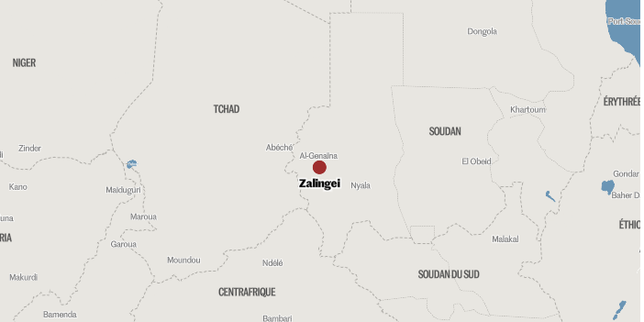
The targeted drone strike by the Sudanese Armed Forces (SAF) on a displacement camp in Darfur, resulting in six deaths and dozens of injuries, is not an isolated tactical event but a manifestation of a shift in the kinetic calculus of the Sudanese civil war. This incident represents the intersection of affordable precision technology and the total degradation of "safe zone" designations. When sovereign air power utilizes unmanned aerial vehicles (UAVs) against domestic displacement sites, it signals a transition from conventional territorial defense to a strategy of institutionalized attrition against populations perceived as logistical shells for opposition forces.
The Technical Logic of UAV Proliferation in Sudan
The transition from piloted airframes to loitering munitions and tactical drones has fundamentally altered the SAF’s risk-reward ratio. Conventional airstrikes involving Su-24 or MiG-29 jets carry high operational costs, pilot risk, and significant international visibility. In contrast, the deployment of mid-tier drones provides three specific operational advantages that incentivize their use in civilian-dense environments.
- Loitering Capability and Target Identification Persistence: Unlike fixed-wing aircraft that must execute rapid sorties, UAVs can remain over a target area for hours. This creates a psychological "surveillance-strike" loop where the distinction between active combatants and displaced civilians becomes blurred by the proximity of insurgent supply lines to humanitarian hubs.
- Cost-to-Impact Ratio: The financial burden of maintaining a traditional air force is unsustainable for a state in economic collapse. Drones provide a "budget-friendly" alternative to artillery, allowing the military to project power into remote regions like Darfur without establishing vulnerable ground supply lines.
- The Deniability of "Technical Error": Small-scale drone strikes allow for a narrative of precision that masks the reality of indiscriminate outcome. The SAF can claim a "surgical strike" against Rapid Support Forces (RSF) elements, even when the blast radius is centered on a civilian camp.
The Collapse of Humanitarian Sanctuaries
The strike on a Darfur camp highlights the failure of the "Neutral Zone" framework. In classic counter-insurgency theory, displacement camps act as neutral buffers. However, in the current Sudanese conflict, these sites have been re-categorized by the SAF as "insurgent depth." The logic follows a specific progression:
Displaced populations from RSF-controlled areas are often viewed by the SAF not as victims, but as the social and recruitment base for the opposition. By targeting these camps, the military seeks to break the internal cohesion of the groups supporting the RSF. This transforms the humanitarian site from a refuge into a liability. The tactical objective is not necessarily the six lives lost, but the displacement of the displaced—forcing a secondary migration that disrupts RSF logistics and territorial claims.
Structural Drivers of Escalation
The use of drones in Darfur must be viewed through the lens of two primary structural bottlenecks:
The Intelligence Gap
The SAF suffers from a chronic lack of high-fidelity ground intelligence in Darfur. When a military lacks human intelligence (HUMINT), it over-relies on signals intelligence (SIGINT) and visual thermal imaging from drones. A cluster of tents with heat signatures—often just cooking fires or high-density housing—can be misinterpreted as a military encampment by operators under pressure to deliver results. This "technological bias" leads to high-fatality errors where the weapon functions perfectly, but the targeting logic is flawed.
The Absence of Multilateral Constraints
Historically, the use of air power against civilians triggered immediate diplomatic or economic sanctions. However, the current global geopolitical environment is fragmented. The supply chains for drone components are decentralized, moving through various regional middleman states that prioritize bilateral trade over human rights compliance. This removes the "diplomatic ceiling" that previously limited the SAF's kinetic options.
The Logistics of the Darfur Strike
Analysis of the strike patterns in Darfur suggests a specific sequence of escalation. The SAF typically employs drones for "Area Denial." By hitting a camp, they send a clear signal to the RSF that no geographic coordinate is beyond the reach of the state’s remaining air assets. This is a desperate attempt to compensate for the SAF's consistent losses in ground-based territorial control.
The victims—predominously women and children—are the collateral of a "scorched earth" digital strategy. In this model, the goal is to make the cost of remaining in RSF-held or contested territory higher than the cost of fleeing to SAF-controlled urban centers or across international borders.
Strategic Implications for Regional Stability
The normalization of drone strikes on displacement camps creates a permanent state of insecurity that prevents the restoration of agricultural cycles and trade. Darfur is currently facing a catastrophic food security crisis; by targeting the few remaining concentrated population centers, the SAF is effectively weaponizing famine as a secondary theater of war.
The displacement of thousands of survivors from the hit camp into the surrounding desert increases the burden on international aid agencies, which are already operating at a fraction of required capacity. This creates a feedback loop:
- Strike occurs.
- Population disperses.
- Aid delivery becomes impossible due to geographic fragmentation.
- Social order collapses, driving further recruitment into militias.
The immediate strategic priority for international observers must move beyond simple condemnation toward the disruption of the UAV supply chain and the implementation of no-fly zones for unmanned systems. Without a mechanism to increase the cost of drone operations—either through electronic warfare countermeasures provided to neutral zones or strict component sanctions—the SAF will continue to use low-cost aerial assets to bypass traditional rules of engagement. The Darfur camp strike is not a localized tragedy; it is the beta test for a new era of unmonitored, automated attrition.